


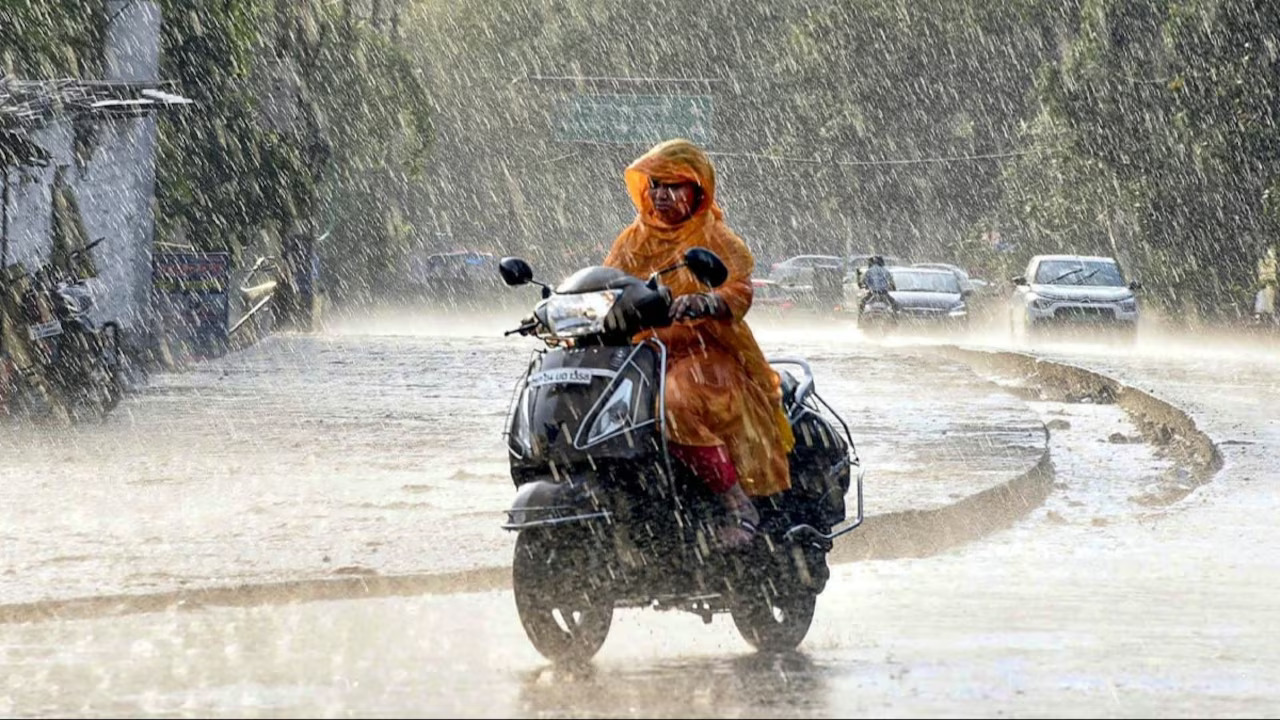
Pune city witnessed a significant shortfall in July rainfall this year, receiving only 130 mm, starkly lower than the monthly average of 194.1 mm and barely a third of the 396 mm it recorded during the same period last year. According to data released by the India Meteorological Department (IMD), this drop highlights a worrying trend in regional climate patterns, raising questions over water reserves, agriculture, and urban planning.
Across the wider Pune district, rainfall reached 290 mm against a normal of 310 mm. While this marks only a marginal shortfall for the district overall, the city’s deficit is notably sharper. The trend has emerged despite Maharashtra as a whole maintaining near-normal rainfall levels for July. The state recorded 327.9 mm of precipitation compared to its long-term average of 324.4 mm. This divergence points to highly localised rainfall distributions, a phenomenon increasingly common due to shifting climate systems. While western Maharashtra experienced dry spells for much of the month, a notable recovery occurred in the final fortnight of July, offering partial relief. However, experts warn that the long dry stretches could still leave a lasting impact, especially on mid-season crops and groundwater recharge.
According to IMD officials, districts such as Thane, Solapur, Dhule, Nandurbar, Jalgaon, Satara, Akola and Washim registered a pronounced deficit. In contrast, regions in eastern Vidarbha, including Nagpur, Bhandara, Chandrapur and Gadchiroli, saw above-average rainfall. Parbhani in Marathwada was the only district to post a rainfall surplus in July, underscoring the fragmented distribution of the monsoon. As climate uncertainties grow, this skewed rainfall pattern is a matter of concern for urban planners and agricultural authorities alike. IMD has forecast normal rainfall for August—estimated to range between 94% and 106% of the long-period average across most parts of the country. Still, the rainfall variability in July has added a layer of unpredictability to the season.
Officials also confirmed that Pune’s rainfall is likely to dip in the coming days, with only sporadic showers expected from the first weekend of August. IMD also cautioned of isolated thunderstorms and lightning in parts of Vidarbha, reinforcing the need for heightened preparedness in vulnerable regions. Though the overall national monsoon performance has held steady—India recorded 474.3 mm by July 31, compared to the normal 445.8 mm—the regional disparities pose challenges to water management, farming outcomes, and climate resilience planning. With increasing monsoon volatility, experts urge a renewed focus on micro-level weather modelling, sustainable infrastructure, and long-term water security strategies.
Also Read : NHAI Repairs 16 Of 22 Dangerous Road Stretches In Pune
