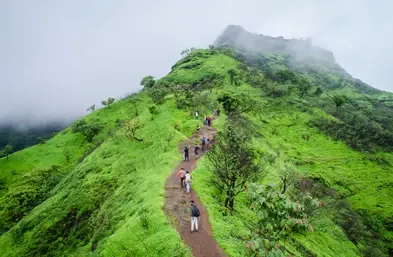
Pune’s growing reputation as a hub for outdoor recreation has taken a quiet but significant step forward with the mapping of two new traditional rock-climbing routes in the Sahyadris near Kamshet. Opened in late December on the Gajmukh rock formation close to the Telni waterfall in Maval taluka, the routes improve access to nature-based recreation while reinforcing a low-impact approach to using fragile hill ecosystems.
Located near a temple precinct and within easy reach of a motorable road, the east-facing rock wall offers a rare combination of accessibility and technical challenge. For climbers, the new routes provide structured, documented options on a rock face that had long been visible but unexplored. For the region, they add to a growing portfolio of outdoor assets that support adventure tourism without large-scale construction or permanent alteration of the landscape. The two routes, each rising roughly 40 to 45 metres, were climbed using traditional methods that rely primarily on removable safety equipment placed into natural cracks in the rock. This approach minimises permanent fixtures and reduces long-term environmental impact an increasingly important consideration as footfall in the Sahyadris rises. Limited fixed anchors were installed only at designated stations to ensure safety and long-term usability.
Urban planners and environmental researchers note that such projects highlight how recreation infrastructure can develop outside city limits while remaining aligned with sustainability goals. As Pune expands, nearby natural zones like Maval are under pressure from tourism, second homes, and road traffic. Structured adventure activities, when responsibly managed, can help balance economic opportunity with conservation by encouraging regulated access rather than unchecked exploration. The effort behind the new routes was collaborative. A small team handled route development and documentation, while others supported logistics such as equipment transport, food preparation, and water supply over multiple days.
This model reflects how grassroots outdoor initiatives often depend on informal networks rather than commercial operators, keeping costs low and barriers to entry manageable for younger climbers and students. From a regional development perspective, the routes strengthen Kamshet’s identity beyond paragliding, for which it is already well known. Diversifying adventure offerings can extend visitor stays, support local livelihoods, and reduce seasonal dependency. Small homestays, transport providers, and food services are often the indirect beneficiaries of such low-volume, high-skill activities. The climbers involved have also been systematically documenting routes across forts, quarries, and hill faces around Pune over recent years.
Making route information publicly available allows wider participation, encourages training closer to home, and reduces the need for long-distance travel lowering the carbon footprint associated with the sport. As Pune continues to negotiate its relationship with surrounding natural landscapes, initiatives like these suggest a path where access, safety, and environmental restraint coexist. The next challenge will be ensuring that growing interest is matched by stewardship, clear guidelines, and coordination with local communities so that adventure infrastructure strengthens, rather than strains, the Sahyadris.
Pune Sahyadris Gain New Adventure Climbing Routes