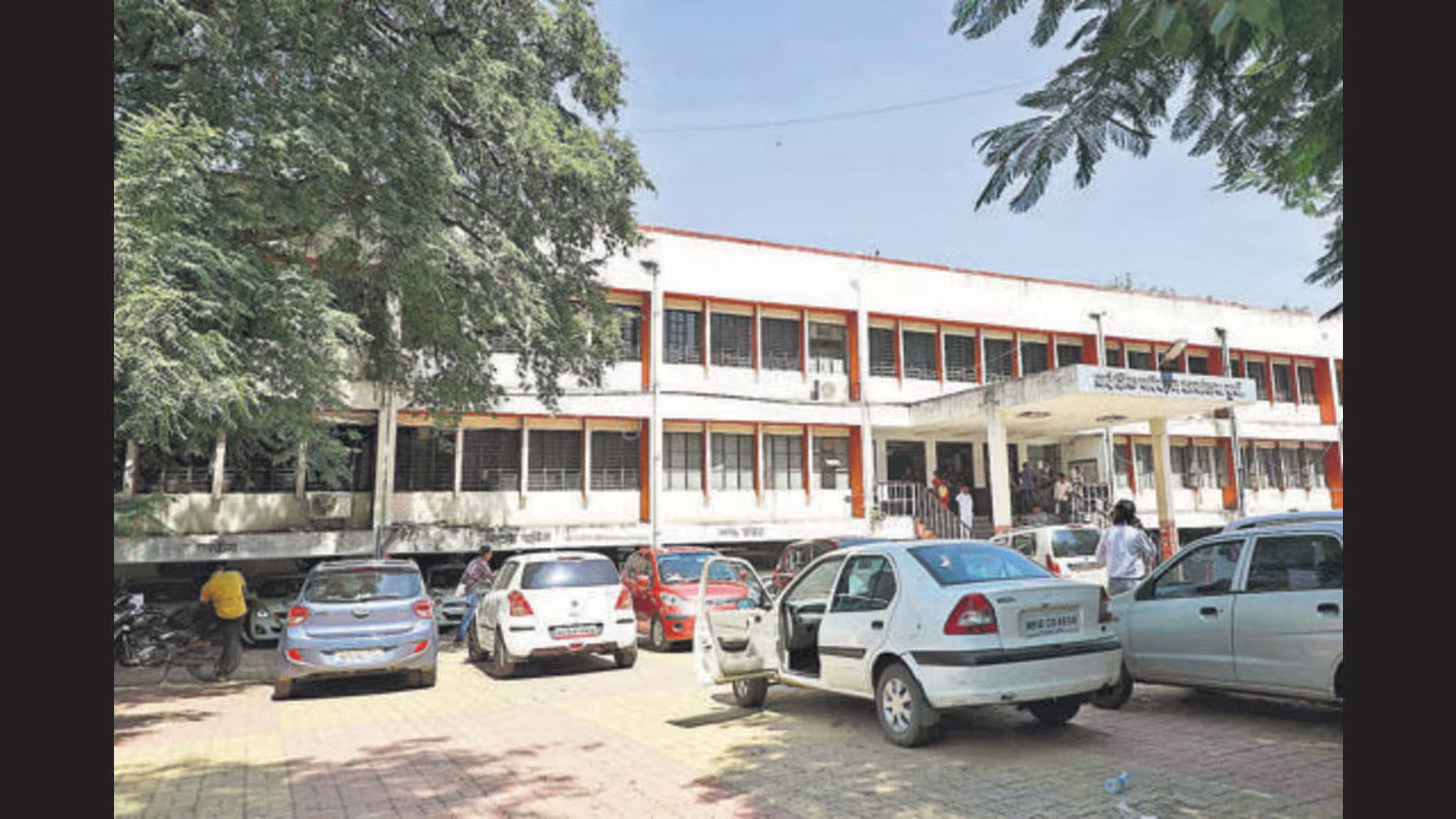
The transport authority in Pune has reported a significant rise in Pune RTO revenue collection, surpassing its annual financial target for 2025–26. The performance highlights a combination of increased vehicle registrations, stronger regulatory enforcement, and improved compliance, reflecting the city’s expanding mobility ecosystem and growing economic activity.
According to official data, the Pune RTO revenue collection crossed ₹1,900 crore during the financial year, exceeding projections driven largely by motor vehicle taxes, registration fees, and associated services. The uptick aligns with a broader trend of rising vehicle ownership in Pune, one of India’s fastest-growing urban centres with sustained demand across residential, commercial, and industrial sectors. A substantial portion of the revenue growth is linked to intensified enforcement measures. Transport authorities carried out extensive inspections across the city, targeting violations such as overloading, expired permits, and non-compliance with safety norms. These efforts translated into significant penalty recoveries, underlining a shift towards stricter monitoring of road usage and regulatory adherence.
Urban mobility experts note that such enforcement-led revenue gains often signal both improved governance and underlying stress on transport infrastructure. As vehicle density increases, cities face mounting challenges around congestion, emissions, and road safety. In this context, enforcement serves as both a deterrent and a corrective mechanism, though long-term solutions require systemic investments in public transport and non-motorised mobility. Beyond enforcement, the transport office also expanded its service delivery capacity. A large number of driving licences and international permits were issued during the year, alongside a steady stream of new vehicle registrations. The scale of these transactions points to both population growth and rising disposable incomes, which continue to drive private vehicle adoption in Pune.
Additional revenue streams, including fees from vehicle fitness certifications, ownership transfers, and premium registration numbers, contributed to the overall financial performance. These segments, while smaller in proportion, reflect evolving consumer preferences and the monetisation of administrative services within the transport ecosystem. Officials indicate that digitalisation has played a role in improving operational efficiency, with online platforms reducing processing times and enhancing accessibility for citizens. This transition towards digital governance is increasingly critical in high-growth cities, where administrative systems must scale alongside demand without compromising service quality.
From a sustainability perspective, however, the surge in vehicle registrations raises concerns about long-term urban resilience. Experts emphasise the need to balance revenue growth with investments in cleaner mobility solutions, including electric vehicles, mass transit expansion, and integrated transport planning. The strong Pune RTO revenue collection performance underscores the city’s economic momentum but also highlights the pressures accompanying rapid urbanisation. As Pune continues to expand, the focus will need to shift towards aligning transport policy with environmental goals and equitable access, ensuring that growth does not come at the cost of livability.
Pune RTO Revenue Collection Reflects Rising Vehicle Demand