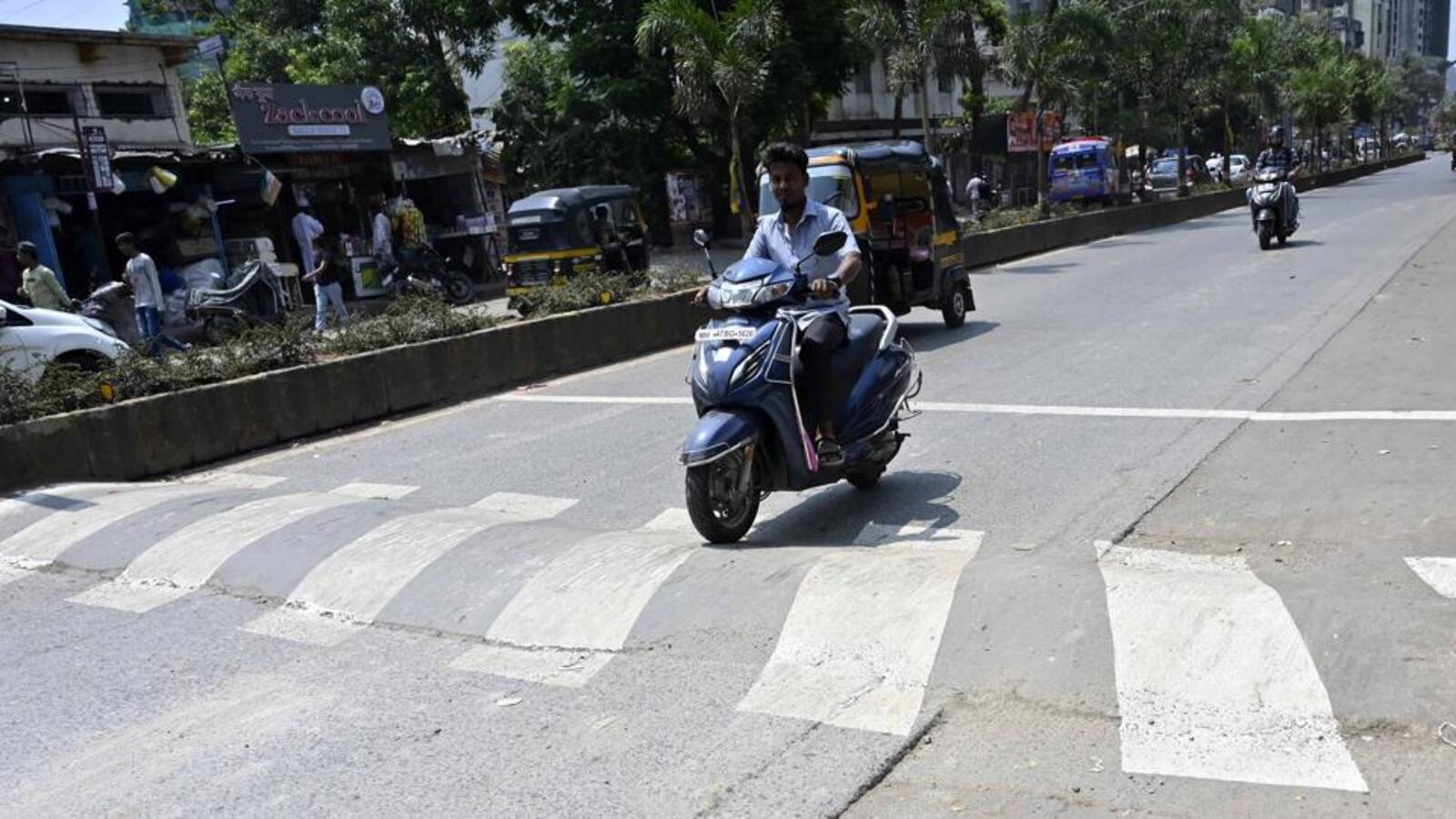
Pune Municipal Corporation (PMC) has announced the reinstatement of speed breakers across key city routes following the conclusion of a major professional cycling event. The decision comes after nearly 200 traffic-calming measures were temporarily removed to facilitate uninterrupted movement of cyclists travelling at speeds of 60–70 kmph, highlighting the tension between urban mobility events and everyday road safety.
Over the past four months, PMC undertook comprehensive upgrades along the 75-kilometre race corridor, encompassing resurfacing, re-carpeting, and drainage realignment to meet Indian Roads Congress standards. These interventions, implemented via a ₹145 crore contract, not only enabled international-standard cycling conditions but also temporarily improved commuter experiences along heavily trafficked stretches. Key arteries affected included Bajirao Road, Tilak Road, Karve Road, Paud Road, JM Road, and Laxmi Road, along with high-density neighbourhoods such as Baner, Balewadi, Aundh, and the city’s historic peths. With the event completed, reports of accelerating traffic at previously controlled points have prompted PMC to reinstate speed breakers at hospitals, schools, government offices, and other accident-prone junctions. Special attention will be paid to newly designed pedestrian-friendly speed breakers intended to aid senior citizens and visually impaired residents, reflecting the city’s focus on inclusive and accessible urban mobility.
Urban planners and traffic safety experts note that temporary removal of such infrastructure, while facilitating high-profile events, can create post-event hazards if reinstatement is delayed. “Cities hosting major mobility or sports events need a clear post-event safety protocol,” said a senior urban development official. “Proper gradient, standardised height, and visibility markings are essential for mitigating risks, particularly for two-wheeler riders and elderly pedestrians.” The reinstatement plan also underscores a broader challenge in Pune’s rapid urbanisation: balancing infrastructure upgrades with the day-to-day safety and mobility needs of residents. Experts highlight that integrating resilient road designs and traffic-calming measures into long-term urban planning can reduce reliance on temporary solutions, ensuring safer, more predictable city streets even during large-scale events.
For residents, the reinstallation represents both a restoration of daily safety norms and an opportunity to assess how temporary mobility interventions interact with ongoing city life. PMC’s approach, if implemented with careful adherence to safety standards, could serve as a case study for other Indian cities hosting international sporting or mobility-focused events. As Pune moves forward, consistent monitoring of traffic behaviour and adherence to inclusive road safety norms will be critical to ensure that infrastructure investments deliver lasting benefits, supporting the city’s goal of equitable, climate-resilient urban development.