


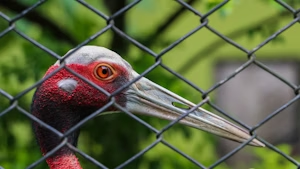
Pune rising temperatures cause dehydration in wildlife
Pune’s unseasonal rise in temperatures has had a severe impact on its wildlife, with 177 cases of dehydration reported among birds and mammals in January alone. The Transit Treatment Centre (TTC) in Bavdhan, run in partnership with the Maharashtra Forest Department and RESQ Charitable Trust, witnessed an alarming rise in admissions of distressed animals, largely attributed to the temperature surge. According to meteorological data, Pune’s January average temperature climbed to 31.3°C, 1.5°C above the usual 29.8°C. The city even recorded a peak of 35.9°C—an unusual high for this time of the year. Experts point to a weaker northern wind system and anticyclonic circulation as the primary drivers of this temperature anomaly, creating hotter and drier conditions than expected.
Neha Panchamia, Founder and President of RESQ Charitable Trust, noted that birds were particularly vulnerable, with dehydration cases rising sharply alongside the growing threat of nylon manja. “January was an especially difficult month, as birds faced dual challenges—dehydration due to abnormal heat and a sharp increase in injuries caused by manja,” she said. Among the 177 animals admitted to the TTC, 158 were birds, while 19 were mammals suffering from dehydration-related ailments. The trend reflects a growing crisis for urban wildlife, which is struggling to adapt to extreme climatic variations exacerbated by rapid urbanisation.
Soaring temperatures, urbanisation, and wildlife distress
The direct impact of erratic weather patterns on Pune’s wildlife underscores broader concerns about climate change and urbanisation. As natural habitats shrink due to expanding city infrastructure, animals are left with fewer shaded areas and limited access to water sources, intensifying their vulnerability to rising temperatures. Historically, Pune’s January climate has remained within moderate limits, but the recent spike raises concerns about long-term weather fluctuations affecting the region’s ecosystem.
Meteorologists warn that the unusual warmth experienced this year could be a precursor to further temperature anomalies. Senior IMD scientist S.D. Sanap confirmed that northern wind patterns, which typically bring cooler air, were considerably weaker this year, leading to prolonged heat retention. Such climatic shifts, combined with extensive deforestation and urban expansion, are putting tremendous pressure on local wildlife. Cities like Bengaluru and Hyderabad have reported similar spikes in wildlife distress during unusually hot spells, demonstrating that this is not an isolated occurrence but part of a broader environmental challenge.
Sustainability concerns: Climate change and wildlife adaptation
Pune’s wildlife crisis is yet another indication of the increasing urgency of sustainability-driven urban planning. With rising global temperatures, conservation efforts must focus on creating green corridors, ensuring adequate water sources in urban habitats, and enforcing policies that limit environmental degradation. The ongoing loss of green cover in Pune is a major factor exacerbating wildlife distress. Compared to the 1990s, Pune’s green areas have reduced drastically due to rapid infrastructure development, and this loss is directly linked to the rising heat island effect in the city.
A potential solution could involve reviving lost water bodies, constructing artificial ponds in urban parks, and enhancing afforestation projects. Wildlife-friendly urban planning, as seen in Singapore, where green roofs and vertical gardens help mitigate temperature surges, could serve as an inspiration for Indian cities like Pune. Experts emphasise the need for a collaborative effort between civic authorities and environmental organisations to integrate sustainability measures into urban development policies.
The growing threat of manja and the call for stricter enforcement
Beyond the temperature crisis, Pune’s wildlife also faced a surge in nylon manja-related injuries, with cases doubling in January compared to last year. According to RESQ Charitable Trust data, 355 birds were admitted for manja injuries this year, a stark contrast to 177 cases recorded in January 2024 and only 66 in January 2023. Despite a government ban, the use of hazardous synthetic manja continues unabated, posing serious risks not just to wildlife but also to human lives.
Wildlife conservationists are calling for stricter implementation of existing laws to prevent the sale and use of banned manja. The sharp rise in injuries highlights the need for intensified monitoring and punitive action against those violating the ban. Alongside legal measures, awareness campaigns educating kite enthusiasts about the dangers of synthetic manja could play a crucial role in reducing its usage. Without urgent intervention, the combined threats of climate change and unchecked human activities will continue to endanger Pune’s urban wildlife, demanding immediate and sustained action from both policymakers and residents.
