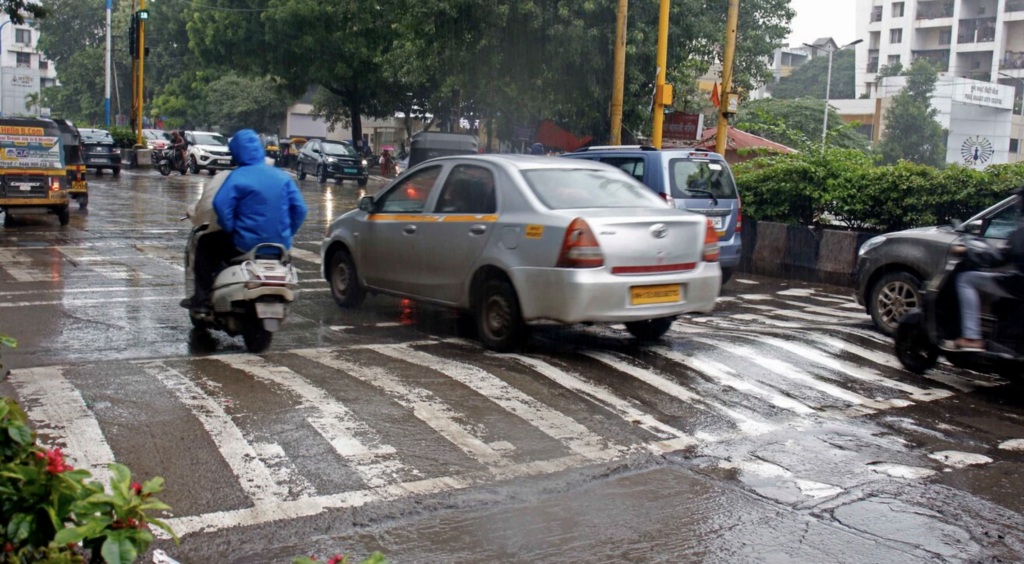
Pune’s road network is entering another phase of recalibration as the city prepares to restore traffic calming measures on stretches that were recently upgraded for an international cycling event. The Pune Municipal Corporation (PMC) has confirmed that speed breakers will be reintroduced across nearly 75 kilometres of urban roads, marking a shift from event-led mobility planning back to everyday safety priorities. The decision affects several arterial and connector roads that were resurfaced, levelled and cleared of obstructions ahead of the global cycling tour earlier this year. During the event, the temporary removal of speed breakers significantly improved vehicle movement and travel times, drawing widespread public attention to the condition of Pune’s streets and their impact on daily commuting.
City officials say the reinstallation is being driven by post-event traffic assessments and accident data flagged by local enforcement agencies. With average vehicular speeds rising on smoother corridors, concerns have emerged around pedestrian safety, mixed traffic behaviour and junction-level conflicts persistent challenges in a city where two-wheelers, public transport, cars and pedestrians share limited road space. Urban mobility experts note that Pune’s debate around speed regulation reflects a deeper governance gap. The city has struggled to maintain consistency between road engineering practices and enforcement-led safety demands. In recent years, hundreds of speed breakers were removed or modified after audits found many did not meet prescribed design standards, often worsening congestion without delivering measurable safety benefits.
This renewed phase of installations, according to civic officials, will follow Indian Road Congress specifications, using standardised dimensions, reflective materials and advance warning signage. The intent, they say, is to avoid the unscientific road humps that have historically slowed emergency vehicles, increased fuel consumption and contributed to stop-start traffic patterns. The move also lands against the backdrop of Pune’s global congestion ranking, which placed the city among the most traffic-clogged urban centres worldwide. In response, authorities have been focusing on a limited set of high-load corridors that carry the bulk of daily traffic. Urban planners argue that repeatedly altering road design without an integrated mobility strategy risks undermining long-term investments in sustainable transport.
For residents, the issue is not simply about speed breakers but about predictability and trust in urban infrastructure. Roads upgraded to international standards raised expectations around smoother commutes, lower vehicle emissions and safer cycling conditions. The return of physical barriers, if not carefully planned, could dilute those gains. As Indian cities push toward climate-resilient and people-first street design, Pune’s experience underscores the need for clearer speed management policies that balance safety, efficiency and environmental outcomes. The coming months will test whether the city can move beyond reactive fixes and align road design with a broader vision for safer, lower-carbon urban mobility.