


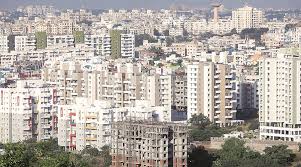
Pune’s residential real estate market is facing renewed scrutiny after a sharp and sudden escalation in apartment prices highlighted growing affordability stress for urban homebuyers. The episode, widely discussed across professional and social circles, has reignited concerns about pricing transparency, speculative behaviour and the widening gap between household incomes and housing costs in one of India’s most employment-driven cities.
The incident centres on a mid-to-premium residential project in Pune where the quoted price of a three-bedroom apartment rose by nearly Rs 20 lakh within weeks. While price appreciation is not unusual in active housing markets, the speed and scale of the revision without any corresponding change in project specifications or delivery timelines has unsettled prospective buyers, particularly salaried professionals navigating job uncertainty in the technology sector. Urban housing analysts say such episodes are symptomatic of a market where demand remains resilient but supply-side pricing signals are becoming increasingly aggressive. Pune continues to attract end-user demand from IT, manufacturing, education and startup ecosystems. However, rising land costs, higher construction expenses and a growing tilt towards premium housing have pushed developers to front-load price increases early in the project lifecycle. The Pune residential market has also seen a structural shift in recent years, with larger homes and lifestyle-led developments dominating new launches. While this aligns with post-pandemic preferences for space and amenities, it has narrowed options for first-time and mid-income buyers. As a result, even short-term price revisions can materially alter affordability calculations for households dependent on housing finance.
Industry experts note that while strong demand can justify price appreciation over time, rapid revisions in quick succession risk eroding buyer confidence. Transparent price discovery is essential for market stability, particularly in cities like Pune where housing growth is closely tied to employment cycles and migration patterns. Without clarity, price volatility may discourage genuine end-users and encourage speculative holding, distorting long-term urban outcomes. From a civic and planning perspective, the issue extends beyond individual transactions. Housing affordability directly influences workforce retention, commuting patterns and urban sprawl. If central and well-connected areas become financially inaccessible, households are pushed further to city edges, increasing infrastructure pressure, travel emissions and inequality in access to services. Despite these concerns, economists caution against framing the situation as an imminent market correction. Unlike past cycles, today’s residential market is supported by relatively low leverage, stronger regulatory oversight and a higher share of end-user purchases. However, the margin for mispricing is narrowing.
Looking ahead, Pune’s housing market will need a recalibration focused on predictable pricing, phased supply and alignment with real household incomes. For the city to remain competitive, liveable and inclusive, residential growth must balance developer viability with long-term affordability and urban resilience.
Also Read: Pune Residential Supply Overtakes Absorption Momentum
Pune Residential Prices Jump Beyond Income Growth
