Pune Region Improves Connectivity At Key Chowk Junction
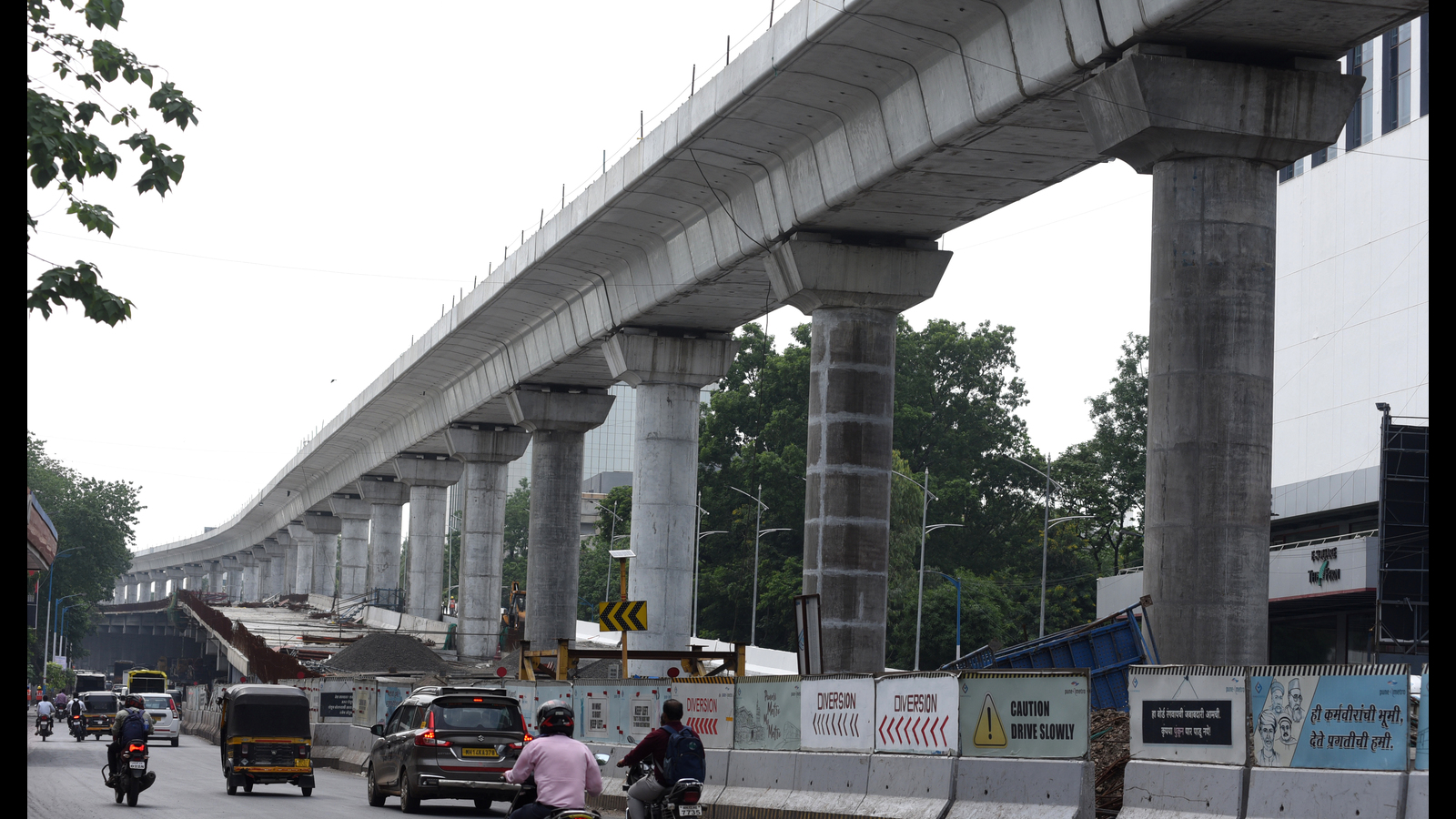
Commuters in Pune’s rapidly growing western corridor are set to see significant relief from chronic traffic congestion as the Baner side ramp of the University Chowk double-decker flyover is scheduled to open this week, officials from the Pune Metropolitan Region Development Authority (PMRDA) confirmed on Tuesday. The partial opening comes nearly two years after the project’s inception and is expected to streamline movement across one of the city’s most congested junctions.
Located at the convergence of key arterial roads serving Baner, Aundh, Pashan and Shivajinagar, the integrated flyover has been under phased construction to balance infrastructure delivery with ongoing traffic management. The Baner wing — now nearing readiness — will allow vehicles to bypass ground-level crossroads that have long been a source of gridlock, especially during peak hours.Urban mobility analysts say the decision to open part of the structure ahead of the complete project represents a pragmatic response to commuter distress. Over the past two years, daily travellers around University Chowk have faced extended delays as growth in residential and commercial activity outpaced road capacity. With this partial launch, travel times along the Baner–Shivajinagar route are expected to decrease, reducing fuel consumption and vehicular emissions — a noteworthy gain for Pune’s sustainable transport goals.
The overall flyover — an ambitious 1.7-kilometre, integrated double-decker structure — is designed to support both metro transit above and vehicular traffic below, aligning with the city’s broader push for multimodal connectivity. The Hinjewadi-Shivajinagar Metro corridor, running above the flyover’s lower deck, is also nearing operational readiness with trial runs underway and full operations anticipated in 2026.While the Baner ramp is about to open, work continues on the Pashan side wing, which officials say will be completed in the next two to three months. Delays in that segment have been attributed largely to utility pipeline relocations and other site-specific engineering adjustments.
For Pune’s urban planners, the flyover’s phased commissioning highlights both the complexities and potential of integrated infrastructure in dense city environments. Tackling traffic congestion — a perennial challenge on routes linking burgeoning IT hubs, residential zones and educational institutions — requires synchronised development of road capacity, public transport and active mobility options. Partial openings like this one can yield immediate commuter benefits, but long-term success depends on comprehensive planning that continues to evolve alongside urban growth.Local residents and transport experts have welcomed the development, noting that easing bottlenecks at strategic choke points can improve economic productivity and quality of life. Still, they stress that additional measures such as improved last-mile connectivity, pedestrian safety enhancements and dedicated cycling infrastructure will be critical to ensuring the city’s mobility system is inclusive and climate resilient.
Moving forward, authorities are expected to harmonise the final flyover commissioning with the metro’s launch and wider traffic management plans — a crucial next step in reinforcing Pune’s position as a dynamic, sustainably connected metropolitan centre.