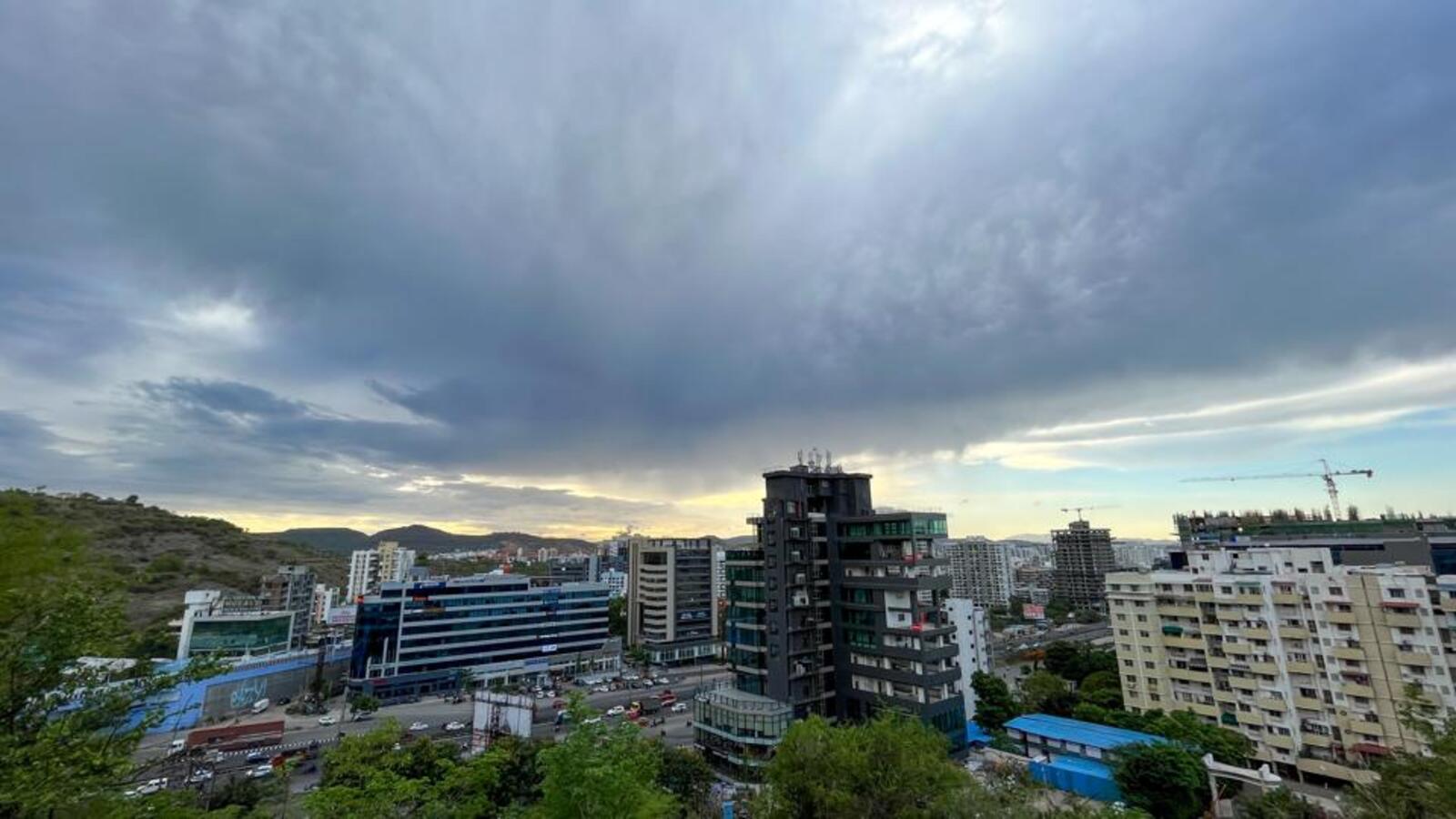
Pune Records Rising Night Temperatures Early Summer
Pune is experiencing an early and notable rise in night-time temperatures, with several areas reporting minimums above 20°C. Urban localities including Hadapsar, Wadgaon Sheri, and Chinchwad have consistently recorded elevated night temperatures in recent days, reflecting a departure from typical late-winter climate patterns. Meteorological data indicates a sharp 3–4°C rise in minimum temperatures over a single day in some central districts, underscoring a rapid shift in local weather conditions. Experts suggest this trend aligns with broader climate anomalies affecting western India, driven by extended dry spells and decreasing winter rainfall.
Urban planners and climate analysts note that warmer nights, particularly early in the year, have tangible impacts on city life. Elevated night-time temperatures can increase energy demand for cooling, strain electricity infrastructure, and affect residents’ sleep quality, health, and productivity. In addition, local real estate and construction sectors may need to reconsider building designs and materials, prioritising heat-resilient, energy-efficient solutions to maintain indoor comfort. A senior official from Pune’s climate monitoring unit highlighted that dry weather over the next week is expected to sustain higher minimum temperatures. Such conditions not only influence daily life but also have implications for urban water management. Warmer nights can accelerate evaporation from open water bodies, adding pressure on municipal water supplies during a period already marked by consumption near quota limits.
From an environmental perspective, these early summer conditions amplify the urgency of integrating climate-resilient infrastructure in Pune’s expanding urban footprint. Sustainable city initiatives, such as increased tree canopy coverage, green rooftops, and reflective urban surfaces, are essential to mitigate the heat-island effect that amplifies night-time warming in dense neighbourhoods. Urban development experts argue that embedding these interventions in both public and private projects is increasingly non-negotiable for equitable, people-centred growth.
Residential and commercial developers are closely observing these trends as part of long-term investment planning. Properties designed with natural ventilation, insulated roofing, and shaded outdoor areas may gain a competitive advantage as climate-adaptive features become more critical for habitability and energy efficiency. As Pune navigates this early warming, local authorities and planners face the dual challenge of managing immediate urban comfort and embedding systemic climate resilience. Forward-looking infrastructure and community-centric planning will be crucial to ensure that residents, businesses, and municipal services remain prepared for shifting weather patterns.