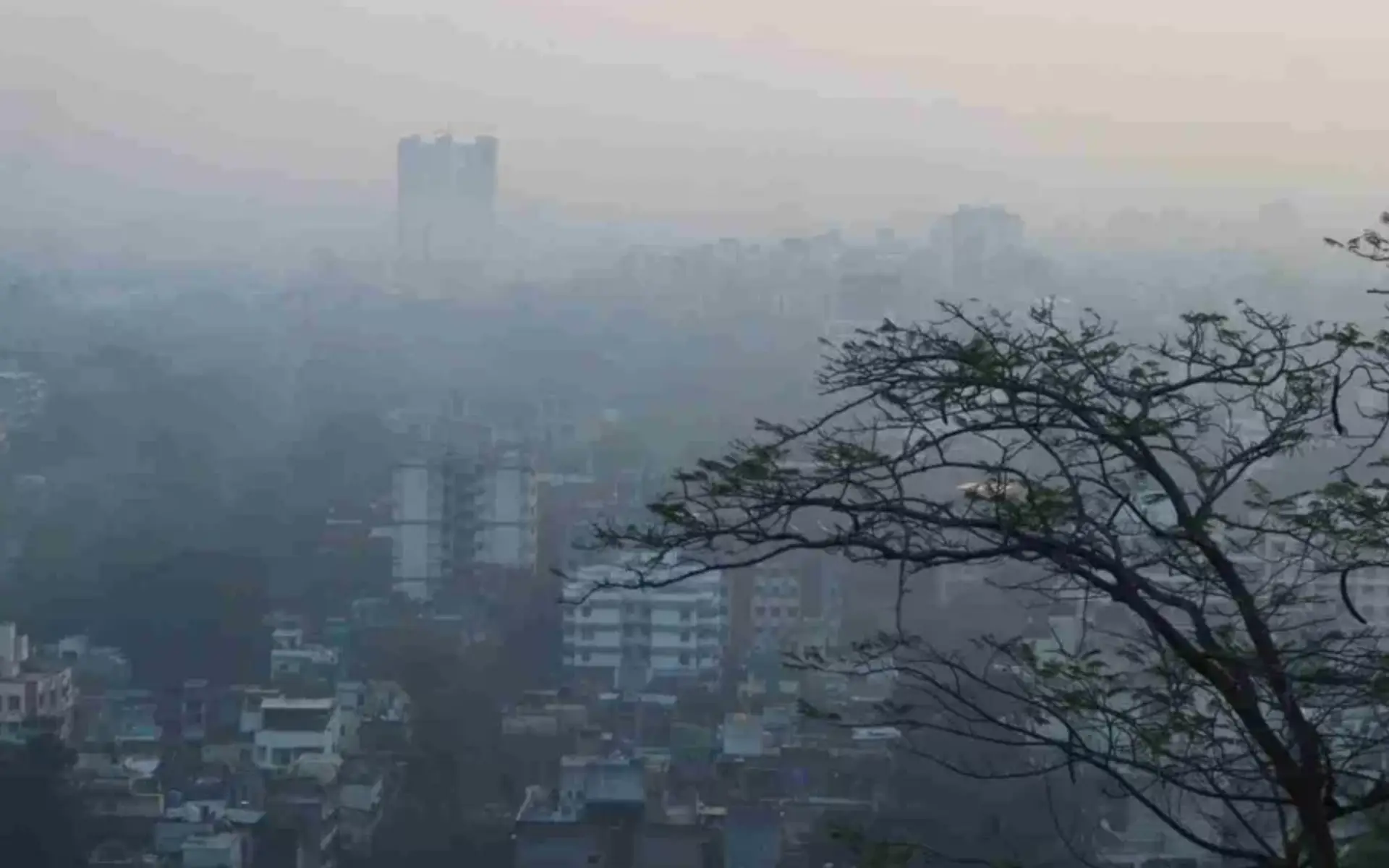
Pune recorded its coldest morning of 2026 on Friday as minimum temperatures slipped into single digits across several parts of the city, marking a sharp turn in the winter pattern. The drop, registered at the city’s core weather observatory, highlights how short-term climate variability continues to shape daily life, infrastructure use and energy demand in one of India’s fastest-growing urban centres.
The official weather station at Shivajinagar reported a minimum of 8.4 degrees Celsius, the lowest reading so far this year. Peripheral monitoring stations mirrored the trend, with Pashan dipping slightly lower. The fall represents a significant shift from the relatively mild start to January, when night temperatures were hovering well above seasonal averages. Meteorological experts attribute the cooling to a stable high-pressure system over central India that is pushing colder northerly winds into Maharashtra. Clear night skies have amplified the effect, allowing ground heat to dissipate more rapidly after sunset. Such conditions, while not unusual in January, have become less predictable in recent years as urban heat patterns and regional wind systems evolve.
For residents, the coldest 2026 morning translated into denser early-hour traffic, increased use of private vehicles, and higher electricity consumption as households turned to heating appliances. Urban planners note that even modest temperature swings can strain city systems when combined with air quality challenges and energy transition pressures. Traditionally warmer neighbourhoods such as eastern IT corridors and industrial suburbs also reported noticeably cooler nights, underscoring how the temperature dip was citywide rather than confined to green or low-density zones. This broad spread reflects the influence of regional weather systems overpowering localised urban heat island effects, at least temporarily.
From a longer-term perspective, climate researchers caution against viewing isolated cold mornings as indicators of cooling trends. Instead, they point to increasing volatility where sharper cold spells coexist with warmer winters overall. Pune’s winter temperatures over the past decade show wide fluctuations, with some years recording unusually high minimums and others seeing brief but intense cold episodes. The India Meteorological Department has indicated that while minimum temperatures may remain below 10 degrees Celsius in the immediate term, a gradual rise is expected as wind patterns weaken. Fog or mist may appear in pockets during early mornings, particularly near open land and water bodies, but severe cold wave conditions are not anticipated.
For city authorities, the episode reinforces the need for climate-resilient urban planning that accounts for temperature variability. Building design, public transport scheduling, pedestrian infrastructure and energy planning all need to respond to both heat stress and cold exposure, particularly for informal workers and vulnerable populations. As Pune expands outward and upward, balancing density with green cover will play a critical role in moderating such extremes. The coldest 2026 morning may pass quickly, but it serves as a reminder that urban resilience is built not only for heatwaves and floods, but also for quieter, colder mornings that test how cities function day to day.
Pune records coldest 2026 morning across city