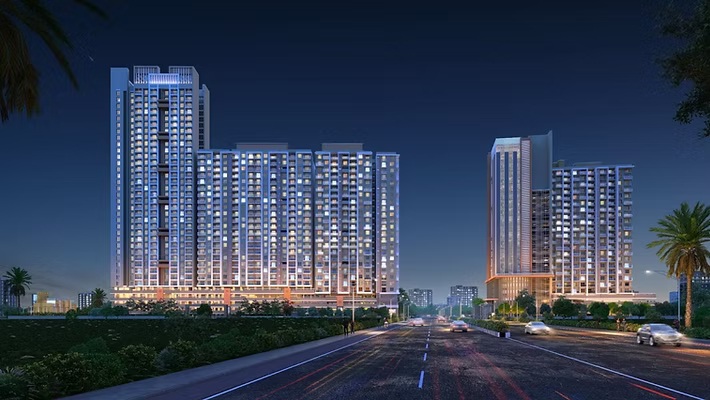
Pune’s commercial property market is entering a more disciplined and infrastructure-aligned phase as experienced developers with public works backgrounds reshape how office assets are planned, financed, and delivered. Industry observers say this shift is strengthening the city’s appeal as a stable destination for long-term enterprise investment rather than short-term speculative growth. Over the past two decades, Pune has transitioned from an industrial manufacturing base to a diversified economy anchored by information technology, higher education, and knowledge services. This evolution has steadily altered expectations from commercial real estate, pushing developers to prioritise compliance, building performance, and integration with transport networks. Urban planners note that these changes are closely linked to how infrastructure-led thinking is influencing private development decisions.
Unlike conventional real estate entrants, firms with roots in public infrastructure execution tend to approach projects with tighter cost controls, phased construction, and longer delivery timelines. Market analysts say this approach has helped insulate certain commercial assets from cyclical volatility, particularly during economic slowdowns when over-leveraged developments often stall. The growing focus on Grade A office spaces reflects broader shifts in corporate demand. Tenants are no longer evaluating buildings solely on location and leasable area. Connectivity to highways and emerging metro corridors, energy efficiency, safety standards, and adaptability for hybrid work models have become decisive factors. In Pune, this has encouraged developers to concentrate on fewer but higher-quality commercial projects, rather than expanding aggressively across segments.
The Pune commercial real estate market is also being shaped by sustainability considerations. Developers are increasingly incorporating daylight optimisation, water stewardship systems, and lower-energy mechanical designs at the planning stage. Urban sustainability experts point out that these measures not only reduce environmental impact but also improve asset longevity and operating efficiency key metrics for institutional occupiers and investors. Beyond offices, there is a visible recalibration underway in residential and land-led development. Demand for plotted developments on the urban periphery has grown as households seek flexibility, lower density, and future-ready locations. Areas on Pune’s western and north-western edges are emerging as focal points, supported by anticipated infrastructure upgrades and regional connectivity improvements.
Looking ahead, analysts expect Pune commercial real estate to grow steadily rather than explosively. The emphasis is likely to remain on Grade A assets aligned with infrastructure corridors and employment clusters. A similar pattern is anticipated in Navi Mumbai, where airport-led growth and transport investments are expected to drive demand for well-planned commercial spaces. For cities navigating rapid expansion, this shift signals a more measured real estate cycle one where execution capability, environmental responsibility, and long-term urban integration matter as much as scale. The challenge now lies in ensuring that future developments remain accessible, resilient, and aligned with broader metropolitan planning goals.