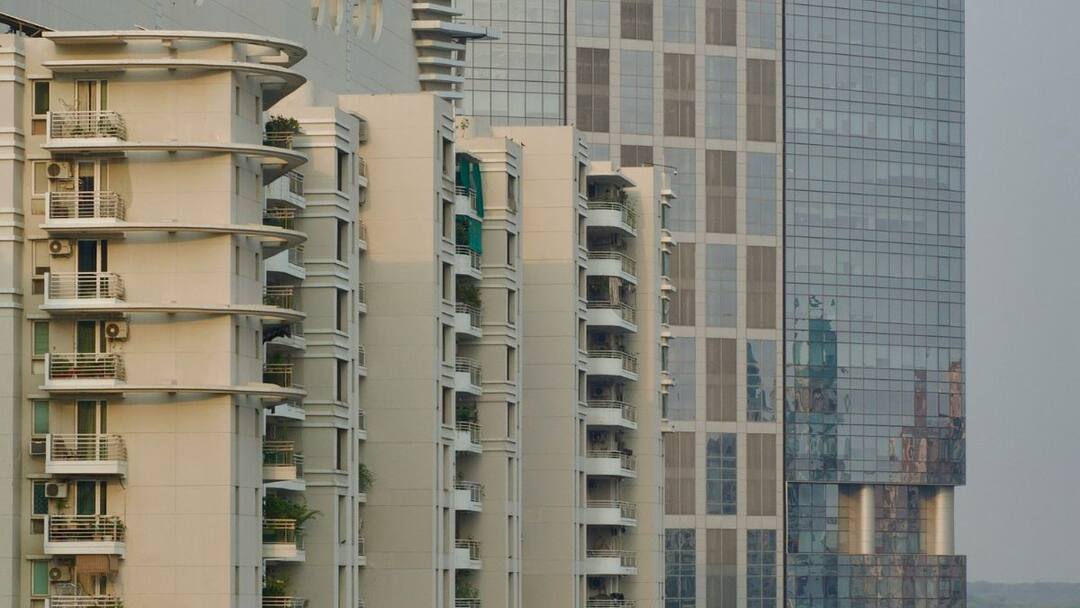
A marginal decline in Pune housing sales during the first quarter of 2026 signals a pause in one of India’s most active residential markets, even as long-term demand fundamentals remain intact. Market data indicates that new home transactions fell by around 5% year-on-year between January and March, reflecting a shift in supply dynamics and broader economic uncertainties rather than a structural slowdown.
Industry observers suggest the dip is less about weakening buyer appetite and more about constrained project availability in key growth corridors. Over the past year, delays in regulatory clearances, particularly environmental approvals have slowed the launch pipeline in areas such as Pimpri-Chinchwad and surrounding suburbs. As a result, fewer units were available for sale during the quarter, limiting transaction volumes despite sustained end-user interest. The recent moderation in Pune housing sales also follows an extended period of rapid expansion. The city witnessed a significant post-pandemic surge, driven by pent-up demand, rising disposable incomes, and a shift towards homeownership among younger professionals. This momentum pushed annual sales growth to record levels in previous years, making the current slowdown appear more like a cyclical adjustment than a downturn.
External geopolitical tensions and global economic volatility have added to near-term caution among buyers and investors. However, developers and analysts maintain that these factors have only temporarily influenced decision-making timelines rather than dampening intent. Early indicators from recent project launches show healthy booking rates, suggesting that demand remains resilient when supply enters the market. Urban planners note that Pune’s housing trajectory is increasingly tied to infrastructure expansion and employment hubs. The continued development of metro networks, road connectivity, and industrial corridors is expected to sustain residential demand, particularly in peripheral zones. At the same time, there is growing emphasis on integrated townships, energy-efficient buildings, and climate-responsive design aligning with broader goals of sustainable urban growth.
From a policy perspective, the recent slowdown highlights the importance of streamlining approval processes to maintain supply elasticity. Delays not only affect developer pipelines but also contribute to price pressures, impacting affordability for middle-income households. Ensuring timely clearances while maintaining environmental safeguards remains critical to balancing growth with sustainability. Looking ahead, stakeholders expect a rebound in Pune housing sales as pending approvals translate into new project launches over the coming quarters. With urban expansion continuing and housing demand anchored by economic activity, the city’s residential market appears to be transitioning into a more stable, supply-driven growth phase one that could support more balanced and inclusive development in the years ahead.