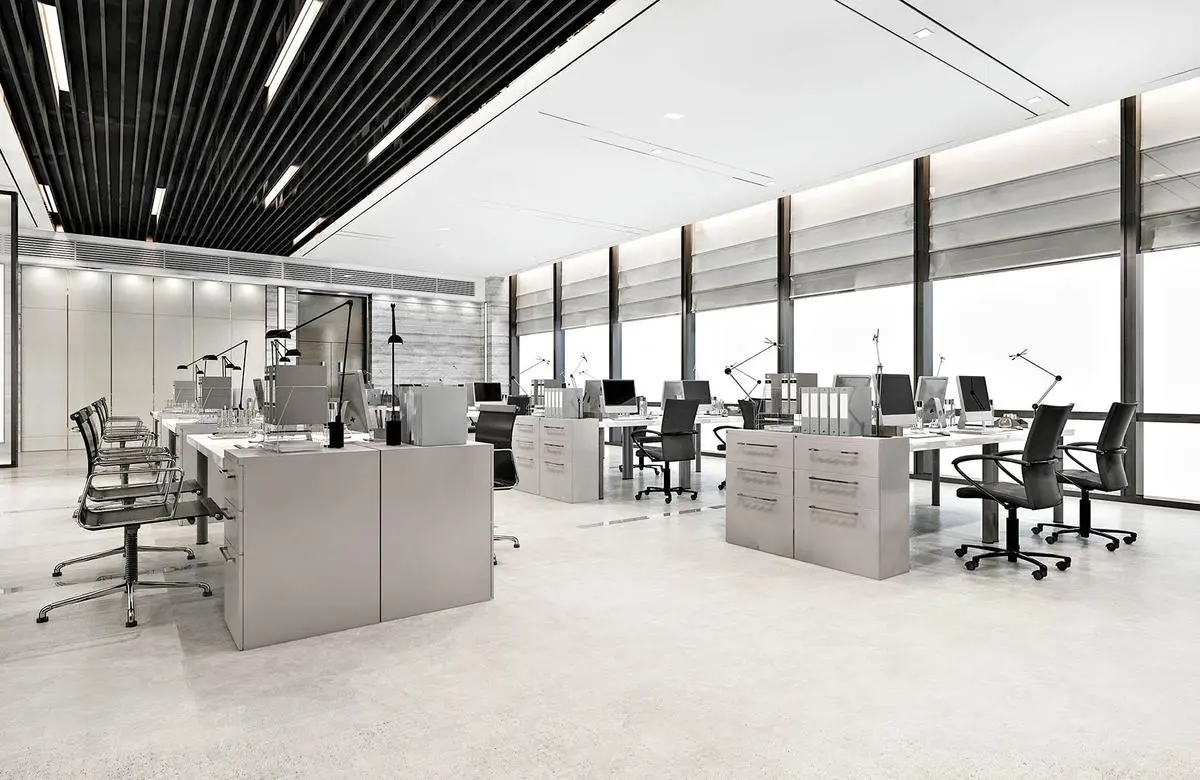
Pune’s commercial real estate market opened 2026 with moderated activity, even as global capability centres (GCCs) continued to anchor demand, reinforcing the city’s position as a technology and services hub. Office leasing reached 3.1 million sq ft in the first quarter, reflecting a slowdown from last year, but underlying occupier interest remained resilient, particularly from multinational firms expanding back-end and innovation functions.
The prominence of Pune GCC office leasing signals a structural shift in how global firms view India’s secondary metros. With a third of total transactions attributed to GCCs, industry observers note that companies are increasingly favouring integrated campuses and sustainable office parks that align with long-term operational efficiency and environmental targets. This is particularly relevant as businesses recalibrate real estate strategies around energy use, workforce flexibility, and climate-conscious infrastructure.Despite the dip in overall leasing volumes, demand from third-party IT service providers saw a sharp uptick, more than doubling year-on-year. This rebound suggests that outsourcing and digital services continue to expand, supported by global cost pressures and the need for distributed talent ecosystems. Flexible workspace operators also retained a notable share, reflecting hybrid work patterns that are reshaping space utilisation across urban India.
On the supply side, new office completions dropped significantly, pointing to a cautious development cycle. Analysts indicate that developers are becoming more selective, prioritising projects with strong pre-commitments, green certifications, and proximity to transit corridors. This tightening pipeline could help stabilise rental values, which have already recorded steady annual growth, signalling landlord confidence in sustained occupier demand.The residential segment, however, presents a more nuanced picture. Housing sales declined compared to the previous year’s high base, even as property prices climbed to their highest levels in recent years. The divergence suggests that affordability pressures may be weighing on end-users, particularly in entry-level segments where sales fell sharply. At the same time, premium housing categories witnessed robust growth, indicating a shift in buyer demographics and aspirations. Higher-income households and investors appear to be driving demand for larger, amenity-rich homes, often located within integrated townships that offer better resilience against urban challenges such as congestion and inadequate infrastructure.
Mid-income housing continues to form the backbone of Pune’s residential market, accounting for the largest share of transactions. Urban planners point out that maintaining supply in this segment will be critical to ensuring inclusive growth, especially as the city expands outward and absorbs new workforce populations. Looking ahead, the trajectory of Pune GCC office leasing and housing demand will likely depend on infrastructure delivery, mobility improvements, and the city’s ability to balance growth with sustainability. As Pune evolves into a major employment and residential centre, aligning real estate expansion with climate resilience and equitable access will remain central to its long-term urban stability.