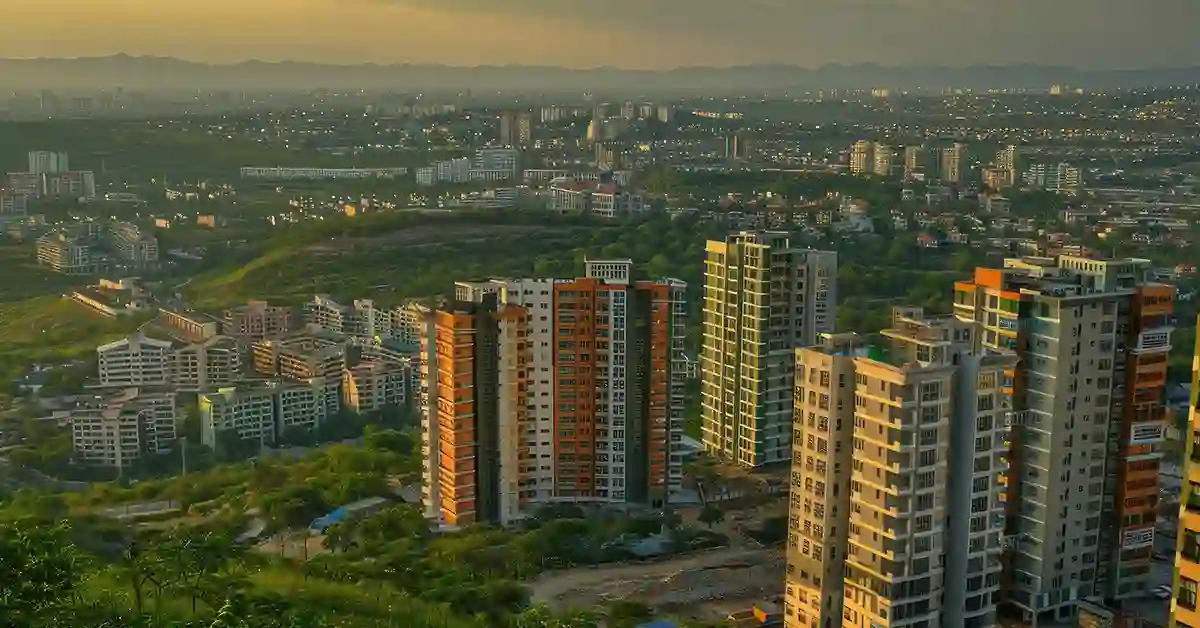
A growing number of developers across Pune and its surrounding urban clusters are applying for regulatory deadline extensions, as prolonged approval delays and shifting market conditions disrupt project timelines. The trend signals a cautious phase for the city’s real estate sector, where new launches are slowing and existing developments are being prioritised.
The rise in RERA extensions follows a period of administrative bottlenecks that affected environmental clearances and land demarcation processes across key planning authorities. Projects in the Pune Municipal Corporation and Pimpri-Chinchwad zones have been particularly impacted, with several developments experiencing delays exceeding a year. These disruptions have stalled not only new project approvals but also revisions required for ongoing construction. Industry observers describe the situation as a structural pause rather than a downturn. Developers are recalibrating their strategies, focusing on completing existing inventories instead of expanding aggressively. This shift reflects a broader transition in India’s property cycle, where financial discipline, regulatory compliance, and delivery timelines are taking precedence over rapid expansion.
Data from market analysts indicates that housing supply has marginally outpaced demand across major cities, leading to a modest rise in unsold inventory. At the same time, property prices have continued to climb, driven by higher construction costs and a tilt towards premium housing segments. This combination is placing pressure on both developers and homebuyers, particularly in mid-income categories. The increase in RERA extensions also highlights how regulatory frameworks are being used to manage unforeseen disruptions. Extensions, while legally permitted, can have cascading effects delaying possession timelines for buyers and increasing project costs due to extended financing and operational overheads. For homebuyers, this raises concerns around affordability and trust, even as regulatory oversight has improved transparency compared to the pre-regulation era.
Urban planners point out that delays in environmental approvals underline deeper systemic challenges in balancing growth with sustainability. As cities like Pune expand, ensuring timely yet rigorous clearances is critical to maintaining ecological safeguards without stalling development. The current situation reinforces the need for integrated, time-bound approval systems that can support both environmental accountability and economic activity. Adding to the uncertainty are external pressures, including rising input costs linked to global supply chains and geopolitical instability. Materials such as steel and aluminium, essential for urban construction, have seen volatility, which could further stretch project timelines if not stabilised.
Looking ahead, stakeholders across the sector are calling for streamlined governance and digital integration of approval processes. Strengthening coordination between regulatory bodies could reduce delays and improve predictability for developers and buyers alike. As Pune continues to urbanise, the ability to align regulatory efficiency with sustainable growth will shape not just project timelines, but the long-term resilience of its built environment.