Pune Railway Fines Vendor for Overpricing, Reinforces Passenger Rights
In a decisive move reflecting its commitment to passenger welfare and accountability, the Pune Railway Division of Central Railway has imposed a ₹20,000 penalty on a licensed station vendor for overcharging a commuter ₹6 for a bottled water purchase. The action, triggered by a passenger complaint, underscores the growing responsiveness of the rail authorities to issues of consumer exploitation at public transport hubs.
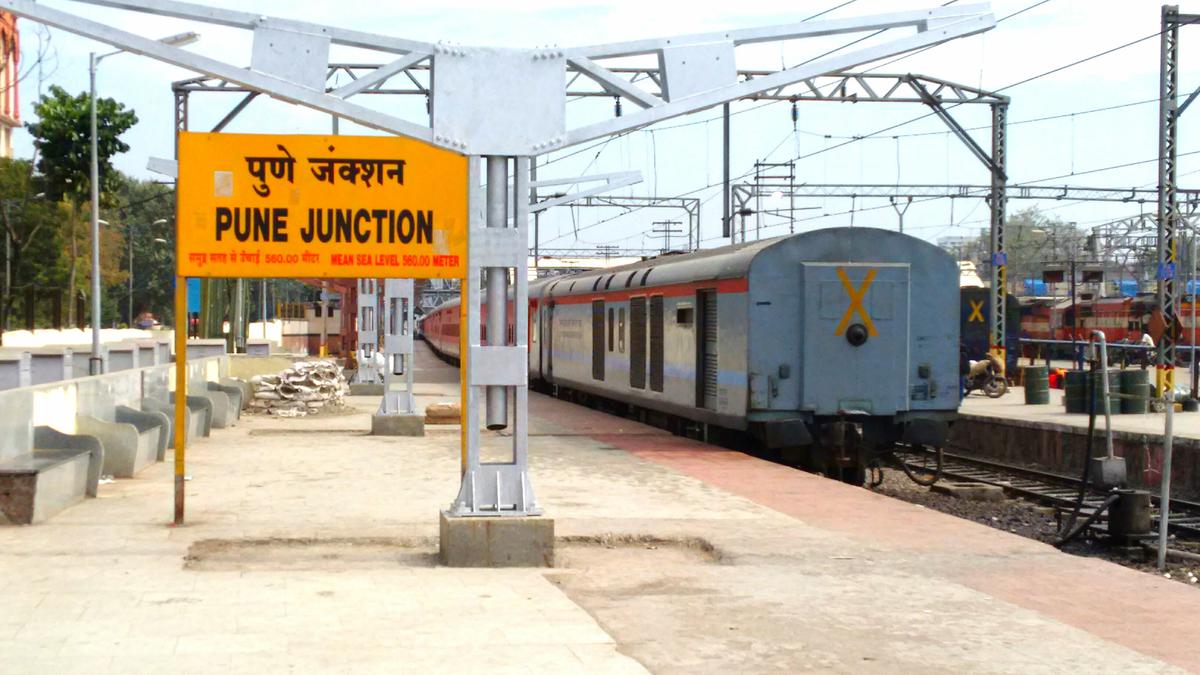
The incident unfolded at Pune Junction’s platform number two, where the vendor reportedly sold a ₹14 Railneer water bottle for ₹20. The commuter, refusing to accept the overcharge, reported the matter to the Railway helpline 139, prompting an immediate inspection and swift disciplinary response from railway officials.According to a senior railway official, the complaint was verified through on-ground checks, following which the vendor’s shop was suspended for two days. “Our priority is to ensure that every commuter receives fair service and transparency in pricing. The fine reflects our zero-tolerance stance against malpractice,” the official confirmed.
This crackdown forms part of a wider initiative by the Central Railway’s Pune Division to eliminate exploitative practices, including overpricing, poor hygiene standards, and unauthorised vending. Officials have intensified routine inspections and are collaborating with railway protection staff to identify vendors violating contract rules.Passenger rights advocates have lauded the railway’s swift response, noting that such actions can deter widespread issues of small-scale overcharging that cumulatively erode public trust. “Vendors often exploit rush hours, especially during festive or peak travel periods. By acting firmly, the administration has sent a message that even minor violations will not go unchecked,” remarked a local commuter activist.The Railways has also urged travellers to remain vigilant and to use digital grievance platforms such as Rail Madad or the 139 Helpline to report any irregularities, including inflated pricing, delayed service, or unsanitary conditions. Each verified complaint, officials assure, will invite immediate corrective action.
This case, though minor in monetary value, signals a significant cultural shift in urban public service governance emphasising ethical trade practices and accountability. It reflects how small actions by alert citizens can catalyse systemic change, ensuring equitable access and dignity for all passengers.As India’s public transport systems expand under sustainable urban mobility frameworks, such interventions reinforce the vision of a fair, transparent, and commuter-centred city ecosystem one where ethical business practices align with broader goals of urban equity and environmental responsibility.