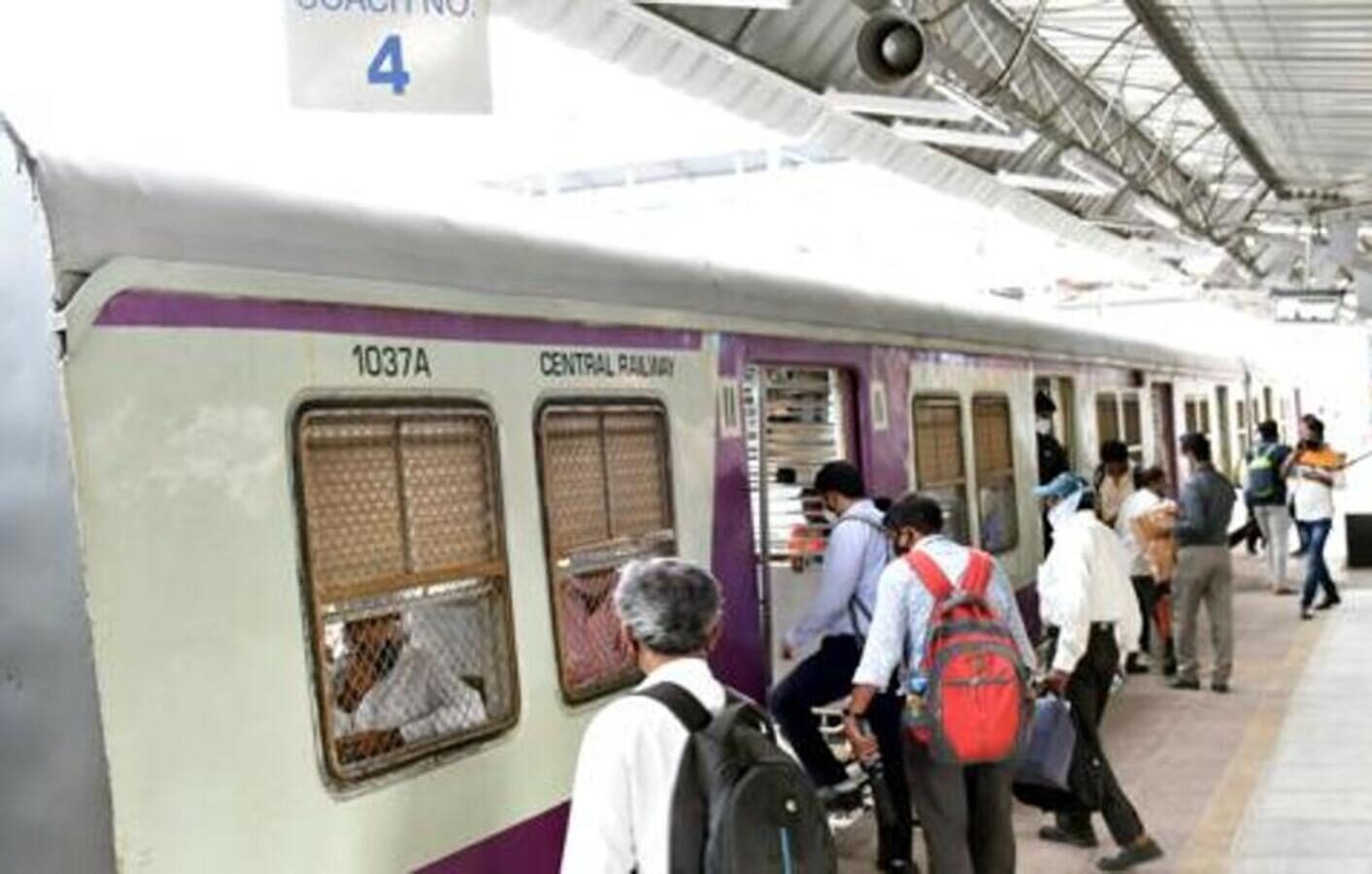
A sustained railway safety drive across the Pune division is beginning to yield results, with authorities reporting a noticeable decline in track-related incidents following intensified patrolling and the sealing of unauthorised access points. The improvement reflects a coordinated push to secure high-density rail corridors that form the backbone of regional mobility and economic activity.
Data from the Government Railway Police (GRP) show that overall railway track incidents in the division fell in 2025 compared with the previous year. Officials attribute the shift to a multi-layered intervention combining physical infrastructure barriers, removal of encroachments and round-the-clock ground monitoring along vulnerable stretches. The most sensitive zones remain the tracks around Pune station and the suburban corridors towards Lonavla and Daund areas that witness heavy commuter and freight traffic daily. With nearly 250 train movements and extensive intercity services, the division handles significant passenger volumes, increasing the risk of trespassing and unsafe crossings in densely populated neighbourhoods.
Railway authorities have over the past two years identified and closed numerous informal entry and exit points along the tracks, particularly in urban and semi-urban belts where residents previously accessed rail lines as shortcuts. Officials say restricting such access has been central to improving railway track safety in Pune.
Joint patrols by the GRP and the Railway Protection Force have also been strengthened, with teams deployed during peak hours and late-night periods. According to senior officers, early interception of trespassers and proactive monitoring have helped deter risky behaviour before it escalates into serious incidents.
Urban mobility experts note that railway track safety in Pune must be viewed within the broader context of rapid city expansion. As residential layouts, industrial clusters and informal settlements grow alongside rail alignments, physical separation between pedestrian zones and active tracks becomes critical. Fencing, boundary walls, foot-overbridges and adequate lighting are increasingly recognised as core urban infrastructure rather than optional add-ons.
At the same time, officials have begun reviewing the classification of railway incidents more closely to ensure transparency and accuracy in reporting. Enhanced scrutiny of case documentation and site inspections aims to improve investigative rigour and public confidence.
The Pune division’s safety push aligns with national efforts to modernise railway infrastructure while prioritising commuter protection. As multimodal integration deepens including metro connectivity and station redevelopment the design of safer access routes and clearly marked pedestrian pathways will be essential.
While challenges remain across certain corridors, authorities say sustained enforcement and infrastructure upgrades are expected to reinforce gains made so far. For a city positioning itself as a major economic and educational hub, strengthening railway track safety in Pune is integral to building a secure, resilient and people-centred transport ecosystem.
Pune Rail Safety Drive Shows Impact