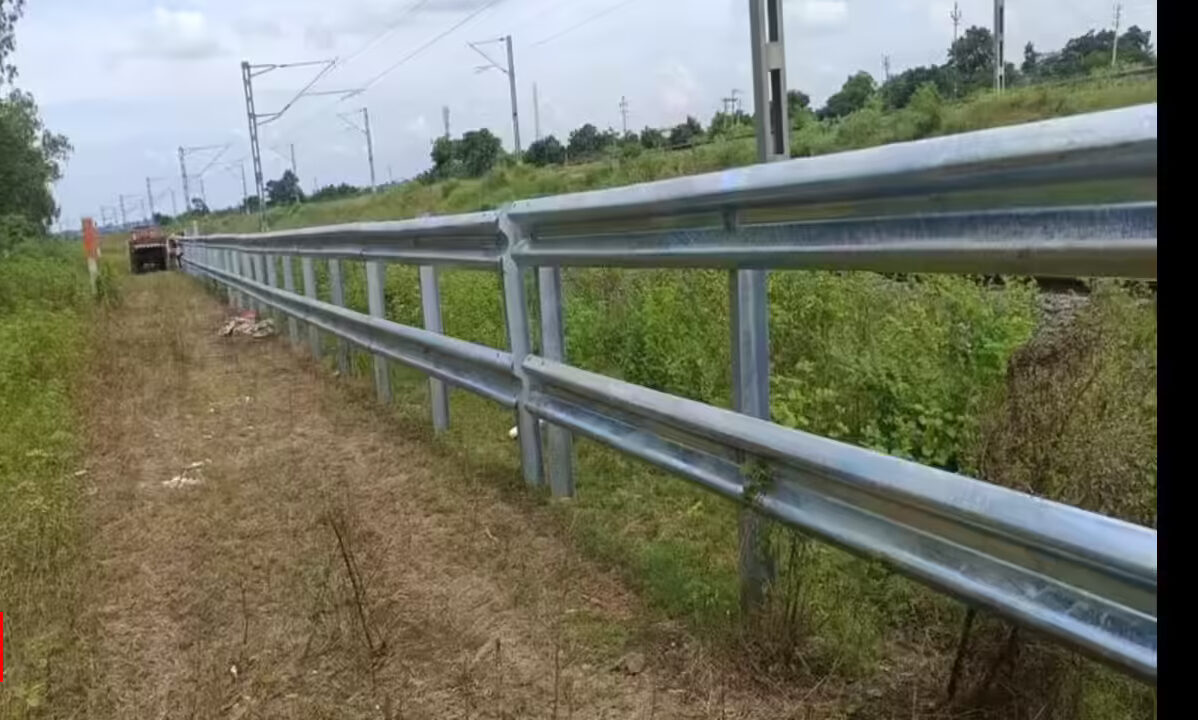
Pune’s railway network is set for a significant safety upgrade as the local rail division progresses with its large-scale fencing initiative across the Lonavla–Pune–Daund corridor. The division has completed more than 92 kilometres of protective barriers, with the full 290-kilometre stretch expected to be secured by April next year. The programme aims to drastically reduce track trespassing incidents, a persistent challenge that has caused hundreds of fatalities in recent years.
Railway officials said the project, launched in early 2024, is central to creating a safer mobility environment, particularly as train speeds increase with the introduction of modern rolling stock. High-speed services, including newer premium trains, have intensified the need for physical segregation between tracks and surrounding settlements. “The fencing will significantly cut down on risky trespassing behaviour,” an official said, adding that the project could finish ahead of schedule. The initiative, with an estimated cost of ₹234.64 crore, involves the installation of multiple forms of barriers such as weld mesh structures and crash-proof metal fencing. These materials are designed to withstand impact in areas vulnerable to encroachment, vandalism, or heavy pedestrian movement. Railway engineers explained that the fencing is being customised based on terrain, density of nearby habitation, and historical accident data.
Alongside fencing, the division is constructing a network of subways to ensure that residents, commuters, and wildlife have safe crossings without directly accessing the tracks. Initially, 16 such underpasses had been approved. After further assessment of accident-prone locations, three more were added. Construction has begun on 14 sites, with structural casting completed at nearly half of them. The safety overhaul follows alarming statistics. Last year, the Pune division reported 435 trespassing incidents resulting in 385 deaths. This year, up to October, the division has already logged 350 incidents and nearly 300 fatalities. Officials noted that many cases occur in peri-urban stretches where tracks pass close to rapidly expanding settlements, illustrating gaps in infrastructure planning on the urban–transport interface.
Industry experts say fencing, combined with grade-separated crossings, addresses both safety and social equity. Secure mobility infrastructure, they argue, helps protect residents of informal or low-income neighbourhoods who often rely on unsafe shortcuts across tracks due to inadequate local connectivity. By reducing fatalities and improving access, the project supports more inclusive and sustainable urban development—an imperative for cities transitioning towards safer, people-centred transport systems. To maintain the durability of the new installations, the rail division has warned of strict legal action for damage or unauthorised removal of fencing. Officials added that sensitive stretches will be monitored by CCTV cameras to deter vandalism and ensure long-term effectiveness.
The project also complements similar efforts underway in neighbouring divisions, including Solapur, which is implementing fencing along its 700-kilometre network. Together, these upgrades form part of a broader national emphasis on safety-led rail modernisation, aiming ultimately to reduce casualties while supporting cleaner, more efficient public transport.
Pune Rail Officials Finish 92km Fencing Work Along Lonavla-Pune-Daund Tracks