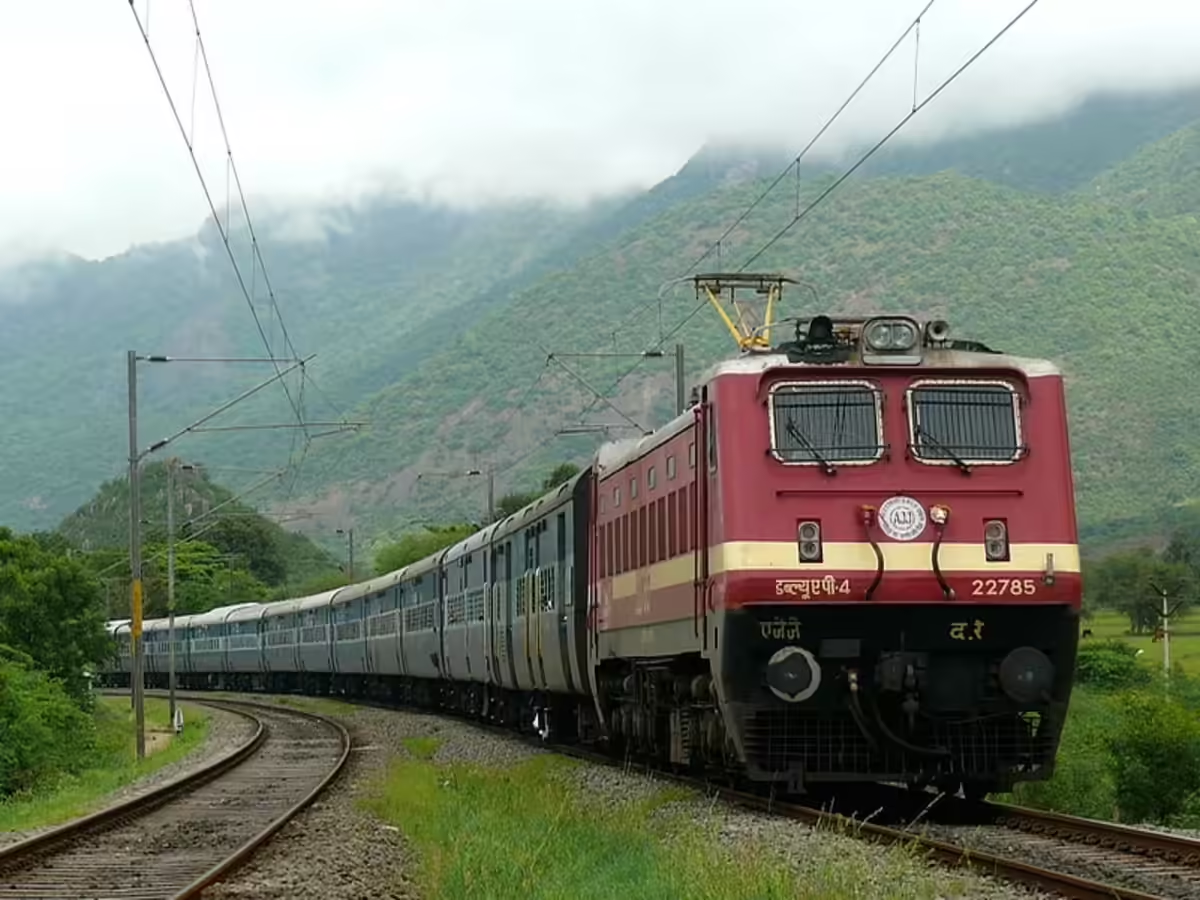
Rail travellers departing from Pune will experience adjusted fares following the implementation of a rationalised fare structure effective December 26, 2025. The revision has introduced moderate increases for short intercity trips and sharper rises for long-haul destinations, reflecting operational cost alignment and distance-based pricing.
Analysis of the fare changes shows that journeys to Northern and Eastern India incur the highest absolute increases, while shorter routes, including the Pune–Mumbai corridor, see minimal impact. For instance, fares to New Delhi have risen by ₹35 across reserved classes, with AC 2-Tier tickets now costing ₹2,565 and Sleeper Class tickets increasing to ₹695. General unreserved fares have climbed to ₹435, up ₹30 from previous rates. The Pune–Mumbai corridor remains largely insulated from steep hikes, with Second Seating tickets rising marginally by ₹5 and AC Chair Car fares remaining unchanged at ₹345. General unreserved tickets also retain their existing rate of ₹100. “The fare adjustments appear calibrated to balance commuter affordability with operational sustainability,” a senior railway official noted.
Routes to eastern India, particularly Howrah, show more significant increases, with AC 2-Tier and AC 3-Tier tickets rising by ₹45 and Sleeper fares climbing by ₹40. The Gorakhpur route has witnessed the largest hikes, with AC 1-Tier tickets surging by ₹85 to ₹4,635 and AC 2-Tier by ₹65, reflecting longer distance operations and associated cost structures. Southern routes, such as Pune–Bengaluru, experienced moderate revisions. AC classes increased uniformly by ₹20, Sleeper Class by ₹15, and General fares by ₹30. Similarly, fares to Danapur rose across AC, Sleeper, and General categories by ₹35–₹40. “These updates aim to standardise pricing across the network while factoring in distance, service class, and operational costs,” an industry expert said.
The fare rationalisation aligns with Indian Railways’ broader efforts to modernise ticketing, improve service delivery, and maintain sustainable operational economics. It also allows commuters to plan travel budgets more effectively, especially for high-demand long-distance routes. For passengers, the structured approach provides clarity on ticket pricing while ensuring the rail network remains financially resilient. The adjustment also supports ongoing investments in rail infrastructure, modern rolling stock, and service improvements across India’s intercity and long-distance rail corridors.
Pune Rail Fares Revised Maximum Hike Gorakhpur Mumbai Minimal Hike Delhi Howrah