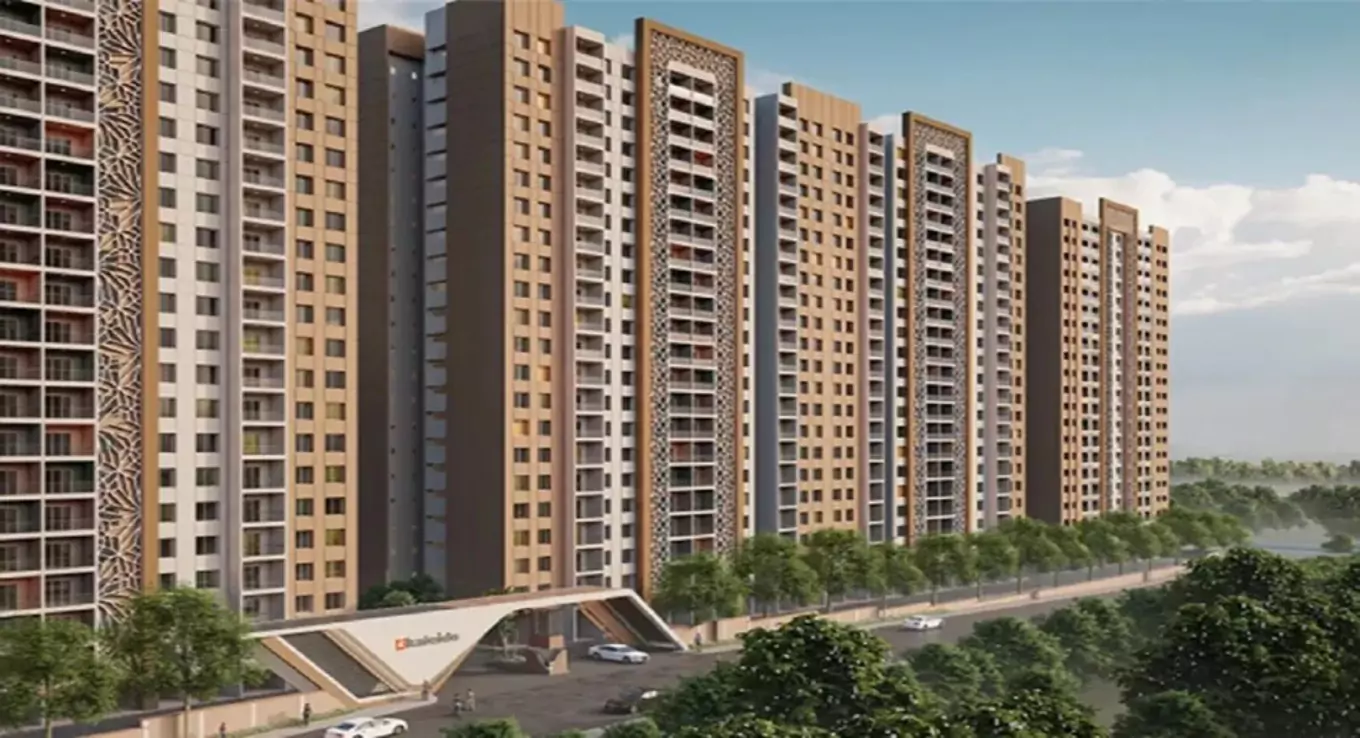
A large-scale Punawale housing project in Pune’s western corridor is set to add significant residential supply, reflecting the city’s continued expansion beyond its traditional core and into emerging suburban clusters.
The Punawale housing project, planned across a double-digit acreage parcel, will be developed in phases and is expected to deliver over two thousand homes. Positioned within the mid-to-premium segment, the development signals sustained confidence in Pune’s housing market, particularly in areas benefiting from improved road connectivity and proximity to employment hubs. Punawale, located along the Mumbai–Pune growth axis, has seen rapid transformation over the past decade. Improved access via the Mumbai–Bangalore Highway and link roads to Hinjawadi’s IT corridor has made it a preferred destination for professionals seeking relatively affordable alternatives to central Pune. Urban planners say such peripheral growth is reshaping how the city distributes population density and infrastructure demand.
The scale of the Punawale housing project also highlights the increasing use of joint development agreements (JDAs) in land-constrained markets. By partnering with landowners, developers are able to unlock large land parcels without outright acquisition, enabling faster project execution while sharing financial risk. This model has become particularly relevant in cities like Pune, where land fragmentation can otherwise slow development. From a design and planning perspective, large residential clusters of this nature bring both opportunities and challenges. On one hand, they allow for integrated amenities, open spaces, and community infrastructure within a single development footprint. On the other, they place pressure on external civic systems such as water supply, waste management, and transport networks.
Experts emphasise that future-ready projects must account for environmental sustainability alongside scale. “Western Pune’s growth trajectory makes it essential for new developments to incorporate water-sensitive planning, energy efficiency, and mobility integration,” said an urban development consultant tracking the region. Features such as efficient building orientation, green cover, and reduced heat gain are increasingly being factored into project planning. Market analysts note that the Punawale housing project enters a segment where demand remains steady, driven by first-time buyers and upwardly mobile households. The availability of larger-format apartments, including family-oriented configurations, reflects evolving buyer preferences in the post-pandemic period, where space and flexibility have gained importance.
At the same time, the expansion of such developments underscores the need for coordinated infrastructure planning. While road connectivity has improved, public transport penetration and social infrastructure such as schools and healthcare facilities must keep pace to ensure balanced urban growth. As Pune continues to evolve into a multi-nodal city, projects like the Punawale housing project illustrate how private investment is shaping new residential geographies. The long-term impact, however, will depend on how effectively these developments integrate with wider urban systems, ensuring that growth remains both inclusive and environmentally sustainable.
Pune Punawale Housing Project To Reshape West Growth