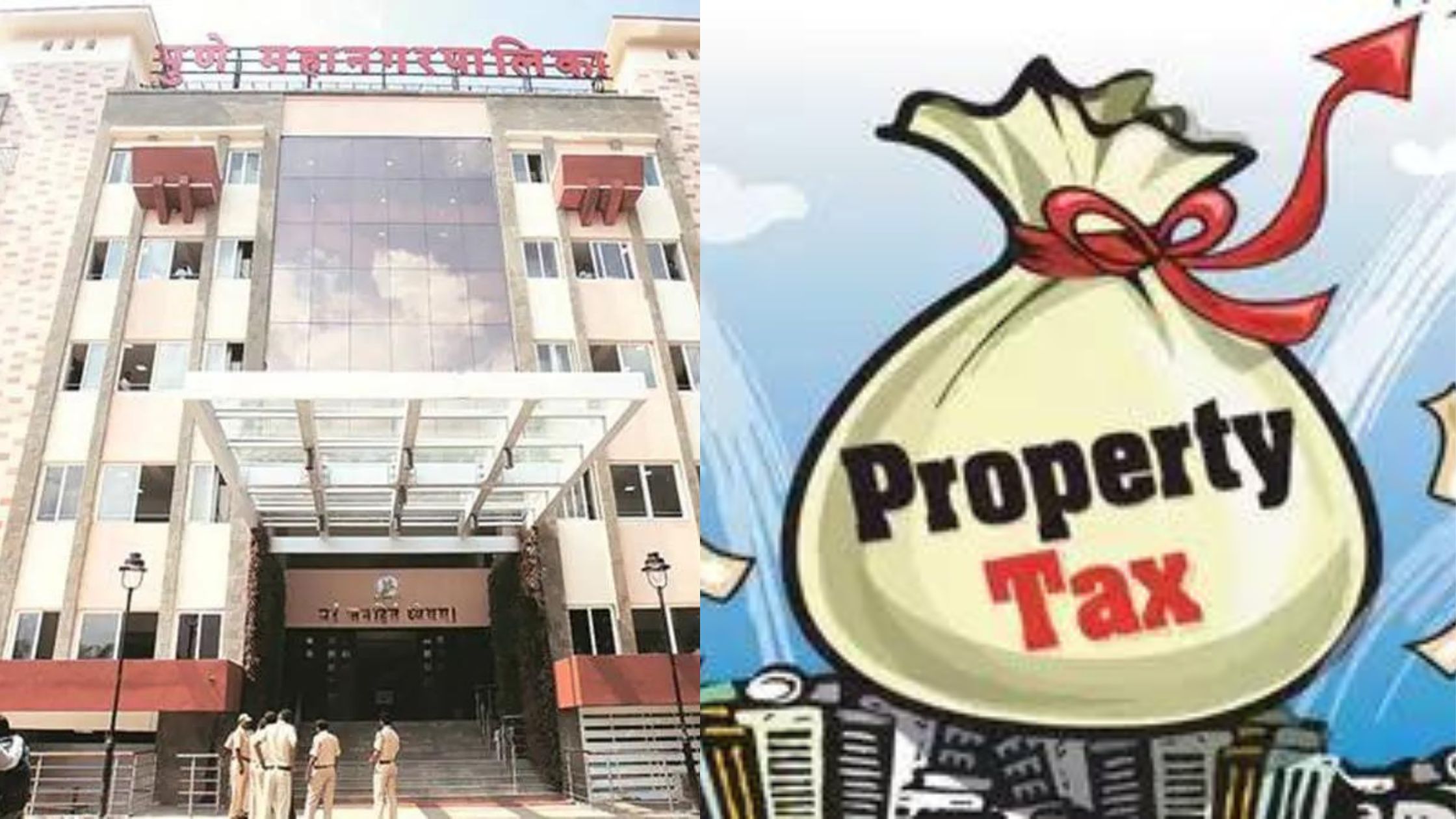
In a significant policy reversal, the elected council of the Pune Municipal Corporation has declined to approve a proposed 5 per cent increase in property tax, averting an immediate rise in household and commercial outgoings. The decision comes at a critical juncture as the civic administration prepares its 2026–27 budget and weighs revenue gaps against growing infrastructure demands.
The move signals a shift in fiscal direction after an earlier administrative recommendation had favoured a revision in rates. With elected representatives now back in charge, the political calculus has changed. The debate around the PMC property tax hike has underscored broader tensions between financial sustainability and affordability in a rapidly expanding urban economy. Municipal officials have argued that stagnant tax rates over the past decade have widened the gap between expenditure and income. Pune’s infrastructure needs from water networks and road upgrades to solid waste systems and climate resilience projects require consistent funding streams. However, councillors across party lines raised concerns about imposing additional burdens on residents amid uneven service delivery and rising living costs.
Particular attention centred on taxation in recently merged villages. Representatives from these areas flagged discrepancies between higher assessments and delayed civic amenities. Urban policy observers note that integrating peri-urban settlements into the municipal framework requires calibrated fiscal transitions, especially where property valuations shift abruptly after inclusion within city limits. The debate has also revived scrutiny of collection efficiency. According to officials familiar with internal assessments, substantial arrears remain uncollected, including dues from commercial establishments and telecom infrastructure. Elected members have called for stronger recovery mechanisms, digital tracking systems and legal follow-up before considering upward rate revisions. Strengthening compliance, they argue, would expand revenues without penalising compliant taxpayers.
The PMC property tax hike was initially positioned as a moderate adjustment reduced from an earlier double-digit proposal but its rejection reflects a wider expectation that fiscal reforms must be transparent and equitable. Urban finance specialists suggest that municipal corporations across India face similar dilemmas: how to fund green mobility, drainage upgrades and low-carbon public infrastructure while maintaining public trust. For Pune, the immediate relief to property owners provides short-term comfort. Yet the structural question remains unresolved. Without reforms in assessment practices, manpower deployment and data integration, revenue buoyancy may continue to lag behind expenditure growth. As the budget deadline approaches, the civic administration must balance financial prudence with service equity.
The outcome of this episode could influence future deliberations on the PMC property tax hike and shape how the city finances its transition towards resilient and inclusive urban development. Sustainable revenue models rather than episodic rate changes may ultimately determine Pune’s capacity to deliver reliable infrastructure in the years ahead.
Pune Property Tax Relief for Residents