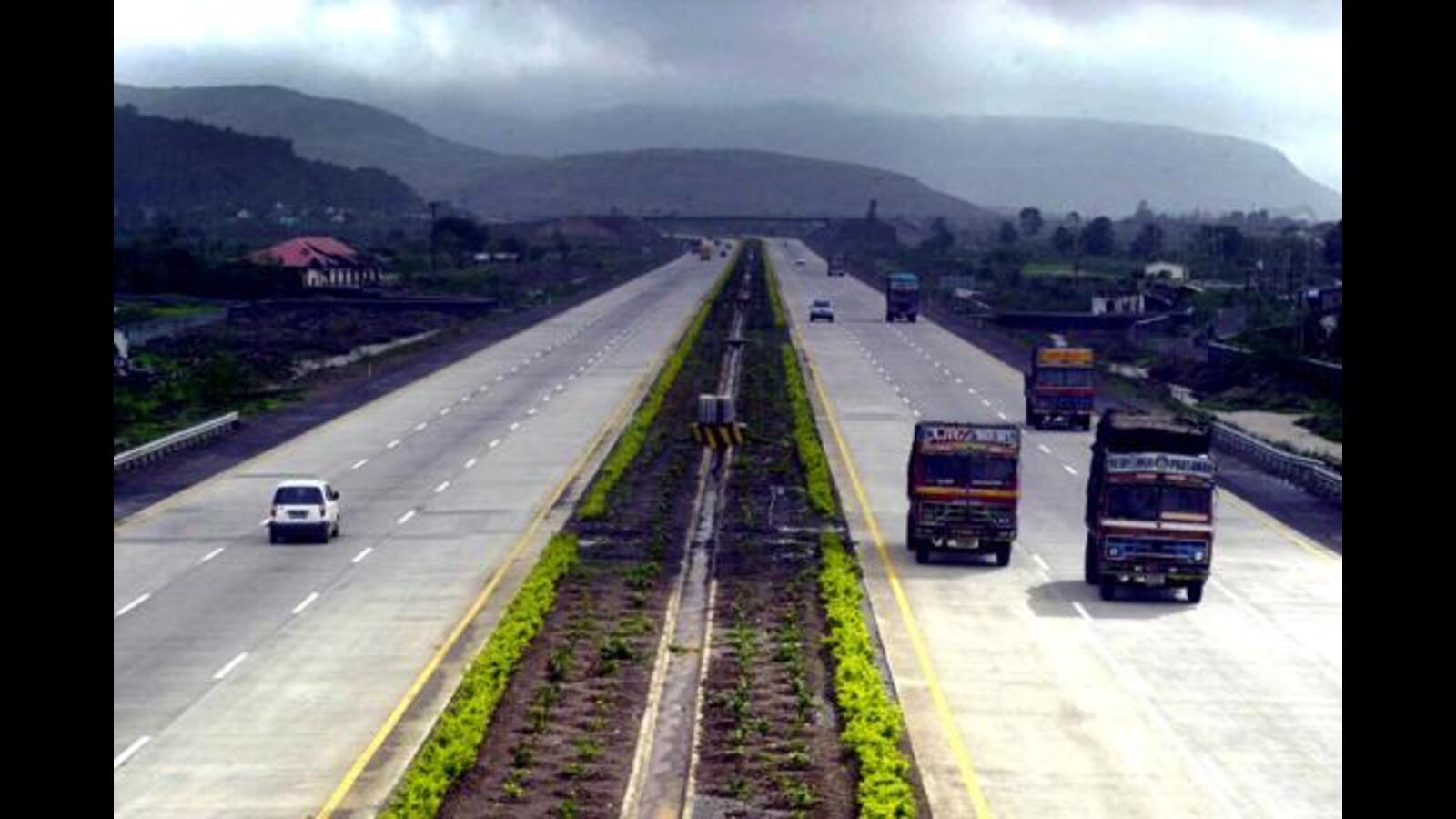
Pune’s metropolitan planning authority has begun evaluating an ambitious underground road network aimed at easing chronic traffic congestion across the city and its rapidly expanding suburbs. The proposal under review envisions a 45-kilometre subterranean corridor system linking four of Pune’s busiest national and state highways, positioning the project as a long-term mobility intervention for one of India’s fastest-growing urban regions.
Urban officials said a detailed feasibility assessment has been initiated, with early designs prepared by an appointed consultant. The preliminary concept focuses on a series of deep road tunnels, including a critical north–south underground corridor connecting the eastern and southern parts of the city. If implemented, the project could cost an estimated ₹20,000 crore and would be executed in phases over several years. According to planning officials, the proposed underground road grid is designed as a six-lane express corridor enabling uninterrupted cross-city travel. By diverting long-distance and through traffic below ground, planners believe surface roads could be reclaimed for public transport, pedestrians, cycling infrastructure and urban greening — an increasingly important goal as cities pursue lower-carbon mobility models.
Key alignments under study include tunnel sections beneath ecologically sensitive hill zones and densely built urban clusters. Officials clarified that these alignments have been assessed to avoid interference with existing and planned Metro rail corridors, with tunnels proposed at a depth of nearly 30 metres. “The intent is to complement mass transit, not compete with it,” an official involved in the study said. Urban mobility experts note that underground roads, while capital-intensive, can offer durable congestion relief when paired with strong public transport systems and demand management. “Subterranean infrastructure should be treated as strategic capacity, not an excuse for unchecked car growth,” an urban transport analyst said, adding that careful traffic modelling and environmental safeguards would be critical.
The underground road proposal is being reviewed alongside a wider metropolitan infrastructure push. The regional authority has identified more than 200 projects across transport, housing and public amenities, supported by substantial state funding approvals in recent weeks. In parallel, planners are working on a long-term metropolitan structure plan to better align land use, population growth and transport demand. If approved by the state government, the underground road network could reshape Pune’s mobility landscape over the coming decades.
However, experts caution that its success will depend on transparent approvals, sustainable financing and integration with low-emission transport policies. For a city grappling with congestion, pollution and rapid urbanisation, the project represents both an opportunity and a test of future-ready urban planning.
Pune PMRDA Studies 45 Km Subterranean Road Grid Linking Major Highways