


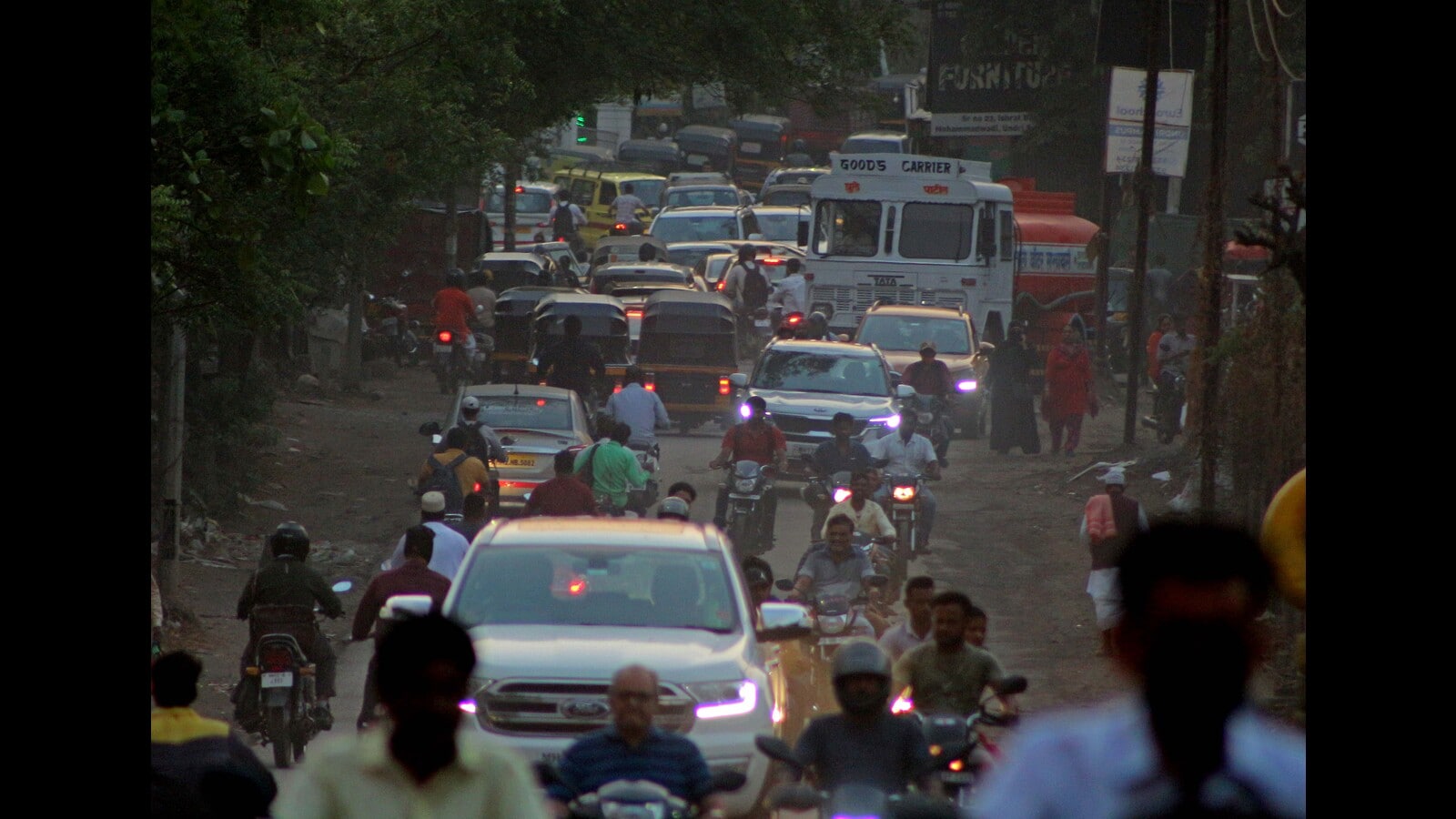
Pune is set to transform urban mobility with plans for an underground road network designed to decongest the city’s central arteries. Maharashtra authorities have approved a proposal to develop key subterranean corridors, aiming to reduce traffic bottlenecks and improve commuter experience in heavily congested areas such as Shaniwarwada, Swargate, and Sarasbaug. The initiative marks a significant step in Pune’s sustainable urban transport strategy.
A high-level review convened recently in Pune, including senior state officials and urban development experts, focused on long-term traffic solutions for the city. The Maharashtra administration has instructed the Pune Municipal Corporation (PMC) to prioritise underground road projects in central locations where traffic congestion impacts daily commuters, office-goers, and commercial transport. Officials emphasised that such infrastructure could significantly improve the flow of vehicles while reducing urban pollution. The proposed corridors, including the Shaniwarwada-Swargate and Sarasbaug-Shaniwarwada stretches, are expected to relieve surface roads and provide seamless connectivity for the city’s core. Urban transport planners highlighted that underground roads are a sustainable approach to accommodate increasing vehicular demand without encroaching on existing green spaces or urban settlements. “By diverting traffic underground, Pune can reduce congestion, lower emissions, and ensure safer, faster commutes,” stated a senior PMC traffic official.
In parallel, the PMC is implementing both short-term and long-term measures to manage current traffic pressures. Municipal experts conducted on-ground reviews of high-density areas, including Kasba Peth, to monitor vehicle flow, identify congestion points, and align the underground project with existing road networks. Coordination with local law enforcement ensures that project planning integrates real-time traffic management with future infrastructure upgrades. Urban mobility experts also emphasise the broader benefits of subterranean corridors. Apart from easing daily traffic, these projects can facilitate emergency services, public transport efficiency, and equitable access for all commuters, including pedestrians and cyclists. “Integrating underground road networks with sustainable city planning aligns with Pune’s vision of a low-carbon, resilient urban transport system,” noted an urban planning expert.
The initiative, while ambitious, faces challenges including land acquisition for entry-exit ramps, construction feasibility in densely populated zones, and cost management. Officials indicate that careful engineering assessments and stakeholder consultations will guide implementation to ensure minimal disruption and maximum efficiency. If executed effectively, the underground road network could redefine Pune’s urban transport landscape, providing long-term relief for commuters while supporting a sustainable, eco-friendly, and equitable city infrastructure model. Authorities remain committed to balancing infrastructural growth with environmental stewardship and community needs.
Also Read : Ujjain Airport To Launch In Two Phases With AAI Deal Imminent
