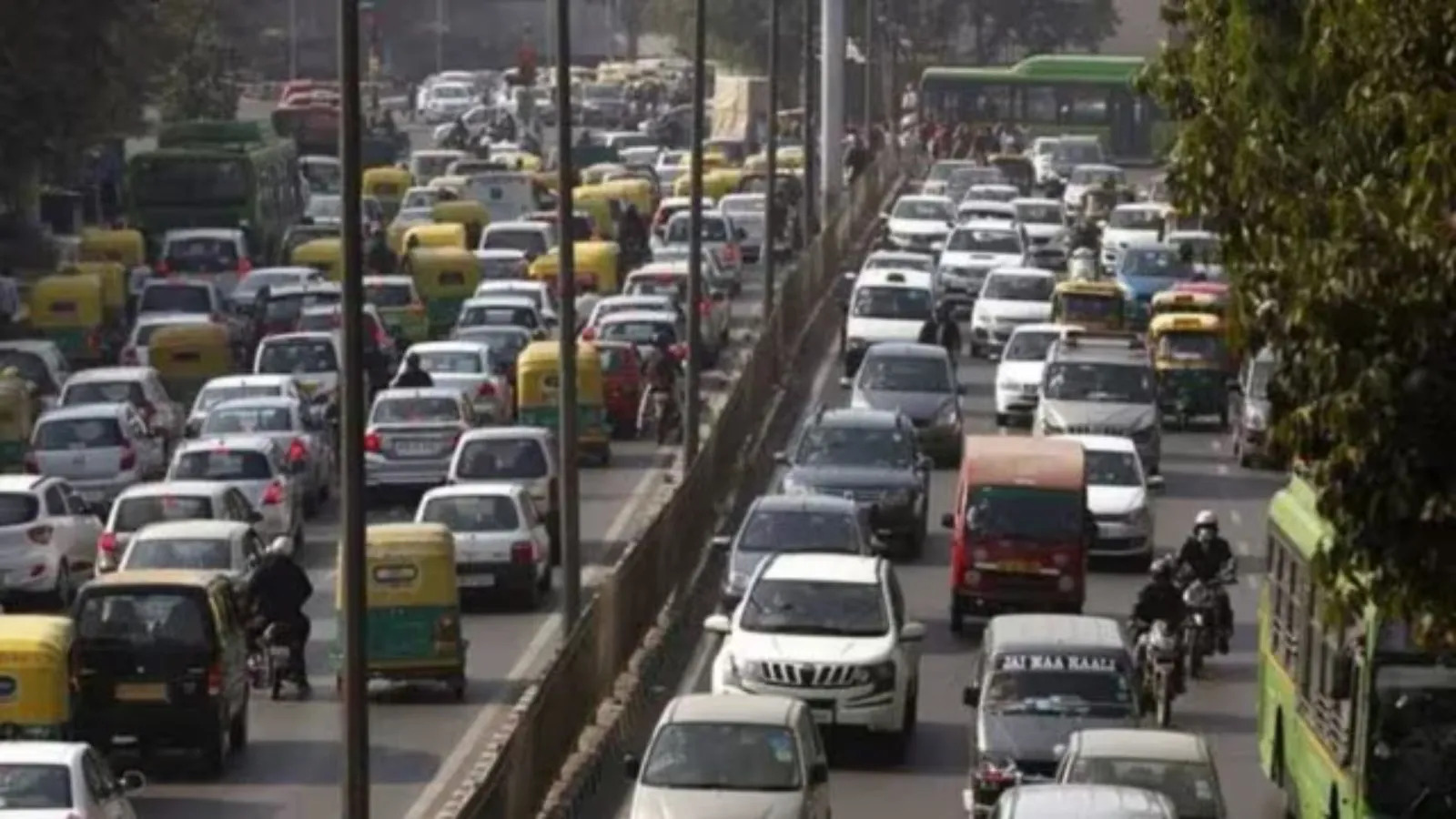
Pune’s civic administration has set December 2026 as a visible milestone for easing congestion across the city, outlining a coordinated strategy that relies less on mega projects and more on immediate, street-level interventions. The move signals a shift toward incremental, cost-conscious reforms aimed at delivering quicker relief to commuters while longer-term transport infrastructure remains under construction. Senior municipal officials indicated that the focus will be on short- and medium-term measures capable of improving traffic flow without waiting for large capital-intensive works to conclude. The approach centres on road widening at bottlenecks, removal of encroachments, improved street lighting, systematic repair of electrical feeder boxes, and ward-level resurfacing works. Officials said these practical upgrades could significantly strengthen Pune traffic reforms within a year.
The urgency stems from a structural imbalance: the city has expanded rapidly as a destination for technology firms, Global Capability Centres and advanced manufacturing, yet its transport network has struggled to keep pace. Police representatives noted that a substantial share of vehicles using city roads originate from outside municipal limits, intensifying congestion on arterial corridors and creating pressure points in mixed-use neighbourhoods. Large projects including the Metro network expansion, the regional Ring Road and several critical road linkages are expected to redistribute traffic once completed later this decade. However, urban planners argue that waiting for these projects alone would leave daily commuters vulnerable to prolonged delays, higher fuel consumption and rising vehicular emissions.
In that context, Pune traffic reforms are being framed as an operational efficiency exercise rather than a purely engineering challenge. Officials are examining data-driven traffic management tools, synchronised signals, and better enforcement coordination between civic and police departments. Ward-level accountability mechanisms are also under discussion to ensure that small but high-impact obstacles from illegal hoardings to poorly maintained footpaths are addressed swiftly. Urban mobility experts suggest that such low-cost interventions often deliver disproportionate benefits. Clearing encroachments, rationalising parking and improving last-mile connectivity can reduce idle time at junctions, lowering emissions and supporting climate-resilient mobility. For a city grappling with rising temperatures and air quality concerns, smoother traffic flow carries environmental as well as economic value.
Real estate analysts also view the reforms as significant for property markets. Commute times increasingly shape housing demand, influencing decisions on residential investments and office leasing. Even marginal improvements in corridor efficiency can alter micro-market dynamics, particularly in peripheral growth zones. The administration maintains that coordinated execution rather than large new spending will determine success. If implemented effectively, the measures could offer citizens safer roads and shorter travel times ahead of the next phase of infrastructure delivery. For Pune, the coming year may test whether disciplined governance can unlock mobility gains before megaprojects reach completion.