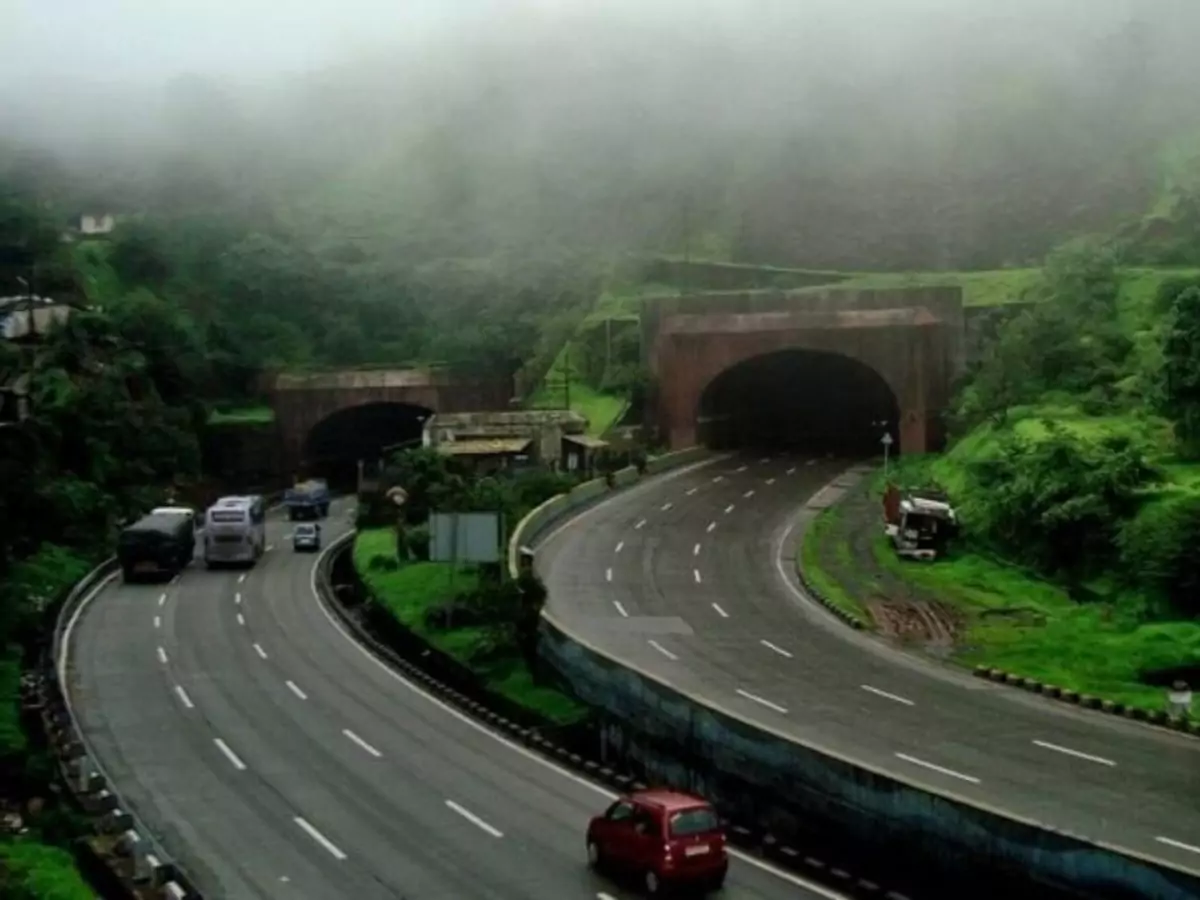
Pune is preparing for a major shift in how it moves people and goods, with state authorities outlining plans for a 54-kilometre underground road tunnel network aimed at easing chronic congestion in one of India’s fastest-growing urban regions. The proposal, estimated at ₹32,000 crore, signals a move towards vertical transport planning in a city where surface-level road expansion has reached its limits.
Senior government officials said the tunnel network is being explored as part of a broader mobility overhaul, responding to Pune’s unusually low share of land allocated for roads. Urban planners estimate that barely a tenth of the city’s developed area is devoted to road infrastructure, far below national and global urban benchmarks. This constraint has amplified congestion as vehicle ownership rises alongside rapid population growth. The underground road proposal is expected to complement, rather than replace, ongoing investments in public transport. Authorities highlighted parallel efforts to expand the city’s metro system, add electric buses to municipal fleets, and deploy technology-led traffic management tools. Artificial intelligence-based assessments are already being used to evaluate the feasibility of widening select arterial roads without disrupting dense neighbourhoods.
Transport officials involved in preliminary planning say the tunnel network could allow long-distance and through traffic to bypass surface streets, freeing up space for pedestrians, cyclists and local public transport. Such separation of traffic layers is increasingly viewed by urban mobility experts as essential for dense cities seeking both efficiency and lower emissions. The proposed network would begin in the southern suburbs, where traffic from highways and industrial zones converges before entering the city. If executed as planned, it would link multiple growth corridors while reducing dependence on flyovers, which have limited scope due to land acquisition challenges and social impact concerns.
The underground approach also reflects climate resilience considerations. Road planners note that sub-surface corridors can be engineered to withstand extreme weather more effectively than elevated structures, provided drainage, ventilation and emergency systems are robustly designed. However, experts caution that tunnelling in basalt-rich Deccan terrain presents technical and financial risks that will require phased execution and transparent cost control.
Beyond mobility, the plan has implications for real estate and economic productivity. Faster commute times and more predictable travel can widen labour catchments, support commercial decentralisation and improve quality of life. Pune’s emergence as a hub for global capability centres and advanced manufacturing has intensified pressure on infrastructure, making long-term transport solutions critical to sustaining growth.
The tunnel proposal sits alongside the city’s outer ring road project, which is designed to divert freight and intercity traffic away from urban cores. Together, these initiatives could significantly reshape travel patterns if integrated with land-use planning and public transport expansion. Urban analysts emphasise that success will depend on sequencing, environmental safeguards and citizen engagement. As feasibility studies progress, attention will turn to funding models, construction timelines and how underground roads can coexist with a people-first, low-carbon mobility vision. For a city at the crossroads of growth and gridlock, the choices made now are likely to define Pune’s urban form for decades.
Pune Plans Deep Tunnel Network To Ease Traffic