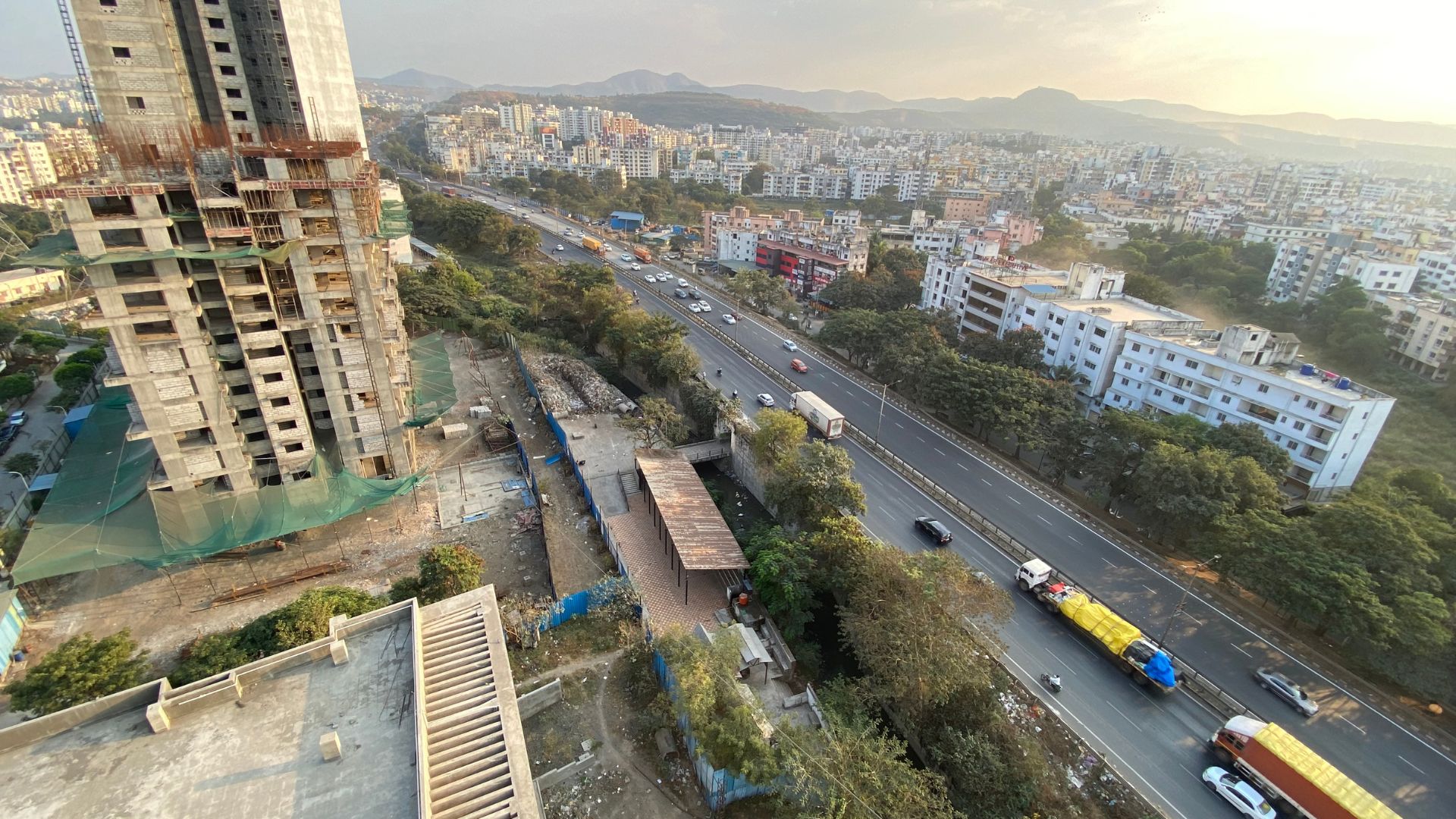
Pune’s newest urban local body has begun charting its development roadmap, with the Phursungi Municipal Council convening its first full council session to prioritise long-pending civic works. The meeting signals a transition from village-level governance to structured urban administration in one of the city’s fast-growing peripheral zones a shift that will directly affect thousands of residents navigating rapid urbanisation.
At the centre of deliberations was the immediate strengthening of core civic infrastructure. Council members outlined plans to align available allocations with urgent works, particularly road upgrades, underground drainage and stormwater systems. Officials indicated that proposals will be moved under the District Planning Committee framework for road works estimated at around ₹25 crore.A phased widening of 25 internal roads has been proposed, with five stretches identified for early execution. Importantly, civic planners are seeking to synchronise road expansion with sewage and stormwater pipeline installation. Urban development experts say such integrated planning reduces the cycle of repeated digging a persistent issue in expanding municipal areas and lowers lifecycle infrastructure costs.
The emergence of the Phursungi Municipal Council comes at a time when Pune’s peripheries are absorbing new housing supply and population growth. Without timely infrastructure provisioning, these belts risk slipping into unplanned sprawl marked by water stress, traffic bottlenecks and flooding. Urban planners note that coordinated drainage and sewage systems are critical not only for public health but also for climate resilience, especially as extreme rainfall events become more frequent across Maharashtra. Water supply management also featured prominently in the discussions. Residents in certain pockets have reported irregular or contaminated supply. Council authorities are evaluating corrective measures, including pipeline extensions to underserved areas and reducing reliance on tanker deliveries a costly and environmentally inefficient stopgap often seen in fringe developments.
Solid waste systems were also reviewed, reflecting the administrative responsibility that now shifts to the new civic body. Experts argue that early investment in decentralised waste processing and structured collection networks can prevent long-term landfill dependency, which remains a challenge across the Pune metropolitan region. The establishment of the Phursungi Municipal Council marks more than an administrative milestone.
It represents a test case in how newly carved urban bodies manage the transition from rural layouts to planned neighbourhoods. If infrastructure sequencing, financial prudence and inclusive service delivery remain central to execution, the area could evolve into a more resilient extension of Pune rather than an overburdened suburb. For residents, the coming months will determine whether governance reform translates into visible improvements on the ground smoother roads, reliable water and reduced disruption or remains confined to planning documents.