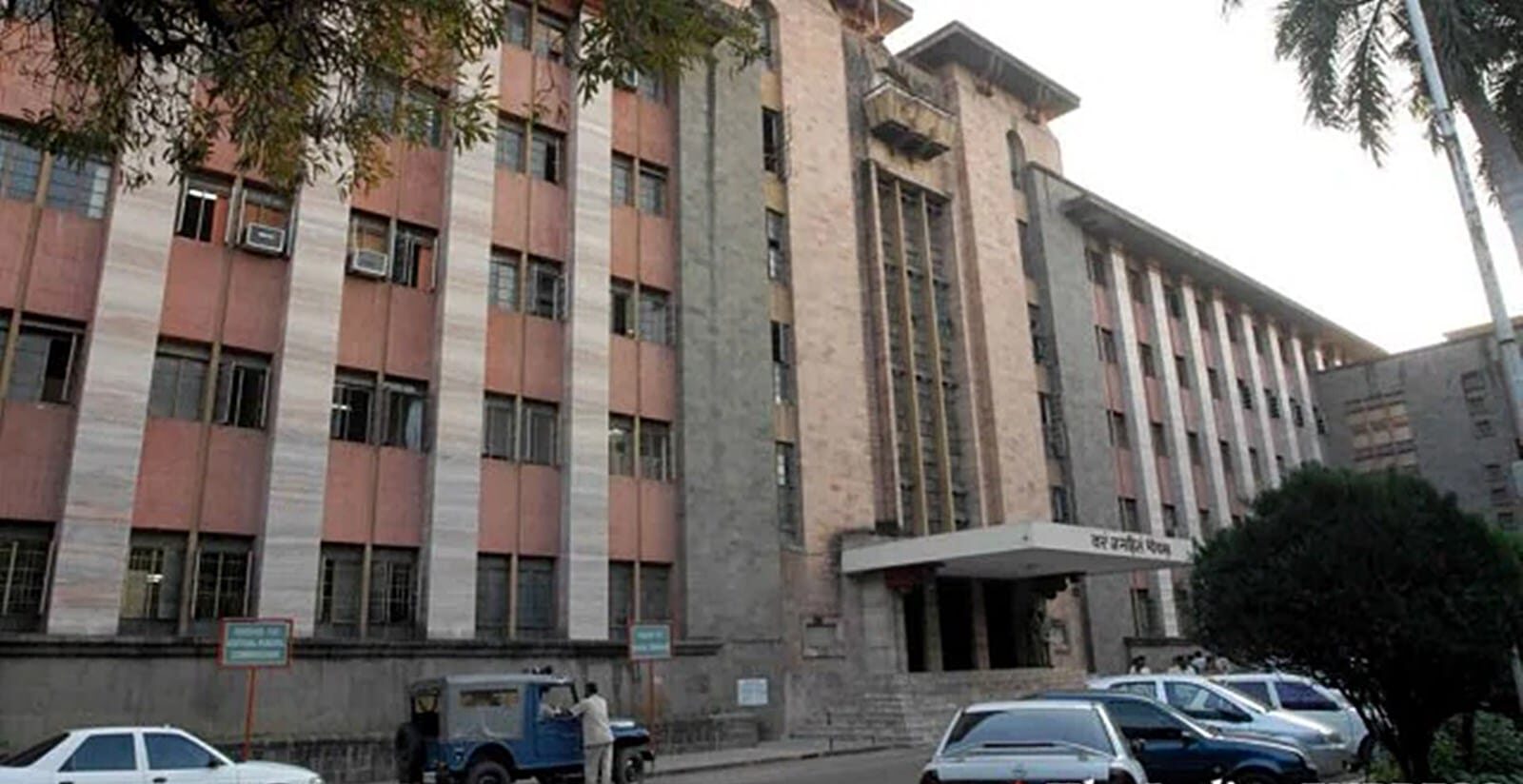
The newly formed Phursungi Municipal Council in Pune district has begun formal operations with its first general body meeting, placing core infrastructure and service delivery at the centre of its immediate agenda. The discussions signal a shift in governance for the fast-urbanising fringe area, where residents have long sought structured planning for roads, drainage and water supply.
At the inaugural session, elected representatives and officials reviewed funding availability and mapped out priority works under district-level planning allocations. Road upgrades emerged as a key focus, with proposals expected to be routed through the District Planning Committee for projects estimated at up to ₹25 crore.
The council proposed widening 25 internal roads, with five high-traffic stretches identified for urgent attention within village limits. Officials indicated that road expansion would be undertaken alongside installation of stormwater drains and underground sewage pipelines. This integrated model is designed to prevent repeated excavation and reduce disruption to residents a common complaint in expanding peri-urban settlements.
Urban planners note that Phursungi’s transition into a municipal council comes at a time when western and southern Pune are witnessing strong residential growth and warehousing activity. Without coordinated civic investment, such growth often outpaces drainage capacity and sewage networks, increasing flood risk and environmental stress. Early prioritisation of underground utilities, they say, is critical to long-term climate resilience. Water supply also featured prominently in the deliberations. Residents in several pockets have reported quality concerns and intermittent access, leading to dependence on private tankers. The Phursungi Municipal Council is expected to prepare proposals to extend pipeline networks to uncovered areas and rationalise tanker reliance. Improving treated water access could lower household costs and reduce groundwater extraction pressure.
Solid waste management was discussed as another foundational service. As densities rise, informal dumping and unsegregated waste can strain public health systems and nearby water bodies. Officials are examining mechanisms to strengthen door-to-door collection and disposal practices in line with state norms.
From a real estate and investment perspective, institutionalising civic governance through the Phursungi Municipal Council may provide greater clarity for developers and residents alike. Structured budgeting and project sequencing can improve predictability in infrastructure rollout, influencing property values and settlement patterns.
However, experts caution that implementation capacity will determine outcomes. Coordinating encroachment removal, securing technical approvals and managing contractor timelines remain operational challenges for newly constituted local bodies. The first meeting has set the tone for a service-led approach, but execution will be closely watched. As Pune’s urban footprint expands, the performance of emerging councils like Phursungi will shape whether growth translates into liveable, resilient neighbourhoods or continued infrastructure backlogs.
Pune Phursungi Civic Infrastructure Plans Outlined