


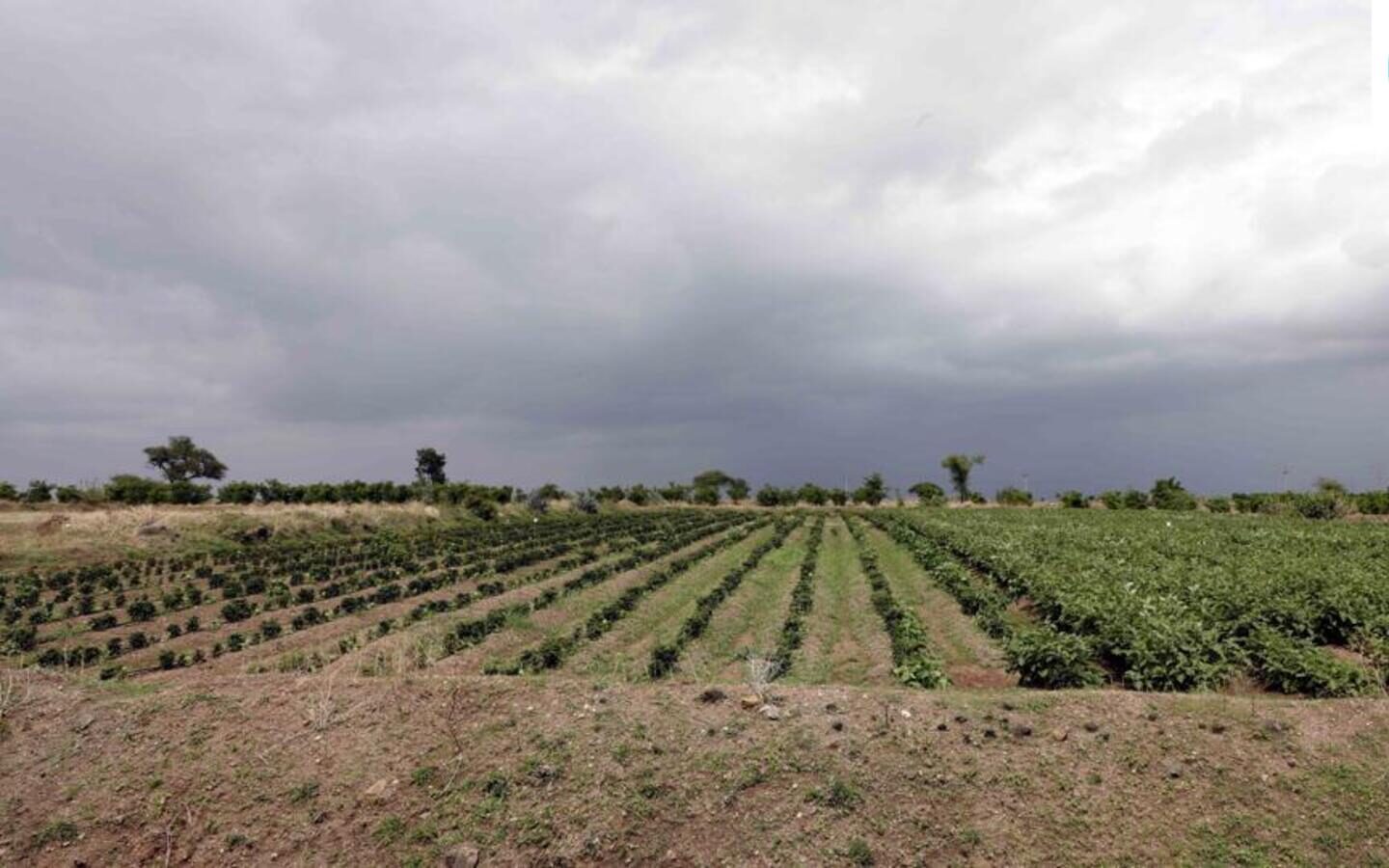
Pune’s long-delayed Purandar airport project moved a step closer to resolution this week as the district administration submitted its detailed land measurement and compensation report to the Maharashtra government. The document, prepared after months of verification, is expected to pave the way for finalising payments to farmers whose land forms the core of the proposed greenfield aviation hub.
Officials confirmed that the report, sent for approval on 11 November, consolidates plot-level measurements, supporting records and valuation data required under Section 32(1) of the Maharashtra Industrial Development Act. The provision governs acquisition for major infrastructure, including projects positioned to enhance regional connectivity and reduce pressure on saturated urban cores such as Pune. According to district authorities, around 1,285 hectares across seven villages in Purandar taluka have been earmarked for acquisition. While only a small portion—roughly 50 hectares—remains pending, several landholders have voluntarily offered an additional 240 hectares to ensure smoother planning and prevent fragmented development. Officials said this willingness reflects growing awareness of the economic potential an airport can bring to peri-urban areas, particularly in terms of jobs, mobility and local infrastructure.
A senior official involved in the process said the verification exercise took longer than anticipated due to the need to assess not only the land itself but the ancillary assets located within each parcel. These include trees, wells, irrigation infrastructure and pipelines—elements that are essential to rural livelihoods and must be fairly compensated to maintain social equity. The administration, the official added, opted for a cautious approach to avoid disputes and ensure transparency in the final valuation. The Purandar airport has been framed as a project with long-term regional benefits, but it has also raised concerns among affected communities. Several farmers have demanded higher compensation and improved rehabilitation packages, citing rising land prices and the importance of ensuring sustainable resettlement. Local representatives said these concerns have been communicated to the state, which is currently evaluating whether enhanced benefits can be included without compromising fiscal prudence.
Urban planners note that major infrastructure projects must balance economic impact with social inclusion, especially in semi-rural geographies. They argue that transparent compensation processes and participatory dialogue can help build trust and minimise resistance, enabling development that is both equitable and environmentally responsible. With airports acting as gateways for clean-energy aviation in the future, experts believe that ensuring fair land acquisition now is crucial for building resilient, citizen-centric infrastructure. Once the state government approves the submitted proposal, the district administration is expected to finalise compensation schedules by the end of the month. Officials said this will mark a significant milestone in unlocking the airport’s next phase and bringing greater clarity to hundreds of households awaiting closure on their land transitions.
Also Read : Pune Rail Officials Finish 92km Fencing Work Along Lonavla-Pune-Daund Tracks
