Pune Officials Ordered Inquiry Into Cancelled Waste Tendering Process
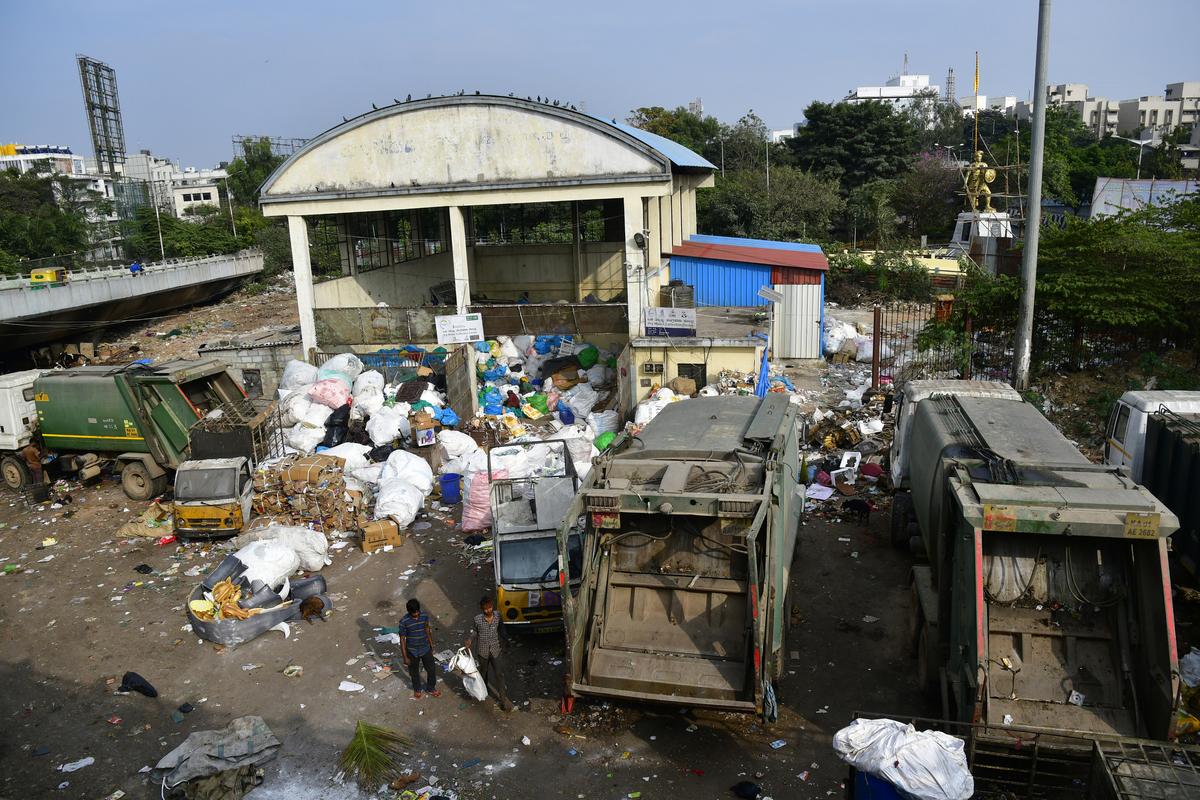
Pune’s waste management system has come under intense scrutiny as officials from the state government ordered an inquiry into recently cancelled tenders floated by the Pune Municipal Corporation (PMC). The decision follows concerns raised in the legislative assembly about the transparency of the bidding process for solid waste management and road cleaning contracts valued at ₹158 crore. Allegations of inflated costs, with bids reported to be five to seven per cent above estimated values, led to the withdrawal of the entire tendering process and a demand for accountability.
This development signals deeper challenges in the city’s approach to sustainable urban infrastructure. Waste management remains a key pillar of environmental policy, especially in urban centres like Pune, where rapid population growth exerts pressure on public services. A fair, competitive, and transparent bidding process is essential not only for financial integrity but also for ensuring that eco-friendly solutions are implemented effectively. The state’s directive to investigate both the procedural and financial dimensions of the scrapped tenders aims to uphold these standards and restore public trust. Concerns raised in the assembly also questioned the expenditure already incurred by the civic body during the short-lived tendering exercise. Officials responded by stating that any financial lapses found during the inquiry could lead to recovery actions against those responsible.
Such statements underscore a growing awareness among governing bodies about the need for stronger fiscal discipline in public procurement, especially when dealing with essential services tied to environmental and public health outcomes. In addition, the call for wider scrutiny into other ongoing tenders within the PMC reflects an emerging trend in civic oversight. As cities invest heavily in solid waste infrastructure to meet both sustainability targets and citizen expectations, procedural flaws can have long-term environmental and economic consequences. Transparent tendering not only ensures that public funds are efficiently utilised but also enables the adoption of technologies and processes aligned with zero-waste and circular economy goals.
With cities like Pune aiming to become models of clean and sustainable urban living, governance reforms in public tenders are an important step. The state government’s proactive stance could lead to policy shifts in how civic bodies manage high-value urban services, setting a precedent for other municipalities across India. Greater transparency and public accountability in waste management projects are essential to meet the dual goals of ecological integrity and urban resilience.