


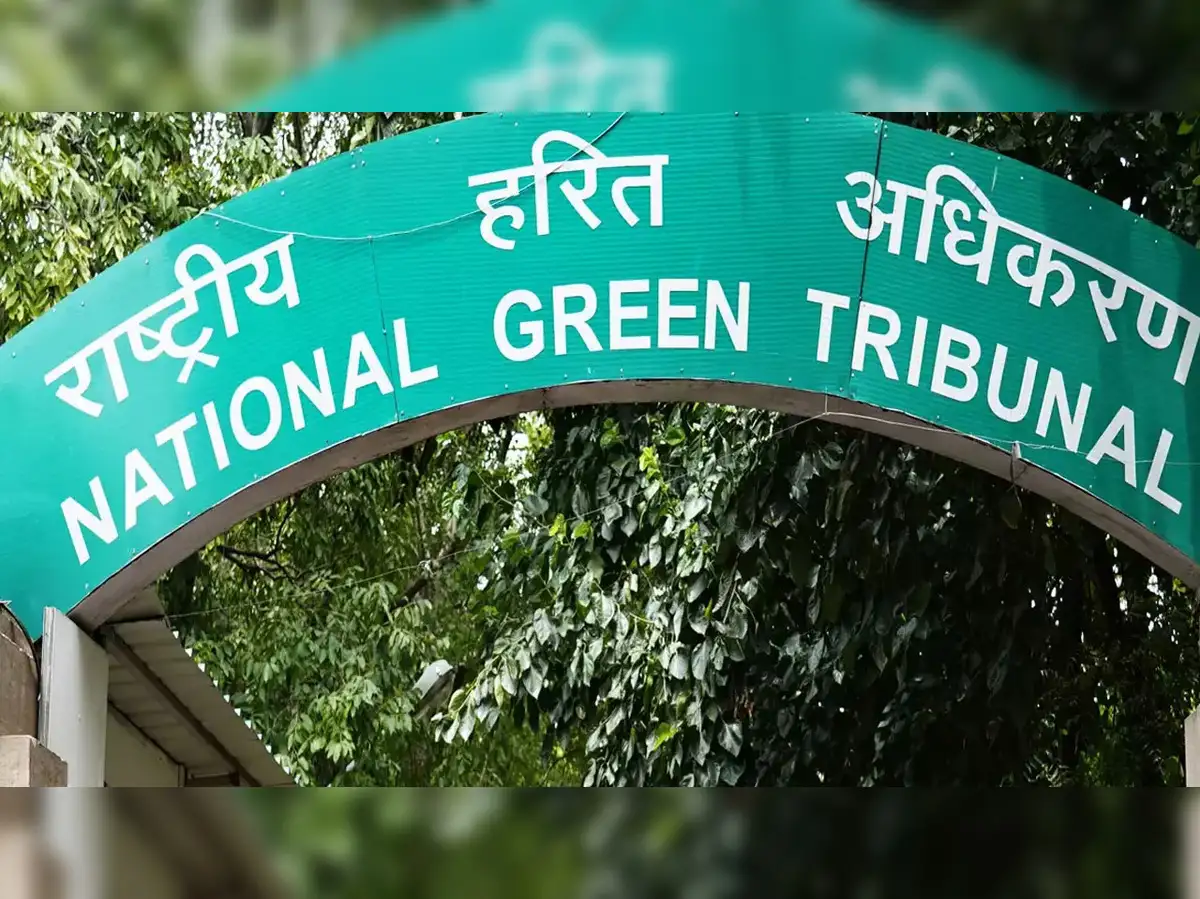
Urban expansion and development projects intensify pressures on natural ecosystems, the National Green Tribunal (NGT) is increasingly becoming the forum of choice for environmental activists seeking legal redress. The Western Bench of the NGT, strategically located in Pune, has emerged as India’s second-busiest judicial body dedicated to environmental issues, handling a significant 632 petitions in the past year alone. This surge in litigation underscores the growing ecological threats faced by the region and highlights the public’s escalating reliance on a specialised judicial mechanism to safeguard green spaces and ensure sustainable urban living.
Between June 2024 and May 2025, the Pune-based Western Bench, which holds jurisdiction over Maharashtra, Gujarat, Goa, and the Union Territories of Daman and Diu, and Dadra and Nagar Haveli, successfully resolved 368 cases. However, a substantial backlog persists, with 1,247 petitions, encompassing both new filings and pre-existing cases, still pending resolution. This high caseload reflects the complex interplay of rapid urbanisation, industrial activities, and the imperative for environmental protection across one of India’s most economically dynamic regions. The Tribunal, established in 2010, marks its 14th year in Pune in 2025, continually adapting to evolving environmental challenges.
Environmental advocates emphasise the NGT’s crucial role in not only upholding environmental statutes but also ensuring citizen safety and promoting awareness. Advocates like Shivshankar Swaminathan commend the Tribunal for “bringing more awareness about environmental issues, through its work and functioning, thus gaining popularity for all the right reasons.” Citizens, often with legal assistance, are increasingly approaching the NGT to address violations such as unauthorised constructions, waste management failures, and pollution. The Tribunal’s unique ability to take suo moto cognisance of issues highlighted in news reports and social media further democratises access to environmental justice.
However, the growing reliance on the NGT also brings challenges into sharper focus. Asim Sarode, former President of the NGT (Western Zone) Bar Association, has called for significant reforms in the work culture of the Pune bench. He expressed concern that the relatively modest number of annual filings, despite the vast jurisdiction of the Western Zone, might indicate a “declining faith of common people.” He recalls a “golden period” when judges, driven by strong environmental perspectives, prioritised the “speechless entity” of the environment, but suggests a shift towards a more “hyper technical and procedural stance” since 2018, potentially diluting the Tribunal’s original mission.
Despite these critical observations, there remains a strong undercurrent of faith in the judiciary. Kalpesh Yadav, President of the Discipline Punekars Forum, affirms that citizens approach the NGT as a last resort when state and local bodies fail to act against projects violating environmental clearances. He states, “There is no doubt that Tribunal definitely takes strict action against such construction projects as per the law. We have faith in the judiciary.” This ongoing trust underscores the NGT’s indispensable role in holding developers and authorities accountable, ensuring that economic progress does not come at the irreparable cost of ecological degradation. For cities striving for zero net carbon, eco-friendly, and equitable development, a robust and responsive environmental judiciary like the NGT is not merely an option, but an absolute necessity.
Also Read: India Trials Plastic Waste Geocells for Sustainable Road Construction
