Pune Nashik Semi High Speed Rail DPR Finalized To Boost Growth And Protect GMRT
The Detailed Project Report for the Pune–Ahilyanagar–Shirdi–Nashik semi-high-speed rail corridor has been finalized by Central Railway. This significant milestone marks a crucial step forward for Maharashtra’s transport infrastructure, with the DPR scheduled for submission to the Railway Ministry this week after a final internal review. A notable development in the project’s planning is the strategic adjustment of the route to bypass the globally significant Giant Metrewave Radio Telescope (GMRT) in Junnar, ensuring its operational integrity through specialized engineering, including overpasses and tunnels.
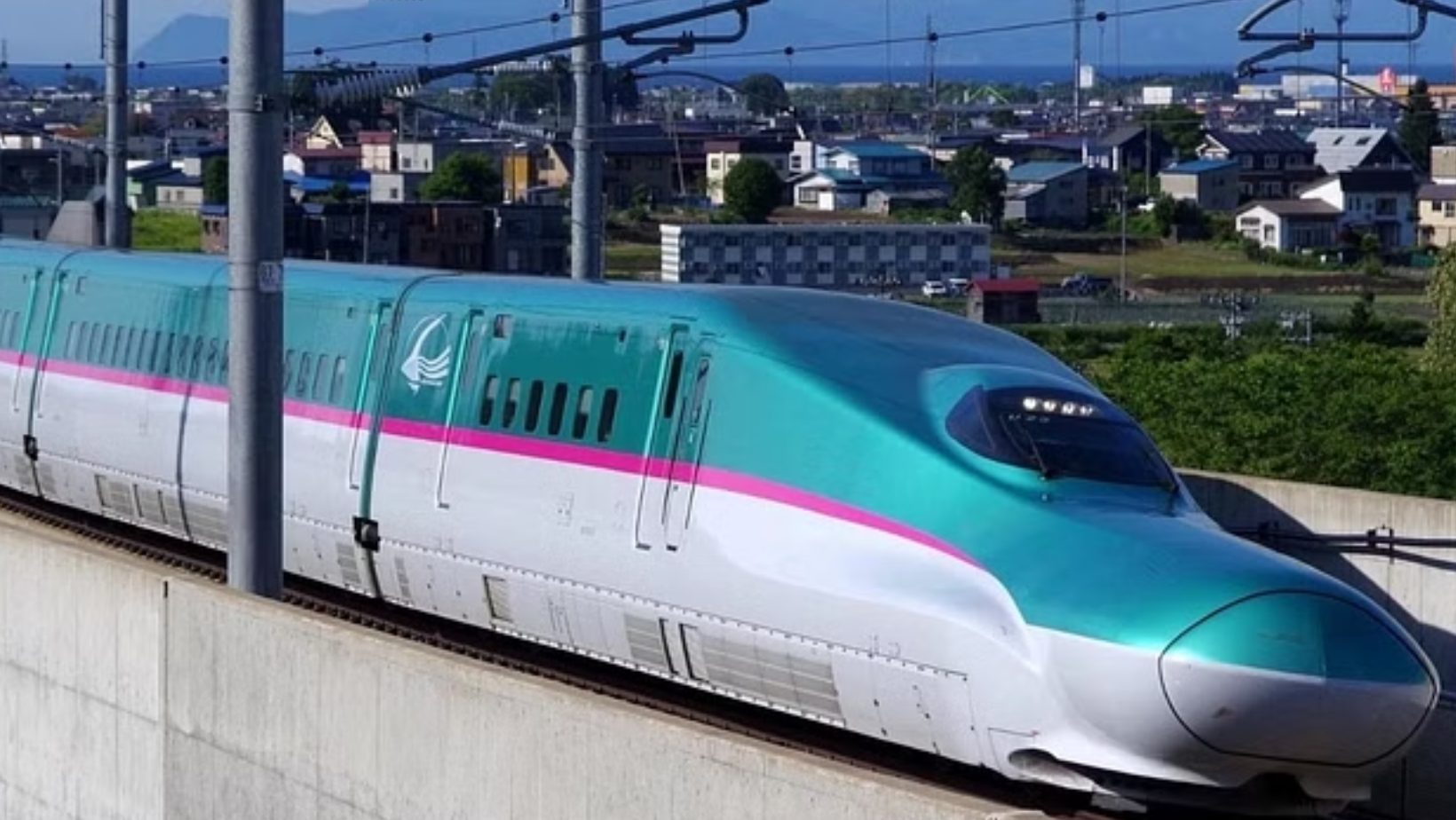
The proposed rail corridor stretches approximately 235 kilometres and is designed to accommodate trains traveling at a top speed of 200 km/h. The project comes with an estimated cost of ₹16,000 crore and is anticipated to be completed within 3.5 years. It will feature 24 stations, comprising 13 major and 11 minor stops, facilitating extensive regional connectivity. Although the revised alignment might marginally increase travel time between Pune and Nashik by up to 45 minutes, this adjustment significantly mitigates land acquisition challenges and reduces potential environmental risks, balancing connectivity with critical ecological and social considerations.
Beyond enhancing passenger mobility, the semi-high-speed rail line is expected to serve as a catalyst for economic growth. It will support industrial development and facilitate agricultural transport across Western and Northern Maharashtra, with the Ahilyanagar belt positioned as a key strategic link. Furthermore, the project aims to boost tourism, particularly to Shirdi, and reduce reliance on road transport, thereby easing highway congestion and contributing to a notable reduction in carbon emissions. The completion of this DPR brings the region closer to realizing a transformative rail link.
The project’s approval and subsequent execution will be pivotal for Maharashtra’s progress. It promises to integrate key cities with modern, sustainable transport solutions, fostering enhanced economic vitality, promoting environmental sustainability, and ensuring smoother, more efficient travel for residents and visitors alike.