


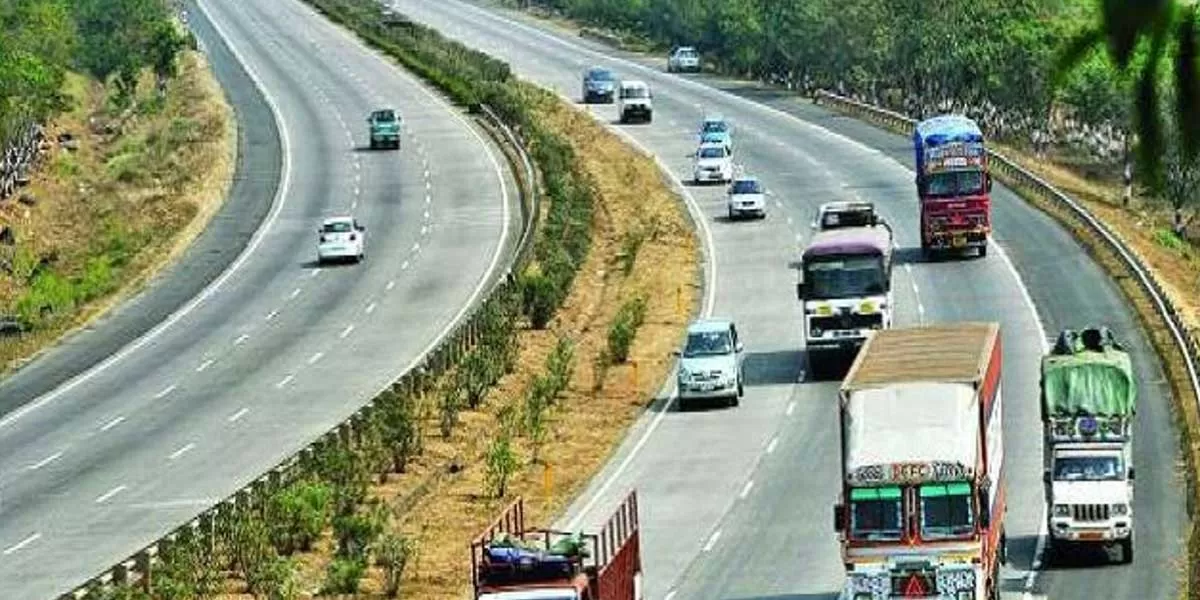
Travel time between Pune and Nashik, currently close to two hours, is expected to shrink to just 20 minutes as work begins on a 28-km elevated highway corridor. The project, which will connect Nashik Phata to Rajgurunagar along National Highway 60, has entered the land acquisition phase and is being hailed as one of the most significant mobility upgrades for the Pune Metropolitan Region.
The elevated corridor aims to decongest one of Maharashtra’s busiest road stretches, where industrial hubs like Chakan face relentless traffic snarls that slow down both freight and passenger movement. By cutting down on bottlenecks, the new route is expected to drastically reduce idling vehicles and associated fuel consumption, contributing to cleaner air and sustainable mobility across the region.Authorities confirm that the highway will pass through key areas such as Nanekarwadi, Medankarwadi, Waki Khurd, Waki Budruk, Chimbali, Kuruli and Chakan. Dedicated bypasses and access ramps are also being designed for areas like Kadachi Wadi and Kharabwadi to ensure smoother traffic dispersal. Experts say the corridor could transform daily commuting patterns while boosting industrial productivity by offering faster, more predictable road logistics.
The project is part of a larger plan to upgrade regional connectivity. Parallel to this highway development, the Pune Metropolitan Region Development Authority (PMRDA) has been driving multiple road expansion projects, including stretches from Balewadi to Shedge Vasti, Surya Hospital to Thakar Vasti, and Nande-Man Road. Work is also advancing on the ambitious Pune Ring Road, which is expected to divert long-haul vehicles away from city roads and free up intra-city traffic.Transport specialists argue that the highway is not just about speed, but also about sustainability. A faster elevated corridor can reduce vehicular emissions, lower fuel wastage and help India progress towards its net-zero carbon commitments. With Pune’s industrial footprint rapidly growing, infrastructure of this scale is critical to balancing economic growth with environmental responsibility.
Beyond industry and mobility, the corridor holds significance for ordinary citizens who face long hours of commute daily. The shift from two hours to 20 minutes could redefine the way people live and work in the region, unlocking new residential and commercial possibilities along the route. Urban planners also suggest that such projects, if integrated with greener transport modes, could set benchmarks for equitable and sustainable urban growth across Indian cities.While challenges such as land acquisition delays and execution hurdles remain, officials maintain that the highway will be delivered in phases with a clear focus on reducing congestion and improving connectivity. For Pune, this project symbolises more than faster travel it marks a decisive step towards a future where mobility, growth and sustainability go hand in hand.
Also Read : Pune Gears Up For Ganeshotsav With Traffic Diversions And Civic Arrangements
Pune Nashik elevated highway cuts travel from 2 hours to 20 minutes
