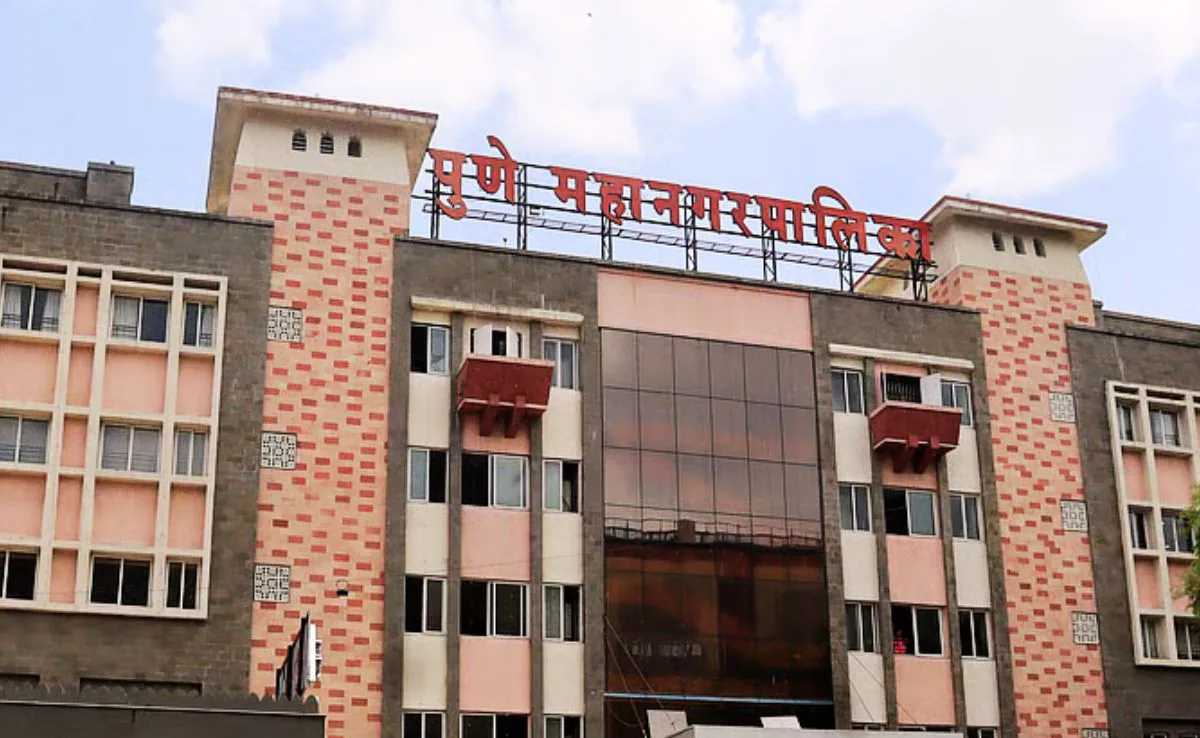
Pune’s municipal administration is introducing stricter procurement rules to curb unrealistically low bids in civic tenders, a move aimed at protecting construction quality in public infrastructure projects. The policy shift, expected to take effect with the new financial year, reflects growing concern among city officials that aggressive underbidding by contractors has contributed to compromised materials, delayed execution and recurring repairs across several municipal works.
Under the revised framework, bids significantly lower than the estimated project cost will no longer qualify during tender evaluation. Municipal officials indicated that the new threshold will allow only moderate reductions from the estimated value, ensuring contractors price projects within realistic financial and technical limits. The decision marks a structural change in how the city approaches PMC civic tenders, which govern everything from road construction and drainage networks to public facilities and neighbourhood infrastructure.
Procurement experts note that extremely discounted bids often create long-term challenges for cities. Contractors seeking to recover losses may reduce material quality, extend project timelines, or rely on variations and revised budgets later in the execution stage. Urban governance specialists say the updated PMC civic tenders policy is intended to break this cycle and bring greater transparency and accountability to public works spending. The reform comes at a time when Pune is expanding rapidly, with newly merged villages and growing residential corridors increasing the demand for roads, water supply systems and stormwater infrastructure. Reliable tendering mechanisms are therefore seen as central to ensuring that municipal investments translate into durable assets for citizens rather than recurring maintenance liabilities.
City officials reviewing ongoing procurement also indicated that a number of projects currently under consideration were initiated during a period when the municipal corporation was functioning under administrative oversight rather than elected governance. While these tenders continue to be processed, authorities have signalled that projects may be reassessed if technical or financial irregularities are detected during scrutiny. Parallel discussions within the civic body have also focused on the rise of unauthorised construction in several expanding neighbourhoods. Recent enforcement drives in eastern Pune uncovered multiple multi-storey structures built without regulatory clearance, raising concerns about safety and planning compliance.
To address this, engineering departments have been directed to intensify monitoring and submit periodic field reports identifying illegal developments within their jurisdictions. Urban planning experts say tighter construction oversight and stronger procurement systems must work together. Without reliable civic contracting and enforcement mechanisms, rapidly growing cities risk infrastructure gaps, environmental stress and unsafe buildings.
In a related decision, the municipal corporation has also paused a large tender linked to a proposed tree census in newly incorporated urban villages. Officials reviewing the project indicated that the exercise may be redesigned to reduce costs and involve civic departments, academic institutions and environmental organisations more effectively. For Pune, where infrastructure expansion must keep pace with population growth and climate pressures, reforms in procurement and oversight represent an early step toward building more resilient and accountable urban systems.
Pune Municipal Tender Rules Reset For Project Quality