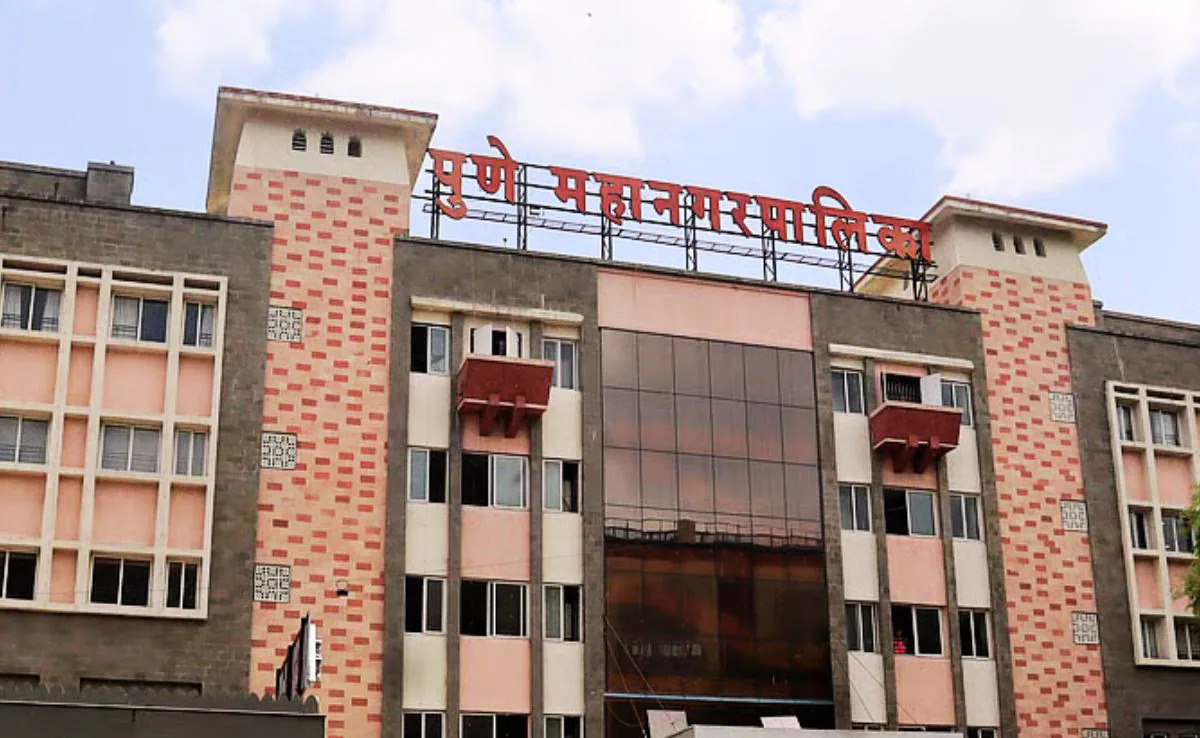
Pune Municipal Corporation Plans Civic Coordination Overhaul
Pune’s civic administration is reshaping how the city manages everyday infrastructure, signalling a shift from project-heavy governance to continuous urban maintenance. The Pune Municipal Corporation has constituted a permanent inter-departmental coordination mechanism aimed at resolving routine civic failures that affect mobility, safety, and public spaces across the city in 2026 and beyond. The newly formed coordination cell brings together multiple state and city agencies that typically operate in silos, often leading to repeated road digging, unfinished footpaths, and delays in basic services. Urban planners say the move reflects growing recognition that city liveability depends less on landmark projects and more on consistent upkeep of shared infrastructure.
According to senior civic officials present at the inaugural review meeting, the city’s priorities for the coming year include repairing pedestrian infrastructure, stabilising road surfaces, reducing utility-related disruptions, and improving cleanliness outcomes. While large transport and real estate-linked infrastructure will continue, the administration is recalibrating focus toward smaller interventions that collectively shape daily urban experience. The PMC civic coordination framework draws operational lessons from a recent international cycling event, where multiple departments synchronised timelines to deliver rapid upgrades along major corridors. Nearly 75 kilometres of roads and footpaths were refurbished under a single command structure an approach officials now want to institutionalise. Urban governance experts say such coordination reduces lifecycle costs of roads, lowers emissions from repeated construction, and improves safety for non-motorised users.
One of the most complex challenges identified is the relocation of electricity poles and overhead feeders that obstruct widened carriageways and footpaths. With utilities lacking earmarked funds for relocation, the municipal budget is expected to absorb part of the cost. Officials estimate that several lakh poles will need phased repositioning, underscoring the scale of legacy infrastructure constraints in fast-growing cities. The review also assessed citywide maintenance backlogs, including thousands of damaged underground chamber covers that pose safety hazards. Expanding repairs across all wards is expected to reduce accidents and waterlogging while extending the life of underground networks. Separately, land acquisition bottlenecks affecting road projects are set to be fast-tracked through closer coordination with district authorities.
Newly merged villages on Pune’s periphery are also part of the agenda. Development works there will be aligned with metropolitan planning agencies to ensure roads, drainage, and basic services keep pace with residential expansion an issue closely watched by the real estate sector. Industry observers note that if sustained, the PMC civic coordination approach could mark a structural shift in Indian urban management, moving cities closer to predictable service delivery, climate-resilient infrastructure, and people-first streets. Monthly reviews and cross-agency accountability will determine whether this governance experiment translates into visible change on the ground.