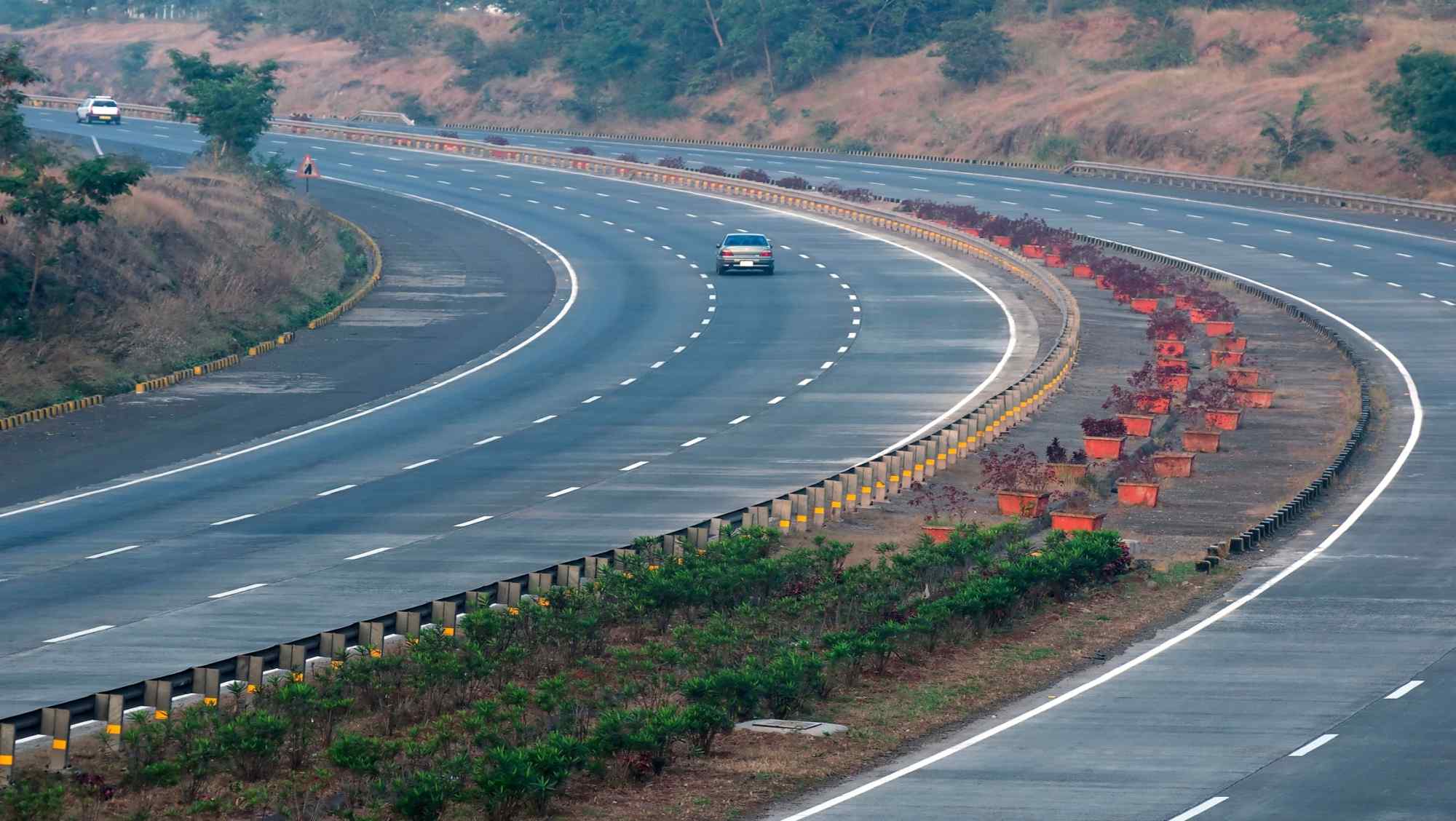
A 32-hour traffic standstill on the Mumbai–Pune Expressway earlier this month has triggered a policy rethink on toll accountability, after the concessionaire agreed to process a toll refund for motorists charged during the disruption. The gridlock followed the overturning of a propylene gas tanker near Adoshi, forcing authorities to shut the Pune-bound carriageway for safety checks and clearance operations. The prolonged closure paralysed one of western India’s most critical economic arteries. Stretching roughly 95 kilometres, the access-controlled corridor links the financial capital with a major manufacturing and IT hub, supporting daily freight movement, intercity commuting and real estate growth along the Mumbai Metropolitan Region–Pune belt. With thousands of vehicles stranded for hours, logistics chains and business schedules were significantly affected.
The controversy intensified when commuters reported that toll collection continued at the Khalapur plaza despite the near-static traffic conditions. Public frustration quickly spilled into political engagement, prompting discussions between representatives of the Maharashtra State Road Development Corporation (MSRDC), the private concessionaire operating the expressway, and traffic authorities. Following these meetings, the operator confirmed that a toll refund would be extended to those who paid while trapped in the congestion. However, the mechanism, eligibility verification process and disbursal timeline remain unclear. Officials indicated that data from electronic toll collection systems would likely be used to identify affected vehicles.
The episode raises larger questions about user rights and service guarantees in India’s toll-based infrastructure model. Urban mobility experts note that access-controlled highways are priced on the premise of speed, safety and reliability. When those conditions are compromised for extended periods, transparent refund protocols become critical to maintaining public trust. Beyond compensation, the incident has also spotlighted gaps in emergency preparedness on high-speed corridors. Motorists reported limited access to sanitation, drinking water and infant care facilities during the prolonged halt. Urban planners argue that climate-resilient and people-centric highway design must integrate contingency amenities, especially as extreme weather events and hazardous material transport risks increase.
Illegal towing practices were also flagged during the disruption, highlighting regulatory grey areas in roadside assistance services. Infrastructure economists say that clearer service-level agreements and real-time communication systems are essential for modern expressways serving dense metropolitan regions. For a corridor that underpins regional economic integration and real estate expansion between Mumbai and Pune, operational resilience is not a peripheral issue. As traffic volumes continue to rise, the current toll refund assurance may serve as a catalyst for reviewing emergency protocols, concession agreements and commuter safeguards across Maharashtra’s tolled highways. Whether this incident leads to formalised compensation frameworks and upgraded passenger amenities could shape how India’s urban expressways balance revenue models with citizen accountability in the years ahead.