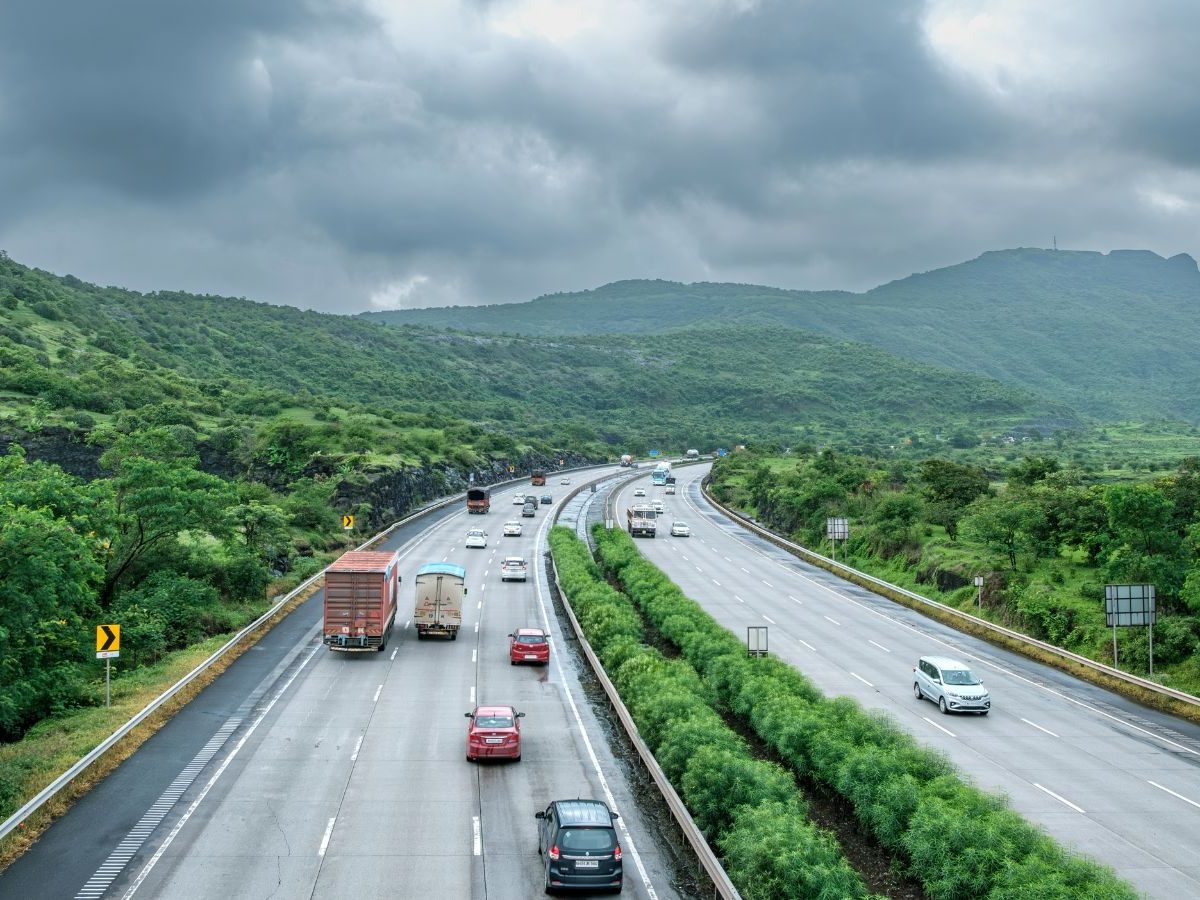
The Maharashtra government has shelved plans to deploy an air ambulance service on the Mumbai–Pune Expressway, choosing instead to strengthen ground-based trauma response systems along one of India’s busiest intercity corridors. The decision reflects a growing recalibration of how emergency infrastructure is designed for complex, climate-sensitive transport networks and raises questions about cost, terrain, and long-term urban resilience. The Mumbai–Pune Expressway cuts through ecologically sensitive ghat sections and hilly terrain that present persistent challenges for rapid emergency response. While an air ambulance was explored as a solution to bypass traffic congestion and difficult topography, officials overseeing the corridor concluded that helicopter-based evacuation would be operationally unreliable and financially unsustainable in the local context.
According to senior officials involved in expressway operations, the corridor lacks adequate flat land parcels required for safe helicopter landing and emergency manoeuvring. Seasonal weather conditions including dense winter fog and intense monsoon rainfall further limit aerial visibility and flying windows. These constraints, combined with high per-hour operational costs running into several lakh rupees, ultimately outweighed the perceived benefits. Instead, authorities are pivoting towards upgrading trauma care centres located at strategic intervals along the expressway. These facilities are being equipped with faster triage systems, advanced life-support equipment, and improved ambulance connectivity to nearby urban hospitals. The focus is on reducing response times through decentralised, on-ground infrastructure rather than relying on high-cost aviation assets.
Urban planners and mobility experts note that this approach aligns more closely with sustainable transport planning. Investing in fixed medical infrastructure reduces carbon intensity, avoids noise pollution in ecologically fragile zones, and ensures consistent service availability regardless of weather. It also creates local employment opportunities and strengthens regional healthcare capacity, a critical factor as peri-urban development expands along major transport corridors. Data trends appear to support the policy shift. Accident rates on the Mumbai–Pune Expressway have declined over the past two years, coinciding with the rollout of intelligent traffic management systems and AI-enabled surveillance. Automated speed monitoring, lane discipline enforcement, and real-time incident detection have collectively improved road safety outcomes, reducing both accidents and fatalities.
From an economic standpoint, infrastructure analysts say the decision reflects a broader governance trend: prioritising cost-effective, scalable solutions over headline-grabbing but high-risk interventions. As expressways increasingly function as urban spines connecting residential hubs, logistics parks, and industrial zones, emergency planning must balance speed with reliability and environmental responsibility. Looking ahead, experts suggest the next phase should focus on integrating trauma centres with digital emergency response platforms, real-time traffic data, and urban hospital networks. As climate variability intensifies and traffic volumes grow, resilient, people-first infrastructure rather than singular technological fixes is likely to define the future of expressway safety across India.