Pune Mumbai Expressway Faces Prolonged Traffic Disruption
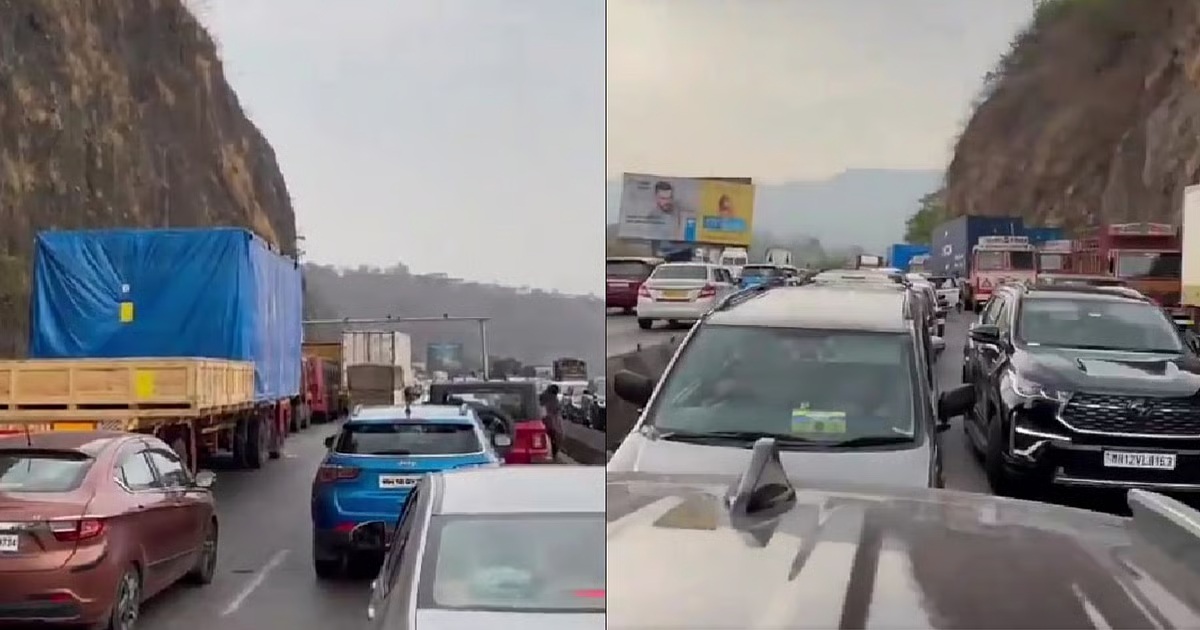
A major traffic disruption on the Mumbai Pune Expressway stretched well beyond a routine accident this week, underlining the vulnerability of India’s most critical urban mobility corridors to single-point failures. A hazardous materials incident in the Khandala Ghat section brought traffic on the expressway to a near standstill for over 30 hours, leaving thousands of commuters stranded across a 20-kilometre stretch of one of western India’s busiest economic lifelines.
The Mumbai Pune Expressway, a 94.5-kilometre access-controlled highway linking the Mumbai Metropolitan Region with Pune’s industrial and technology clusters, was partially shut after a gas tanker overturned on a steep gradient. Authorities halted movement as a safety precaution due to the highly inflammable nature of the cargo, triggering cascading congestion across both the expressway and adjoining arterial roads. By the time traffic was formally restored in the early hours of Thursday, the human impact of the delay had become visible. Many motorists had remained inside their vehicles overnight without access to basic amenities, while long queues persisted near major nodes such as Lonavala and Vadgaon Maval. Traffic personnel were required to physically move along lanes to alert drivers who had parked and rested, slowing the process of restoring normal flow.
Urban transport specialists note that the episode highlights structural challenges facing the Mumbai Pune Expressway as traffic volumes rise faster than contingency capacity. Designed as a high-speed corridor, the expressway lacks parallel service infrastructure capable of absorbing prolonged stoppages, particularly when hazardous cargo is involved. “A single incident can immobilise the entire corridor, which has implications not just for commuters but for supply chains, logistics, and regional productivity,” said a senior transport planner familiar with expressway operations. The economic consequences extend beyond delayed journeys. The Mumbai Pune Expressway supports daily movement of industrial goods, construction material, and workforce mobility between two major urban economies. Extended closures disrupt just-in-time supply systems, increase fuel consumption through idling, and elevate emissions running counter to regional climate resilience goals.
Emergency response agencies, including disaster management teams and energy-sector specialists, coordinated to secure the accident site and safely clear the tanker. While the technical response followed protocol, urban policy experts argue that prevention and preparedness require renewed focus. Improved slope safety measures, stricter scheduling for hazardous cargo movement, and real-time diversion planning could reduce systemic risk. As metropolitan regions expand and inter-city travel intensifies, the incident serves as a reminder that resilient infrastructure is not only about speed and scale but also redundancy and human-centred design. For planners and policymakers, strengthening the Mumbai Pune Expressway’s operational resilience will be critical to sustaining inclusive economic growth across Maharashtra’s most connected urban corridor.