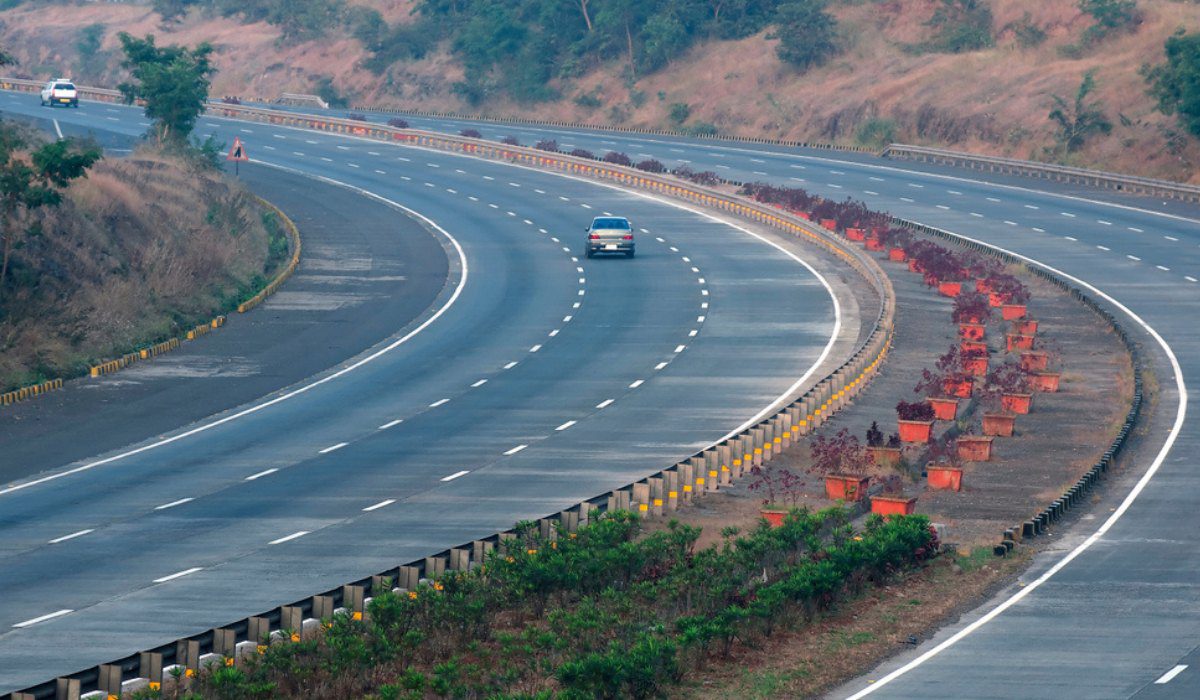
A new high-speed Pune–Mumbai Expressway has moved a step closer to reality after the National Highways Authority of India cleared the detailed project report, signalling a major upgrade to one of western India’s most heavily used intercity corridors. Designed as an eight-lane, access-controlled road, the project aims to cut travel time between the two cities to around 90 minutes while easing congestion and safety pressures on the existing route.
The proposed expressway, estimated to cost nearly ₹15,000 crore, reflects the growing strain on the current Mumbai–Pune Expressway, which has reached capacity due to rising commuter traffic, freight movement and weekend tourism. Transport planners say the new alignment is intended not as a replacement, but as a parallel high-capacity corridor that distributes traffic more evenly across the region. According to highway officials, the Pune Mumbai Expressway will integrate seamlessly with major infrastructure projects at both ends. On the Mumbai side, it will link with the Atal Setu and surrounding arterial roads, while in Pune it will connect to the city’s upcoming Ring Road. Together, these links are expected to create a continuous, high-speed mobility spine across western Maharashtra, improving access for workers, logistics operators and regional businesses.
Urban mobility experts note that faster intercity travel has broader economic implications. Reduced journey times can expand labour markets, support decentralised employment hubs and improve productivity across metropolitan regions. At the same time, access-controlled expressways typically improve road safety by separating local and long-distance traffic, a key concern on the existing corridor. Officials involved in the project have indicated that construction will begin once final statutory and environmental approvals are secured, with a targeted completion timeline of around three years. Industry analysts caution, however, that land acquisition and ecological clearances will be critical determinants of the schedule, particularly given the sensitive terrain along parts of the Western Ghats.
From a sustainability perspective, planners emphasise that the new Pune Mumbai Expressway must be complemented by parallel investments in public transport and low-emission mobility. While high-speed roads improve efficiency, long-term urban resilience will depend on balancing road expansion with rail, electric mobility and transit-oriented development to prevent car-dependent sprawl. As Maharashtra continues to urbanise rapidly, the project underscores the need for integrated regional planning that prioritises safety, efficiency and environmental responsibility. If executed carefully, the expressway could become a model for how large-scale road infrastructure supports inclusive growth while aligning with cleaner, more resilient city futures.
Pune Mumbai Expressway DPR Approved Promising 90 Minute Travel Time Eight Lane