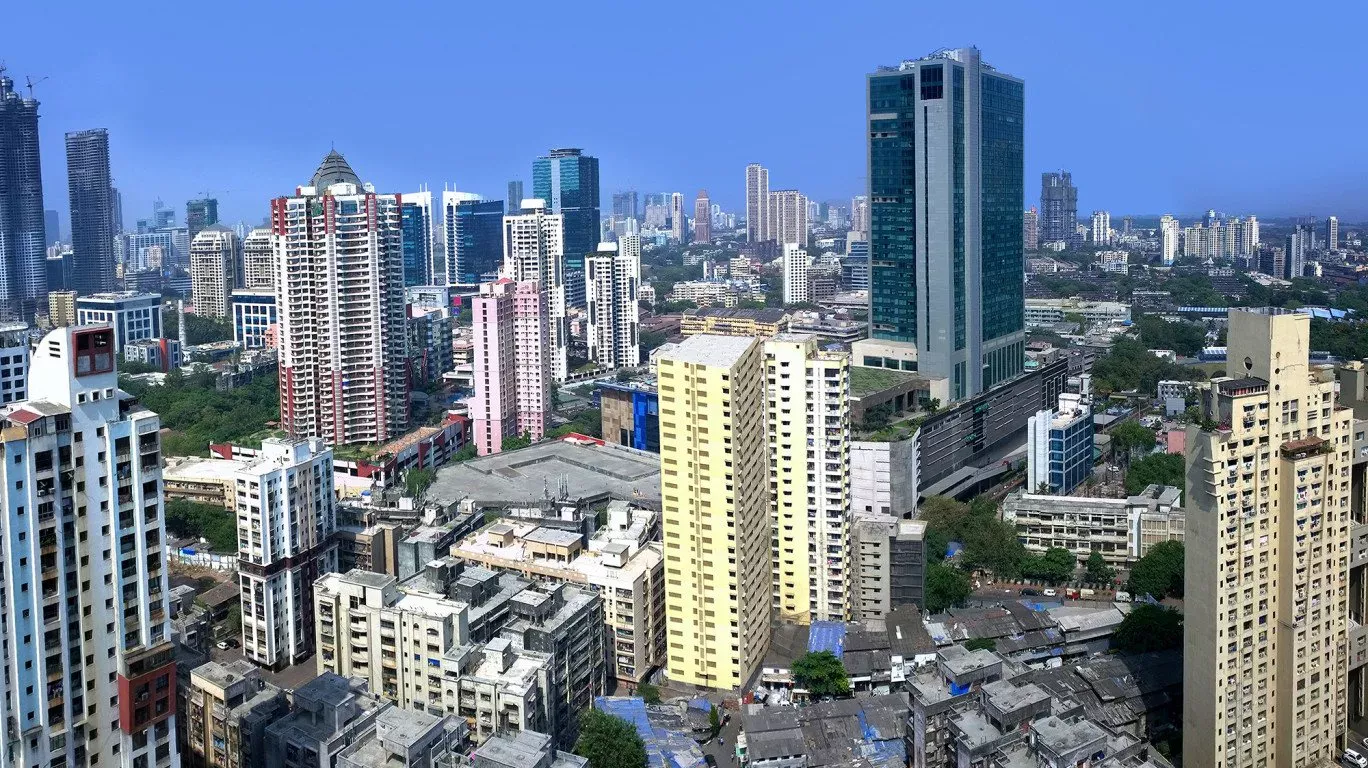
Property valuation in Maharashtra’s largest urban regions is set for a structural reset, with authorities preparing to introduce a micro-zoning framework to refine ready reckoner rates in cities such as Pune and the Mumbai Metropolitan Region. The move, expected to roll out from 2027, aims to align official property values more closely with on-ground realities, potentially reshaping how real estate transactions are priced and taxed.
Currently, ready reckoner rates are determined using broad geographic zones, often grouping together neighbourhoods with vastly different housing typologies and market dynamics. This has led to persistent distortions, where older housing stock and informal settlements are assigned values comparable to premium developments located nearby. The planned shift to ready reckoner rates based on micro zoning is expected to address these inconsistencies. Officials indicate that the new system will rely on Geographic Information System mapping to create a granular, digital database of land parcels and built properties. This would allow valuation at a far more localised level, potentially distinguishing between buildings on the same street based on factors such as age, use, and infrastructure access. The revised ready reckoner rates are expected to be made publicly accessible through digital platforms, improving transparency in the property market.
For homebuyers, particularly those purchasing smaller or older units, the reform could have immediate financial implications. Under the existing framework, stamp duty is often calculated on inflated benchmarks influenced by nearby high-end projects. By recalibrating ready reckoner rates using micro zoning, authorities aim to reduce such disparities and create a more equitable system of property taxation. Real estate analysts suggest that the transition could also improve market efficiency. When official valuations diverge significantly from actual transaction prices, it can distort lending, taxation, and investment decisions. A more accurate ready reckoner rates framework may help narrow this gap, offering clearer signals to developers, financial institutions, and policymakers.
The implications extend beyond transactions to urban planning and governance. Granular property data can support better infrastructure planning, land use management, and service delivery. Urban planners note that such datasets can be integrated with broader city systems, including transport networks and environmental monitoring, contributing to more responsive and climate-aware urban development. Developers have largely welcomed the proposal, viewing it as a step towards rationalising pricing benchmarks across diverse housing segments. However, they caution that implementation will require consistent data updates and coordination across departments to ensure reliability over time.
The rollout in Pune and the Mumbai Metropolitan Region is likely to serve as a test case before wider adoption across Maharashtra. Given the complexity of urban land markets, the success of the initiative will depend on execution, data accuracy, and public accessibility. As cities continue to expand and diversify, the evolution of ready reckoner rates through micro zoning could mark a shift towards more transparent and inclusive property markets. The coming years will determine whether this approach can balance fiscal objectives with the need for fairness and affordability in urban housing.
Pune MMR Property Values Shift With Micro Zoning