


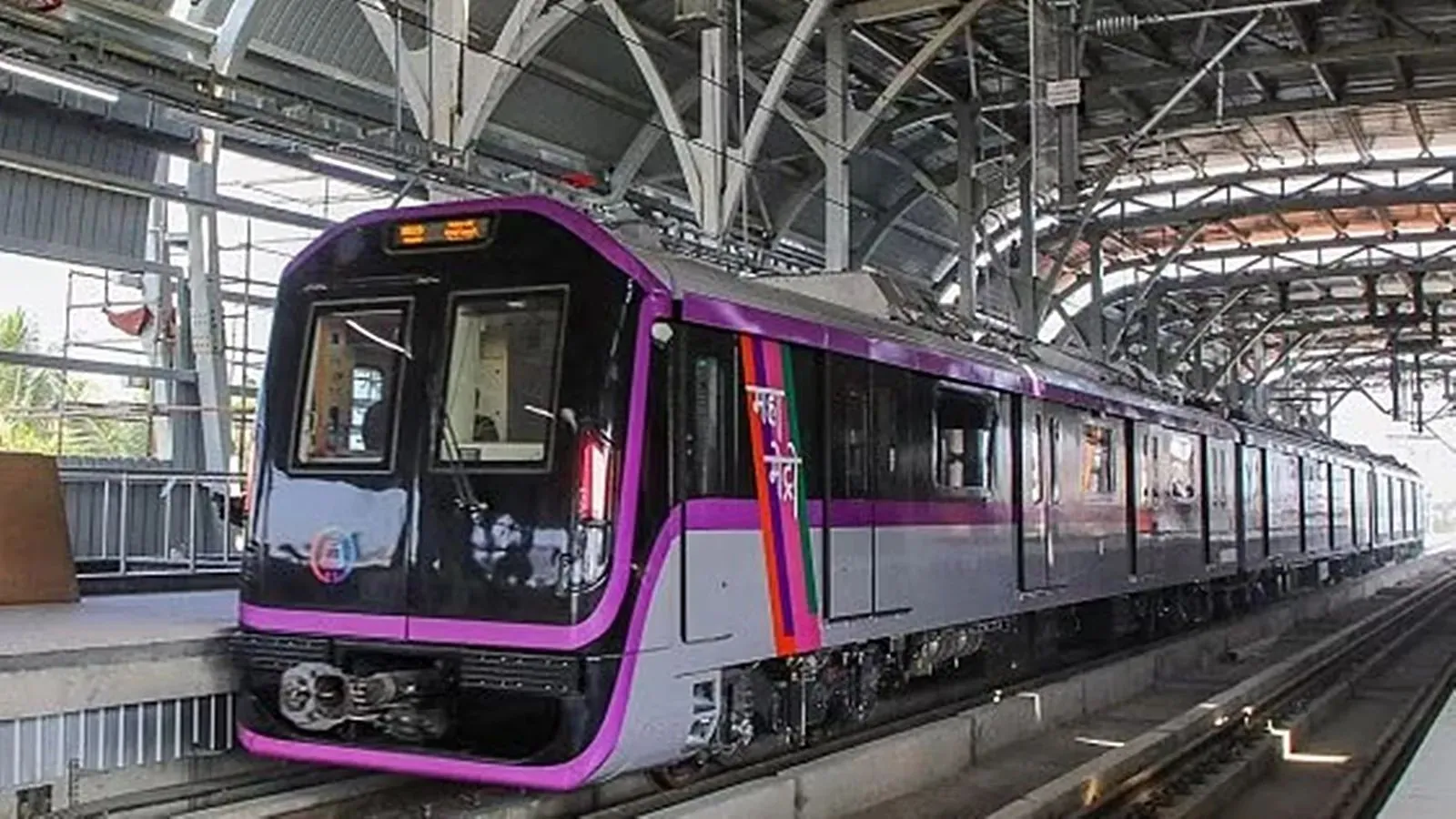
Pune Metro is preparing to ramp up its operations with plans to run trains every three minutes between Swargate and Civil Court stations during Ganeshotsav, as ridership continues to climb and pressure mounts for improved services. Daily passenger traffic on the network has crossed 2.25 lakh within six months of operations, prompting the metro authority to explore options to manage the surge expected during the festive season.
Trial runs have begun to test feasibility of reducing intervals from the present six minutes to three minutes. Officials confirmed that discussions have been held with the city police to coordinate crowd management strategies, particularly on the Swargate–Civil Court stretch, which is expected to witness the highest demand during Ganeshotsav. Measures being considered include dedicated entry and exit arrangements at Mandai station, installation of additional ticketing kiosks, and deployment of more ground staff at busy stations such as Mandai, Swargate, and Kasba Peth. The festival period, officials said, will be a crucial test case for scaling up frequency sustainably. “We are keeping options ready to manage commuter flow and encourage more devotees to choose the metro over road transport. Ganeshotsav is the time when the system can demonstrate its ability to reduce congestion and promote eco-friendly mobility,” said a senior official.
Commuters, however, argue that such frequency should not remain a festival-only measure. Many daily passengers have demanded that three-minute or at least five-minute intervals be adopted permanently, noting that the current ten-minute gap during non-peak hours discourages usage. “If the system can manage three minutes on a busy stretch, it should be possible across routes. This is about long-term efficiency and not just seasonal convenience,” a regular commuter remarked. Transport experts highlight that scaling up frequency requires not only operational readiness but also enhanced signalling systems, rolling stock capacity, and staff strength. They also stress the importance of ensuring energy efficiency, since more frequent services must align with sustainability goals. Faster frequency, they argue, will encourage more citizens to shift from private vehicles, directly contributing to reduced carbon emissions and improved air quality in the city.
Pune’s metro expansion is widely regarded as a backbone for sustainable mobility. With growing urban population and traffic bottlenecks, the demand for reliable and frequent public transport is only expected to rise. If three-minute operations are successfully implemented and extended beyond the festive season, it could set a new benchmark for commuter experience in tier-one Indian cities. For now, the upcoming Ganeshotsav will be a critical trial period for the metro, testing its resilience under pressure and its ability to become the city’s preferred green transit option.
Also Read: Indore Metro Rail Project Connecting Ujjain, Pithampur Approved With Rs 15,500 Crore Investment
