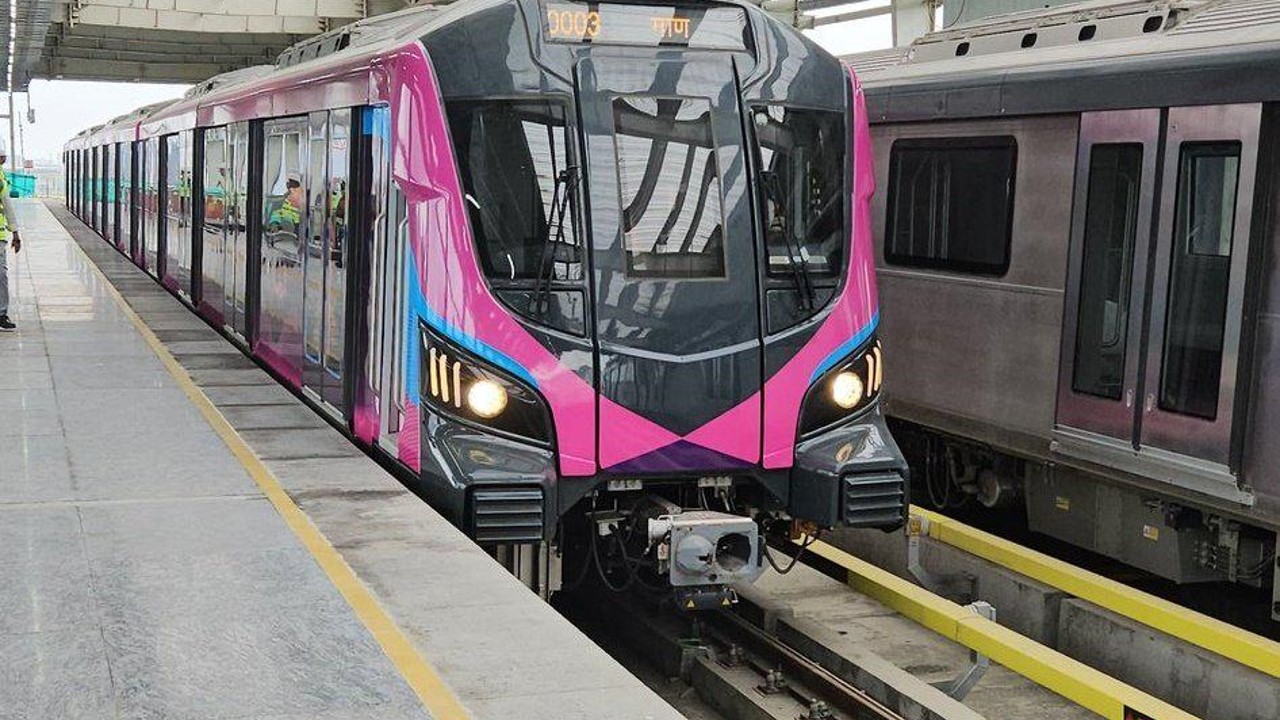
Pune’s metro network is poised for accelerated growth following the central government’s allocation of ₹517 crore in the 2026 Union Budget. The funding is aimed at bolstering ongoing construction while supporting planned expansions, particularly in rapidly urbanising corridors of Pune and Pimpri-Chinchwad. Urban planners suggest that these investments could substantially improve east–west connectivity and relieve mounting traffic pressures in the city’s congested residential and commercial zones.
The bulk of the allocation is expected to advance the proposed Khadakwasla–Hadapsar–Kharadi–Wagholi corridor, which connects emerging IT hubs and suburban residential belts. By linking these areas, officials indicate that the metro could reduce dependency on private vehicles, cutting commuter travel times and contributing to lower urban emissions. A smaller portion of the funds may be directed to the ongoing underground line between Swargate and Katraj, a critical route for southern Pune residents. Industry observers note that infrastructure projects of this scale have both immediate and long-term economic impacts. Construction acceleration generates local employment, supports allied industries, and enhances property values along transit corridors. Urban mobility specialists emphasise that strategic allocation in metro expansion also shapes sustainable city development by offering alternatives to carbon-intensive transport.
Pune, which has faced rising congestion due to rapid population growth and vehicle ownership, could see measurable improvements in commute efficiency if these projects proceed as planned. Financial analysts point out that while the allocation is substantial, clarity on detailed fund utilisation remains limited. Officials suggest that the disbursement will prioritise high-traffic corridors and completion of critical civil works, signalling a phased but structured approach to city-wide metro development. The integration of underground and elevated sections, combined with feeder transport options, is expected to enhance accessibility for diverse commuter segments, including women, elderly residents, and daily wage workers, reflecting inclusive urban planning principles.
Urban development experts further highlight that metro investments extend beyond immediate mobility gains. Expanding rapid transit in Pune aligns with broader objectives of building climate-resilient, low-emission urban centres, while facilitating equitable economic growth by connecting peripheral suburbs with the city core. The effectiveness of these investments will depend on timely project execution, operational efficiency, and coordination with other public transport initiatives such as bus networks and last-mile connectivity services. With this budgetary support, Pune Metro is positioned to accelerate construction timelines, expand network reach, and improve daily commuting conditions. Residents and businesses alike could benefit from a more reliable, sustainable, and integrated urban transport ecosystem in the coming years.