


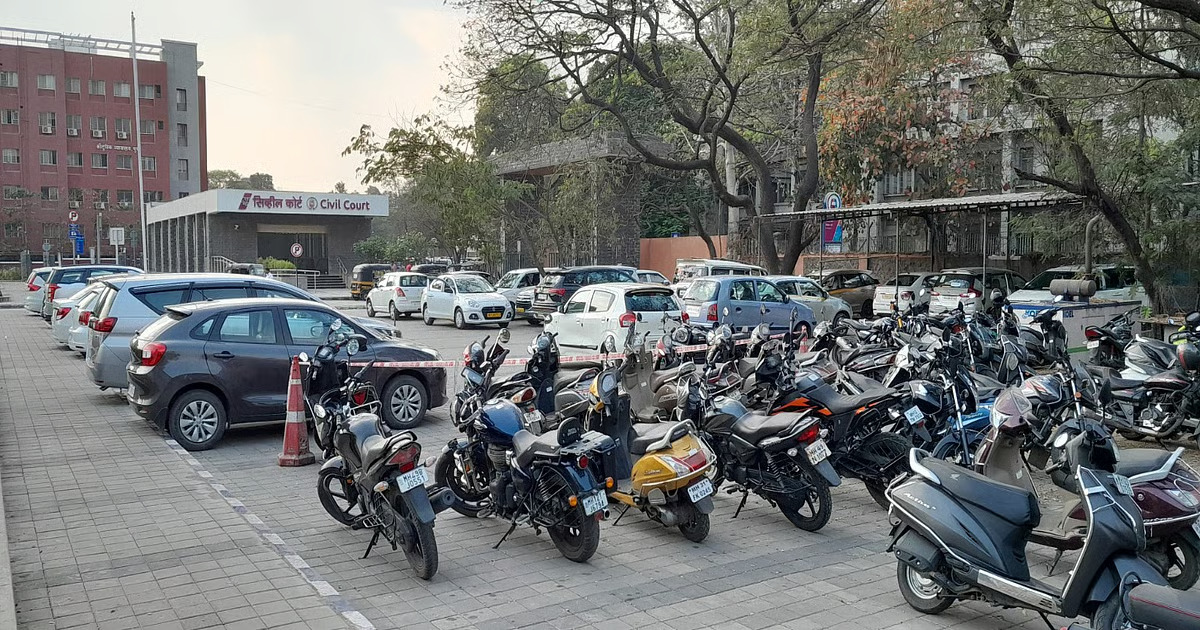
Pune commuters struggling with inadequate parking near metro stations are set to benefit after the Pune Municipal Corporation (PMC) finalised the transfer of 20 plots to Maharashtra Metro Rail Corporation Limited (Maha-Metro) for dedicated parking infrastructure. Most of these plots are located near high-demand stations including Ramwadi, Vanaz, Anandnagar, PMC, Deccan Gymkhana, Ruby Hall Clinic, Bund Garden, and Yerawada, addressing long-standing commuter challenges.
The move follows final registration by the PMC’s property management department, with officials confirming that the plots will soon be formally handed over to Maha-Metro. The decision is expected to significantly ease congestion and improve last-mile connectivity for metro users across the city’s core transit corridors. The 15.7 km Vanaz to Ramwadi corridor, consisting of 16 stations within PMC limits, has faced parking shortages at eight stations, including Vanaz, Anandnagar, Deccan Gymkhana, PMC, Ruby Hall, Bund Garden, Yerawada, and Ramwadi. While limited parking exists at Garware College station through PMC support and at Mangalwar Peth and Kalyaninagar for two-wheelers, several stations in the old city still lack adequate facilities. Additional land near Chhatrapati Sambhaji Maharaj Udyan has been earmarked for mechanised parking on a profit-sharing model with PMC, highlighting innovative approaches to infrastructure optimisation.
Maha-Metro officials, speaking on condition of anonymity, explained that the organisation traditionally does not provide dedicated parking. “Metro systems are designed to integrate with public transport networks, relying on feeder buses and shared mobility for commuter access,” they said. “However, given the current dependence on personal vehicles and limited feeder services, we are leveraging available land to provide necessary parking while encouraging sustainable travel habits over time.” The move aligns with Pune’s broader urban mobility goals, including reducing carbon emissions and promoting eco-friendly, equitable city transport solutions. By enabling commuters to leave personal vehicles at strategic locations, the initiative is expected to decrease illegal parking on footpaths, mitigate traffic congestion, and enhance safety in high-density urban areas. Experts noted that combining metro access with organised parking facilities creates a more sustainable and gender-neutral transit ecosystem.
PMC and Maha-Metro officials also emphasised the importance of integrating parking planning with last-mile connectivity improvements, including increased feeder bus frequency through Pune Mahanagar Parivahan Mahamandal Limited (PMPML). This integrated approach aims to create seamless, reliable mobility for city residents while gradually shifting commuter behaviour toward shared and public transport options. The finalisation of these 20 plots represents a pivotal step in addressing Pune’s evolving urban transport demands. With metro ridership steadily increasing, such infrastructure interventions are essential to ensure commuter convenience, optimise city traffic flow, and support Pune’s long-term sustainable transport objectives.
Also Read : Mumbai Ahmedabad Bullet Train Project Achieves Undersea Tunnel Breakthrough
