


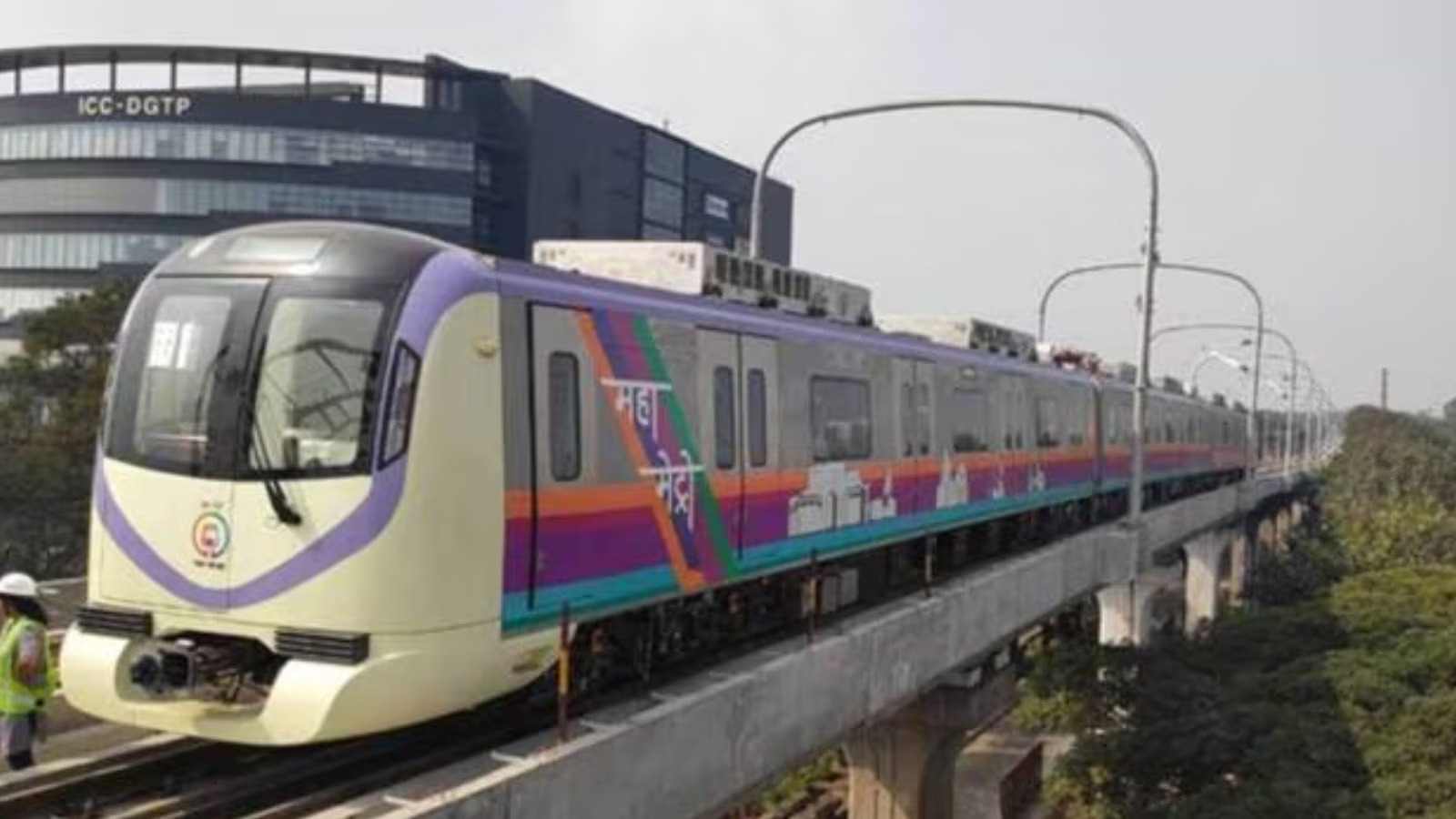
The city’s metro system has recorded its steepest increase in ridership since its inception, registering a 24% surge in average daily commuters for July 2025. With both the Aqua and Purple lines fully operational, the Pune Metro clocked 1.92 lakh daily riders last month, a significant jump from the previous 10-month average of 1.54 lakh.
Urban mobility experts say this sharp growth reflects a blend of improved infrastructure and behavioural shifts due to seasonal changes. A notable upward trend began in June 2025, when average daily ridership touched 1.74 lakh. The Aqua Line, connecting Vanaz to Ramwadi, contributed the lion’s share with over 1.08 lakh commuters daily, while the Purple Line from PCMC to Swargate saw around 83,000. Officials attributed the rise to several factors, including a 33-km operational network, enhanced multimodal integration, and the onset of the monsoon, which often discourages two-wheeler travel. A senior Maha Metro official explained that seamless first- and last-mile connectivity is becoming increasingly critical for commuter preference, especially in a city grappling with rapid urbanisation and traffic congestion.
While ridership gains are promising, Pune Metro still falls short of its projected numbers. The Detailed Project Report (DPR) had anticipated a daily ridership of six lakh—three times the current figure. To close this gap, the system is planning service enhancements. Authorities confirmed that during peak hours, train frequency will soon be increased to one every six minutes, down from the current seven. A further reduction to five minutes is expected by March 2026. Even as the ridership uptick offers encouraging signs, city planners caution against viewing the gains as permanent. With seasonal commuting patterns at play and ridership sensitive to service quality, consistent operational performance, cleanliness, affordability, and seamless multimodal links will be vital to sustaining and expanding the commuter base.
The surge in metro usage not only highlights growing public confidence but also points to the urgency of reducing road congestion and emissions in a city ranked among India’s most traffic-choked. The continued expansion and optimisation of Pune Metro could be pivotal to creating a greener, more equitable urban future, particularly as the city strives to meet its climate and mobility goals.
Also Read : Bengaluru Yellow Line Receives Safety Nod from Metro Regulator CMRS
