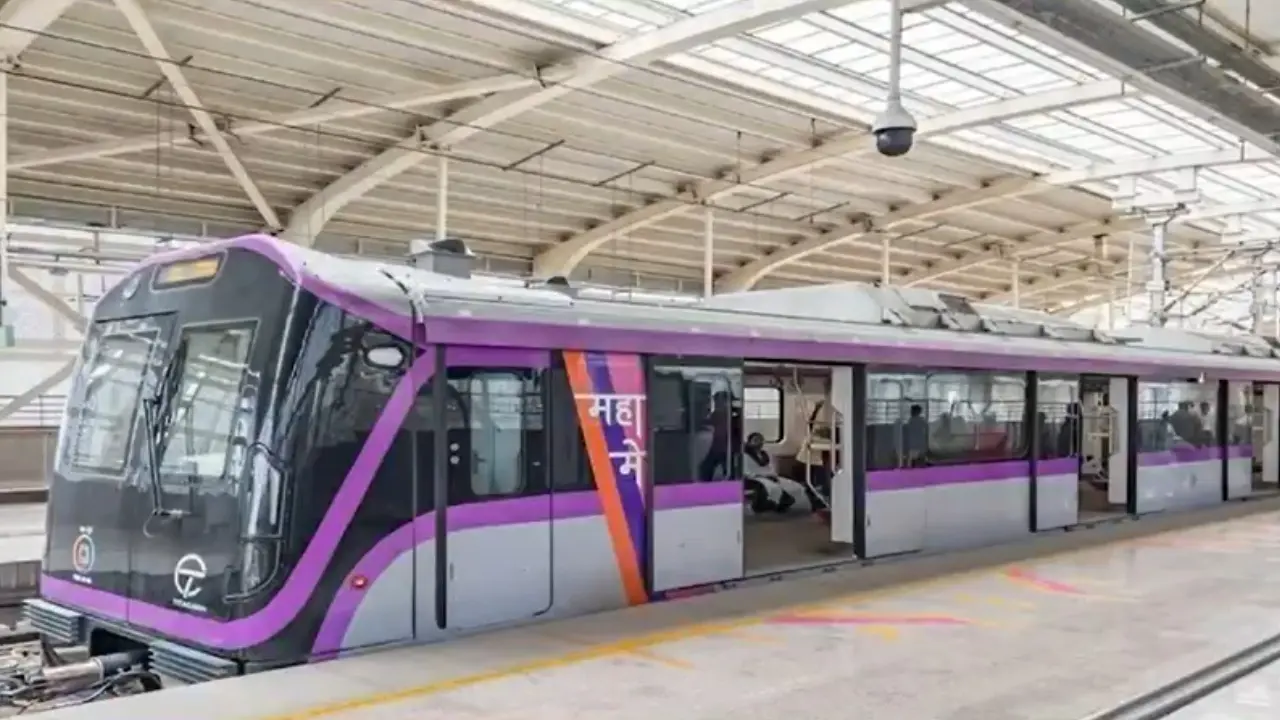
Pune’s metro rail expansion has entered a critical planning stage with the appointment of a consultant to assess the social and economic impact of upcoming corridors, signalling a shift towards more structured rehabilitation planning in large urban infrastructure projects. The Pune Metro Phase 2 R and R studies are expected to shape how displacement and land-use transitions are managed as the network extends into new growth areas.
The contract, awarded by the state-run metro authority, covers two proposed corridors linking eastern and western parts of the city. These routes—spanning dense residential zones as well as emerging peri-urban areas—are likely to intersect with informal settlements, small businesses, and mixed-use neighbourhoods, making the Pune Metro Phase 2 R and R studies a key component of project execution. Urban development experts say such studies are increasingly central to infrastructure planning in Indian cities, where rapid transit expansion often overlaps with complex social geographies. The exercise will involve mapping affected households and commercial units, evaluating their socio-economic conditions, and proposing measures to mitigate disruption. This includes compensation frameworks, relocation strategies, and safeguards aligned with national and international standards.
The timing of the Pune Metro Phase 2 R and R studies is particularly significant as cities are under pressure to balance large-scale infrastructure growth with inclusive development. In Pune, where metro corridors are expected to unlock new real estate potential and improve connectivity across employment hubs, the way displacement is handled could influence both project timelines and public acceptance. Transport planners highlight that delays in land acquisition and resettlement have historically slowed infrastructure delivery across India. By initiating these assessments early, authorities aim to reduce conflict, streamline approvals, and ensure that affected communities are integrated into the planning process rather than addressed retrospectively.
From a sustainability perspective, the expansion of the metro network is expected to reduce reliance on private vehicles, contributing to lower emissions and improved urban air quality. However, experts caution that the environmental benefits of mass transit must not come at the cost of social inequity. Well-designed rehabilitation policies are essential to ensure that vulnerable populations are not disproportionately impacted by infrastructure-led development. The consultancy is also expected to address regulatory compliance, including adherence to social safeguard norms that govern public infrastructure projects. This includes documentation, stakeholder consultations, and the preparation of actionable plans that can be implemented alongside construction schedules. As Pune continues to position itself as a major economic and residential hub, the integration of social considerations into transport planning will be closely watched. The findings of the Pune Metro Phase 2 R and R studies are likely to influence not just project execution, but also broader approaches to equitable urban expansion in the city.
Pune Metro Phase Two Studies Focus On Resettlement