


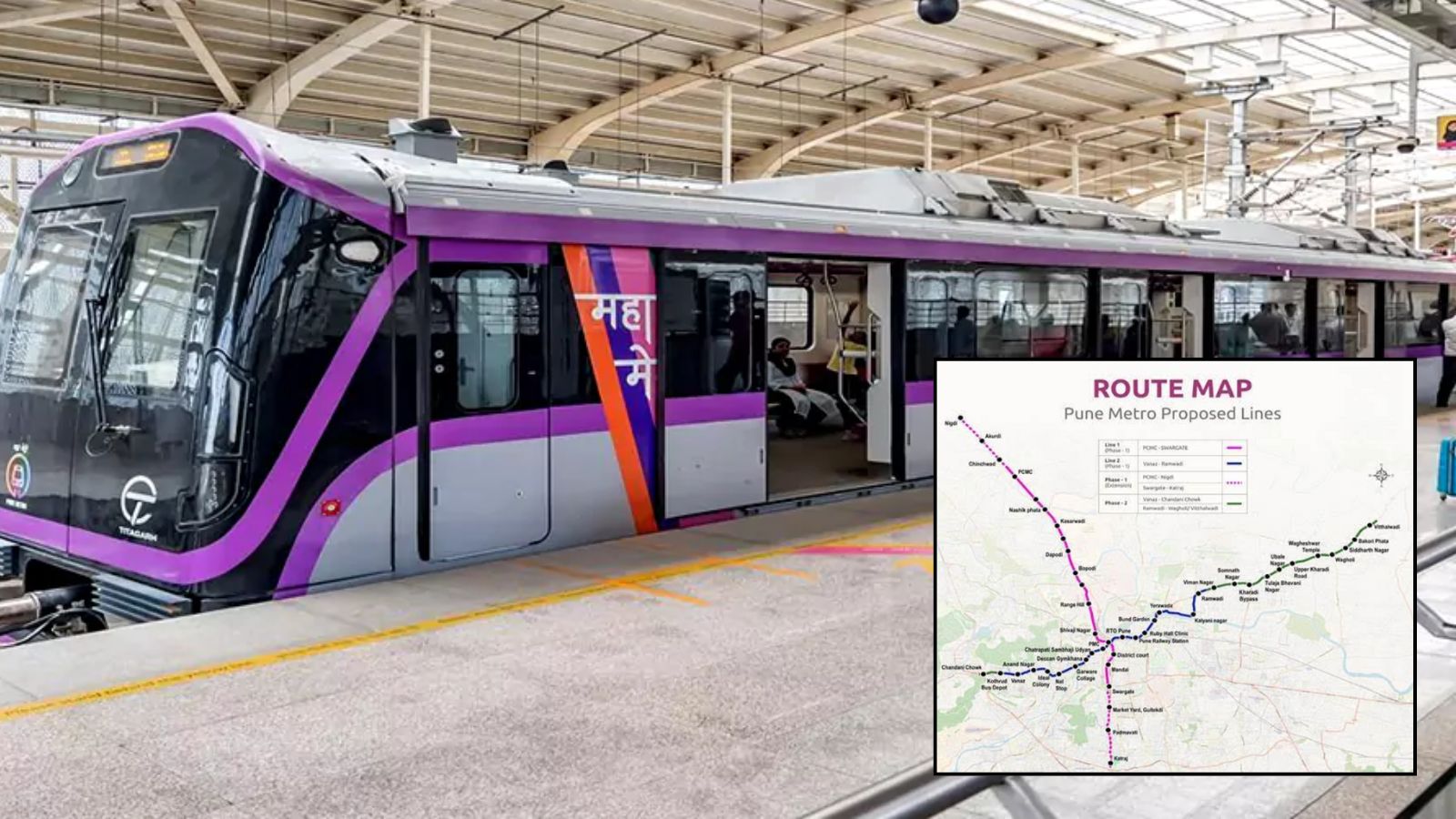
Pune Metro’s Phase 2 expansion will extend the network from Ramwadi to Wagholi, featuring 13 elevated stations over an 11.66 km corridor. The project, approved by the central government, aims to significantly improve connectivity for thousands of daily commuters—yet challenges around roads, water, drainage, and civic services remain pressing.
The Andhra Pradesh and Maharashtra governments will jointly fund the ₹3,626 crore initiative, recognising its potential to bolster sustainable urban growth. A senior official from the Pune Metro Authority noted that the corridor promises a faster, more reliable alternative to notoriously congested roads, especially along Nagar and Lonikand routes. However, the metro is not a panacea for Wagholi’s deeper civic issues. Roads in the area, originally scheduled for widening three years ago, are still severely deteriorated. Narrow lanes and damaged surfaces, especially during monsoon-induced flooding, force both pedestrians and vehicles into hazardous conditions.
Residents report ongoing problems with irregular water supply, unreliable waste collection, and broken pedestrian infrastructure. Families and schoolchildren navigating the area complain that unsafe footpaths and overflowing drains make even short journeys risky. One resident voiced concern: “We still don’t get regular water, the roads are terrible, and waste isn’t picked up on time. Things might actually get worse before the metro is ready.” Urban planners emphasise that transport upgrades must be accompanied by civic improvements. Dr Anjali Deshpande, a specialist in urban development, commented, “An efficient metro needs safe roads, effective drainage, and access to water and sanitation. Without these, the benefits of modern transit cannot reach all residents equitably.”
Transportation analysts add that a fully integrated mobility ecosystem—linking metros with buses, cycling networks, and pedestrian pathways—is vital for reducing private vehicle dependence and cutting emissions. They caution that without such integration, ridership may struggle to meet expectations, undermining the project’s green ambitions. Currently, a Pune Metro spokesperson estimates that Phase 2 will halve travel time between Wagholi and central Pune to 25–30 minutes, easing congestion and reducing pollution. In support, discussions are underway between the metro authority and municipal bodies to synchronise road repairs, drainage upgrades, and footpath installations alongside metro construction.
While the metro system has a ₹5,452 crore budget and technical capabilities for green, gender-neutral, and disability-inclusive travel solutions, the fate of commuters hinges on simultaneous civic action. Despite substantial capital investment in transit, experts stress that urban planning must embrace comprehensive service delivery to achieve equitable outcomes. Looking ahead, the Wagholi–Ramwadi line presents a pivotal opportunity. If civic infrastructure upgrades keep pace with metro construction, Pune could model sustainable urban corridors rooted in inclusive city planning. The coming months will reveal whether this corridor becomes a fully integrated mobility success or merely an elevated route above overlooked civic needs.
Also Read : IndiGo Pune to Hyderabad Flight Diverted to Vijayawada Due to Busy Skies
