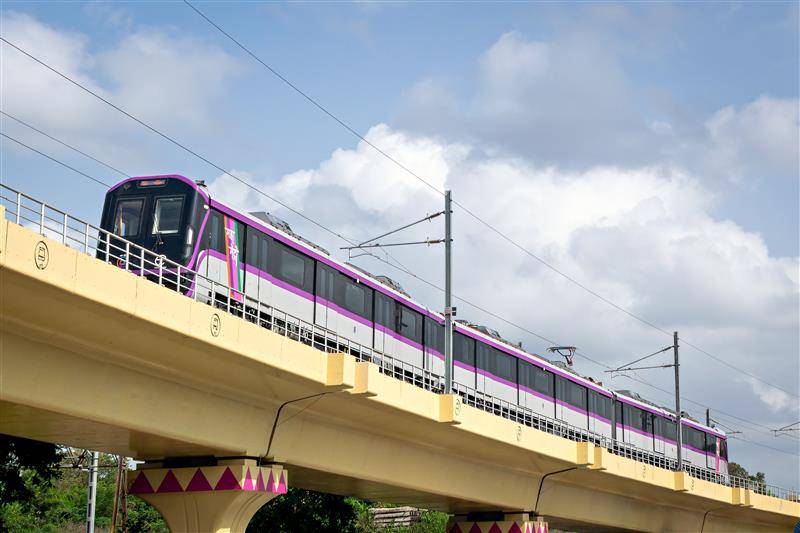
Pune is moving closer to a substantial urban transit overhaul, with Maharashtra Metro Rail Corporation Limited (MahaMetro) initiating consultancy tenders for 14 elevated stations along two new corridors in the city’s eastern and south-eastern suburbs. The move signals an acceleration in Phase 2 of the Pune Metro, reflecting the city’s ongoing efforts to manage rising commuter demand and dense urban growth.
The tenders, with bids due to be opened on 5 March 2026, cover stations along Line 4B, stretching from Hadapsar to Loni Kalbhor, and Line 4C, linking Hadapsar to the Saswad Road railway station. Both corridors are expected to serve densely populated and rapidly developing residential and commercial hubs, potentially reducing road congestion and offering a more reliable, climate-friendly alternative to private vehicles. Urban planners note that these corridors could play a pivotal role in integrating peripheral suburbs with the city core, providing equitable access to public transit and catalysing sustainable urban development. The elevated design, while costlier than at-grade options, minimises land acquisition challenges in congested areas and limits disruption to existing traffic flows, reflecting lessons learned from earlier phases of the network.
Economically, the expansion may stimulate real estate and commercial activity in previously underserved localities. Analysts suggest that improved connectivity typically correlates with higher property demand, while also supporting small businesses by widening the commuter catchment area. This phase of Pune Metro is therefore not only an infrastructure initiative but also a potential lever for inclusive growth, allowing peripheral communities to benefit from the city’s broader economic ecosystem. Environmental considerations are equally significant. The corridors’ design aligns with low-carbon transport strategies, aiming to reduce vehicular emissions by attracting daily commuters to the metro system. Incorporating energy-efficient construction and operational practices could further reinforce Pune’s commitment to climate-resilient urban planning.
Officials emphasise that Phase 2 is being approached with lessons from existing operations, including improved station accessibility, gender-neutral facilities, and first- and last-mile connectivity measures such as pedestrian pathways and feeder services. By integrating these elements, the metro expansion aims to offer not just faster travel but safer, more inclusive transit experiences. As Pune Metro advances into its next phase, urban stakeholders, including city planners, developers, and citizens will be closely watching how the project balances rapid urbanisation, environmental sustainability, and equitable economic opportunity. The successful commissioning of these corridors could set a benchmark for transit-led growth in other emerging Indian cities.