


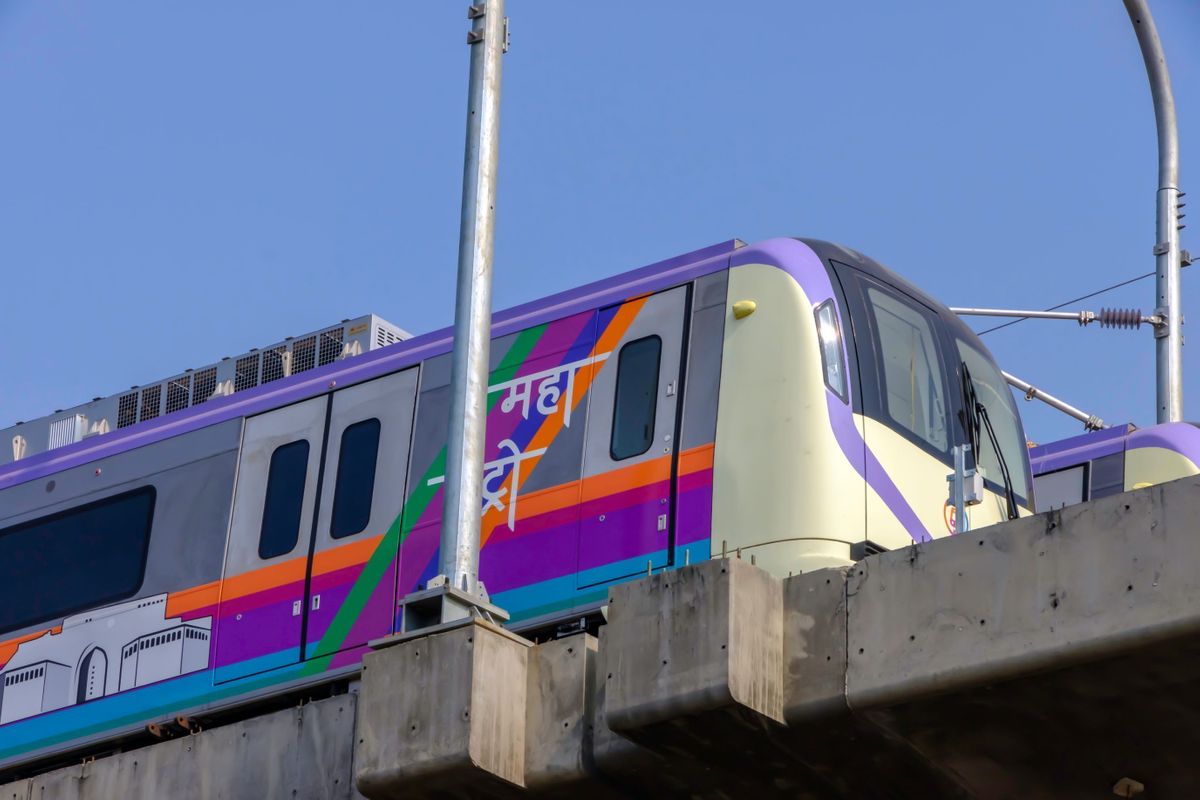
The Maharashtra Metro Rail Corporation Limited (Maha-Metro) has embarked on an ambitious strategic planning initiative to significantly expand Pune’s metro network.
These forthcoming corridors are poised to revolutionise urban mobility by directly linking Lohegaon Airport and the burgeoning southern suburbs of Kondhwa, NIBM, Yewalewadi, and Undri to the city centre. This forward-thinking development aims to not only alleviate crippling traffic congestion and enhance last-mile connectivity for air travellers and daily commuters but also critically contribute to Pune’s vision of becoming a zero-net carbon, eco-friendly, and sustainable urban metropolis. For a rapidly expanding city like Pune, efficient and sustainable public transport infrastructure is paramount to its future growth and liveability. The current traffic woes and increasing carbon footprint necessitate decisive action. Maha-Metro’s proactive approach, evidenced by its recent invitation for consultants to prepare an Alternative Analysis Report (AAR) and a Detailed Project Report (DPR) by May 23rd, 2025, underscores this commitment. These crucial reports will meticulously evaluate various transit options, including traditional metro rail systems and Bus Rapid Transit Systems (BRTS), factoring in cost-effectiveness, passenger demand, environmental impact, and seamless integration with existing transport networks.
According to Mr. Atul Gadgil, Director (Works) at Maha-Metro, the proposed expansion encompasses two pivotal new corridors. Firstly, a concise 3-kilometre metro line is planned to offer a direct link from the existing Ramwadi station to Lohegaon Airport. This direct connectivity is a long-standing demand from residents and political leaders, including former MLAs Sunil Tingre and Jagdish Mulik from Wadgaon Sheri, and more recently, Union Minister of State for Civil Aviation, Murlidhar Mohol, who has actively pushed for this airport integration. Such a direct link is expected to significantly reduce travel times for air passengers and airport staff, making air travel more accessible and less stressful. Secondly, a more extensive 20-kilometre route is envisioned to stretch from the Civil Court interchange, a central hub of the current metro network, all the way to Yewalewadi, with a crucial spur line extending to NIBM. This corridor is designed to serve Pune’s fast-growing southern suburbs, which have witnessed exponential residential and commercial development in recent years but lack adequate public transport options. Mr. Gadgil further indicated that an extension of Pune Metro’s Line 3, currently under construction by the Tata-Siemens consortium, might also encompass Kondhwa, Yewalewadi, and Undri. The decision regarding whether Maha-Metro will undertake these projects directly or integrate them with the ongoing Line 3 development will be finalised upon the completion of the DPRs.
The overarching objectives of these metro extensions are multifaceted and align perfectly with global sustainability mandates. By significantly cutting travel times for commuters and air travellers, the project aims to enhance economic productivity and individual well-being. More importantly, by promoting a substantial shift towards public transport, these new metro lines will play a critical role in reducing the city’s reliance on private vehicles, thereby curbing carbon emissions and improving urban air quality. This emphasis on green transport infrastructure is central to creating healthier and more breathable urban spaces for all citizens. The rigorous process of preparing the AAR will involve a comprehensive study of technical feasibility, financial viability, and social benefits. Factors such as passenger footfall projections, land acquisition requirements, and environmental impact assessments will be meticulously analysed to ensure the chosen transit option offers the highest return on investment for the public. The subsequent DPR will then provide a detailed roadmap for the construction and implementation phases, outlining costs, timelines, and technical specifications.
This strategic expansion of the Pune Metro network signifies a profound commitment by urban planners and policymakers to address Pune’s escalating traffic challenges and to nurture its evolution into a truly sustainable and well-connected city. By prioritising mass rapid transit systems that reduce carbon footprints and enhance accessibility, Pune is setting a precedent for other Indian cities striving for equitable and eco-friendly urban development. The ultimate success of these ambitious plans will hinge on meticulous execution, continued inter-agency collaboration, and sustained public support, paving the way for a more efficient and environmentally responsible Pune.
Also Read: Delhi Metro Urges Commuters to Stop Making Reels on Trains
