


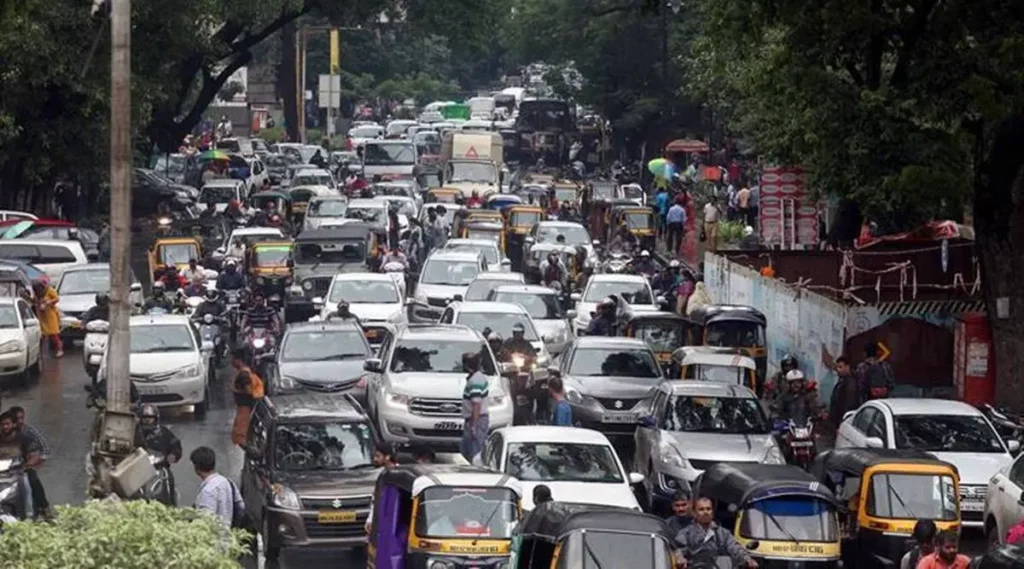
The Pune Metro Line 3 project, which promises to connect the bustling Hinjawadi to the heart of the city at Shivajinagar, is rapidly turning into a tale of delays, inefficiency, and mounting public discontent. The project, a joint venture between Tata Realty and Siemens, has fallen behind schedule on critical milestones, exacerbating traffic congestion and inconvenience for commuters. Originally expected to be completed by December 2024, the project has already faced several hurdles, including the incomplete double-deck bridge at E Square, which continues to disrupt daily traffic flow.
Sources close to the project have confirmed that despite the revised deadline of March 2025, the completion of this ambitious 23.3 km elevated metro line seems increasingly uncertain. The delay in constructing key infrastructure such as the double-deck bridge has had a direct impact on the Siemens-operated signal systems, hindering the overall progress. With no clarity on the new timeline, questions are being raised about the capacity and readiness of the TRIL-Siemens consortium to meet the agreed-upon targets, especially given the significant penalties they may face for further non-compliance.
In addition to the logistical challenges, the project’s lack of transparency has further alienated the public. The official Pune Metro Line 3 website, which was last updated in August 2024, offers no real-time updates or concrete information about the project’s status. Pune citizens, particularly those commuting through the affected areas, have expressed their frustration over the lack of communication from both the government and the contractors, with many questioning the commitment of the private consortium. The slow pace of progress has even prompted Pune’s Police Commissioner, Amitesh Kumar, to visit the construction sites and urge responsible authorities to expedite the work, highlighting the severe impact on traffic and daily life.
The Pune Metro Line 3 project, once hailed as a game-changer for urban mobility in Pune, now faces critical challenges. While the metro is expected to significantly ease congestion, reducing the commute between Hinjawadi and Shivajinagar to under 40 minutes, the continuous delays cast doubt on its timely delivery. Sustainability concerns also arise as prolonged construction disrupts urban life and hampers the city’s ability to mitigate growing traffic woes. As the project faces increasing scrutiny, it serves as a reminder of the complexities of large-scale urban infrastructure initiatives and the pressing need for greater accountability and efficiency in their execution.
