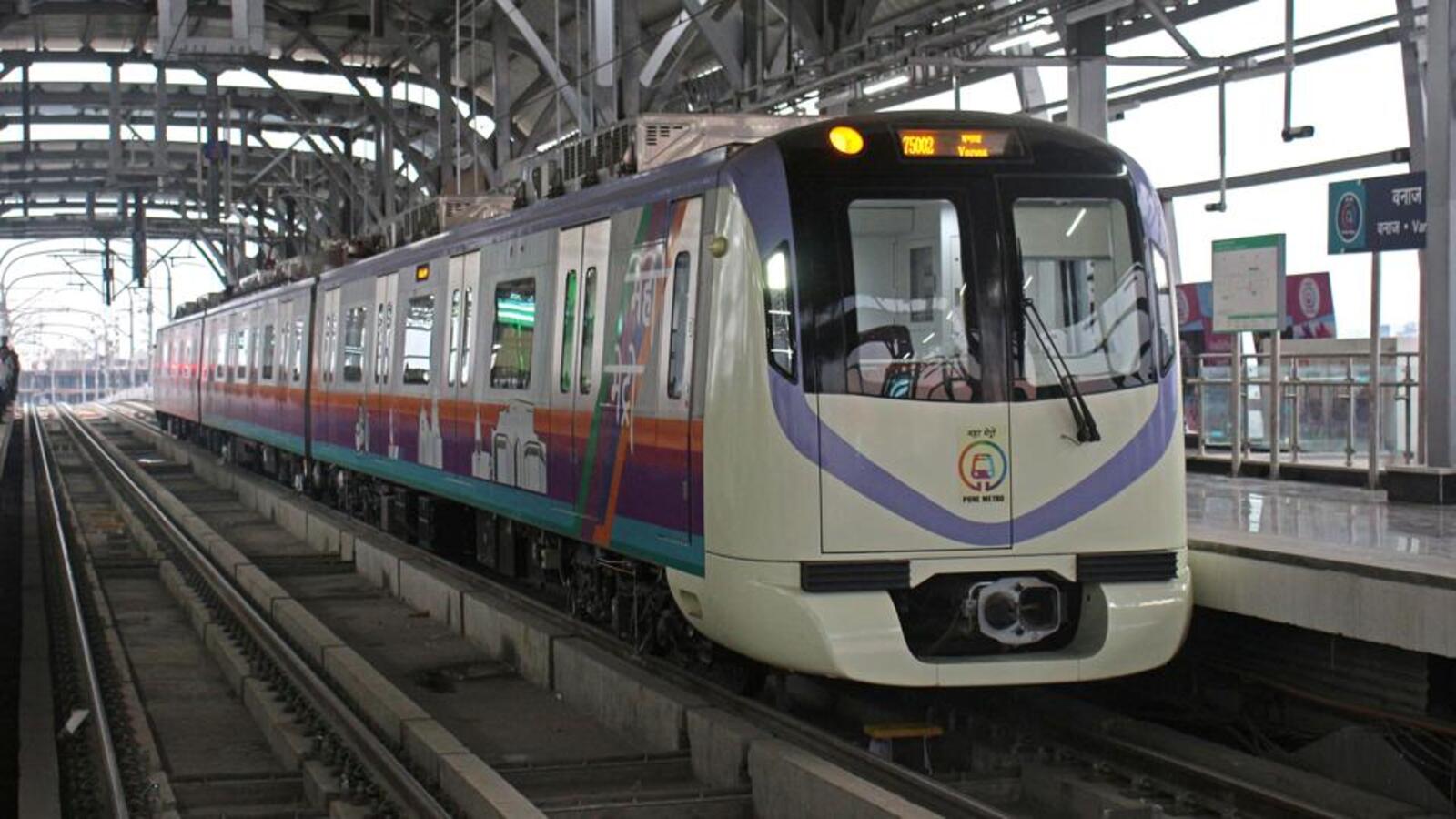
Commuters using the Pune Metro are reporting persistent difficulties in securing fair and reliable last-mile transport, prompting renewed negotiations between the metro authority and autorickshaw unions to streamline services at key stations. Passengers travelling from stations such as Shivajinagar and Ramwadi have flagged instances of drivers declining trips based on official fare charts or seeking additional payments. The issue, they say, undermines the viability of the Metro as a daily commuting option and pushes many residents back towards private vehicles.
The friction centres around the implementation of the Pune Metro share auto initiative, introduced to standardise short-distance fares and improve connectivity between stations and nearby residential or commercial areas. While fare charts have been displayed at several stations, compliance has been inconsistent, according to regular users. Metro officials confirmed that discussions with autorickshaw unions are ongoing to ensure adherence to agreed pricing structures. Authorities are also engaging with mobility aggregators to explore fixed-rate feeder services from Metro stations. A senior official indicated that operational changes may be introduced in the coming weeks to address commuter grievances.
Last-mile integration is widely regarded as critical to the long-term success of mass transit systems. Urban mobility planners note that without seamless feeder connectivity, even high-capacity rail corridors struggle to achieve ridership targets. In Pune’s case, gaps in autorickshaw availability and fare transparency are seen as weakening the shift towards low-carbon public transport. Autorickshaw drivers, however, point to structural challenges. Representatives say there is a shortage of designated parking and waiting areas near station entry and exit gates, creating operational uncertainty. Enforcement action against informal stopping near Metro premises has further complicated access. Drivers argue that without formalised stands and basic amenities, consistent service delivery remains difficult.
The Regional Transport Office has initiated a joint review with autorickshaw associations to assess station-level infrastructure needs. Officials are conducting surveys to identify suitable spaces for auto stands and improve regulation of shared services. Transport economists suggest that resolving these bottlenecks carries implications beyond commuter convenience. Reliable feeder systems can reduce traffic congestion, lower fuel consumption and improve air quality by discouraging short private vehicle trips. Conversely, fragmented last-mile services risk reinforcing car dependence, particularly in expanding suburban corridors.
Earlier pilot measures, including e-bikes and shared cycles at select stations, had been introduced during the Metro’s initial phase but have not seen substantial expansion. Experts argue that a diversified feeder ecosystem combining shared autos, buses and non-motorised options is essential for equitable urban mobility.
As Pune positions itself as a rapidly growing economic and educational hub, strengthening the Pune Metro share auto framework will be central to ensuring that public transport investments translate into inclusive, climate-resilient mobility outcomes.
Pune Metro Last Mile Dispute Escalates