Pune Metro Issues Ganeshotsav Advisory To Manage Passenger Rush Safely
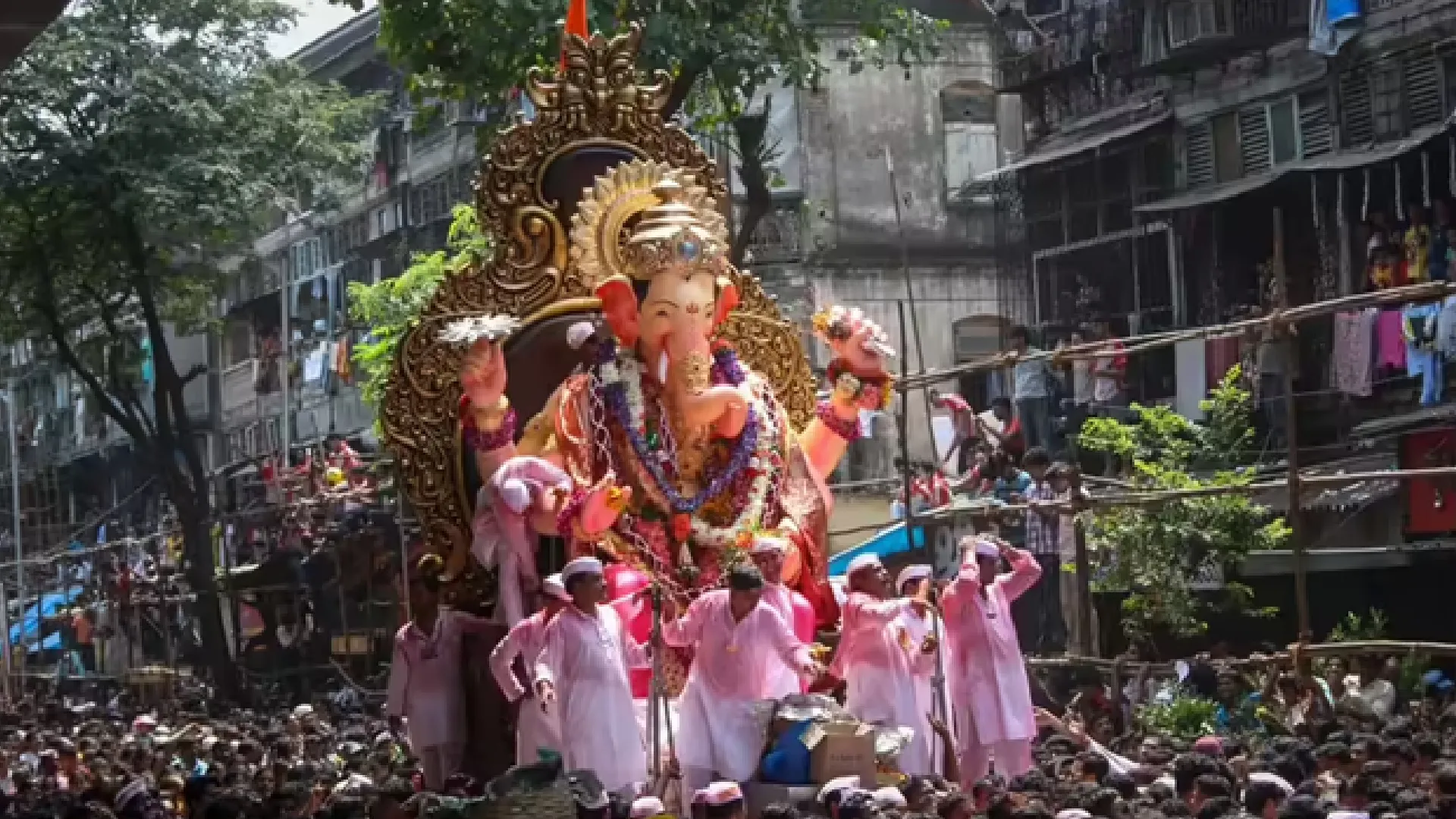
Pune is bracing for an unprecedented rise in festive mobility as Ganeshotsav approaches, with the city’s Metro network rolling out a strategic advisory to handle a surge in passenger traffic. Anticipating that ridership could more than double from the daily average of 2.15 lakh to over 5 lakh during the festival, Metro officials are urging commuters to adopt sustainable travel habits and use alternate routes to ease congestion.
The advisory emphasises a carefully designed dispersal strategy for devotees heading to popular Ganesh mandals in the city centre. Passengers arriving from Pimpri Chinchwad on Line 1 have been advised to alight at Kasba Peth rather than at the heavily crowded Mandai station, and walk to nearby mandals to balance footfall. Similarly, travellers using the Vanaz–Ramwadi corridor are encouraged to disembark at stations like Pune Municipal Corporation, Chhatrapati Sambhaji Udyan or Deccan Gymkhana to avoid bottlenecks.Authorities expect Mandai station, located at the heart of the inner city, to be the most vulnerable point for overcrowding. Officials stressed that restricting entry at this node will not only protect passenger safety but also ensure efficient festival management. To reduce queues and emissions linked to paper ticketing, passengers have been urged to shift to digital solutions including WhatsApp tickets and the One Pune Card, reinforcing the city’s push for eco-friendly and contactless transit systems.
In a move aligning with equity and inclusivity, Metro authorities have also advised that priority use of lifts should be reserved for senior citizens, women and differently-abled travellers, while others are encouraged to opt for escalators and stairs. Experts noted that this form of equitable mobility design ensures accessibility without overburdening critical infrastructure during peak demand.
Urban mobility analysts argue that the advisory is more than a festival-time intervention; it reflects the city’s evolving struggle to balance tradition with modern urban transport planning. Pune has consistently faced congestion pressures during Ganeshotsav, with large-scale gatherings spilling into arterial roads. By embedding digital ticketing, controlled dispersal and equitable use of facilities, the Metro’s approach attempts to mitigate the carbon footprint of mass travel while ensuring that the cultural ethos of the festival is unhindered.With passenger demand projected to peak in the coming week, the success of the advisory will largely depend on citizen cooperation. Transport experts highlight that coordinated discipline such as queuing, dispersal on foot and reduced reliance on central nodes will be crucial to preventing gridlocks and ensuring safer festival experiences.While Pune’s Ganeshotsav continues to attract millions with its grandeur, the Metro’s proactive intervention could serve as a template for other Indian cities balancing large cultural congregations with the imperatives of sustainable, carbon-neutral urban mobility.