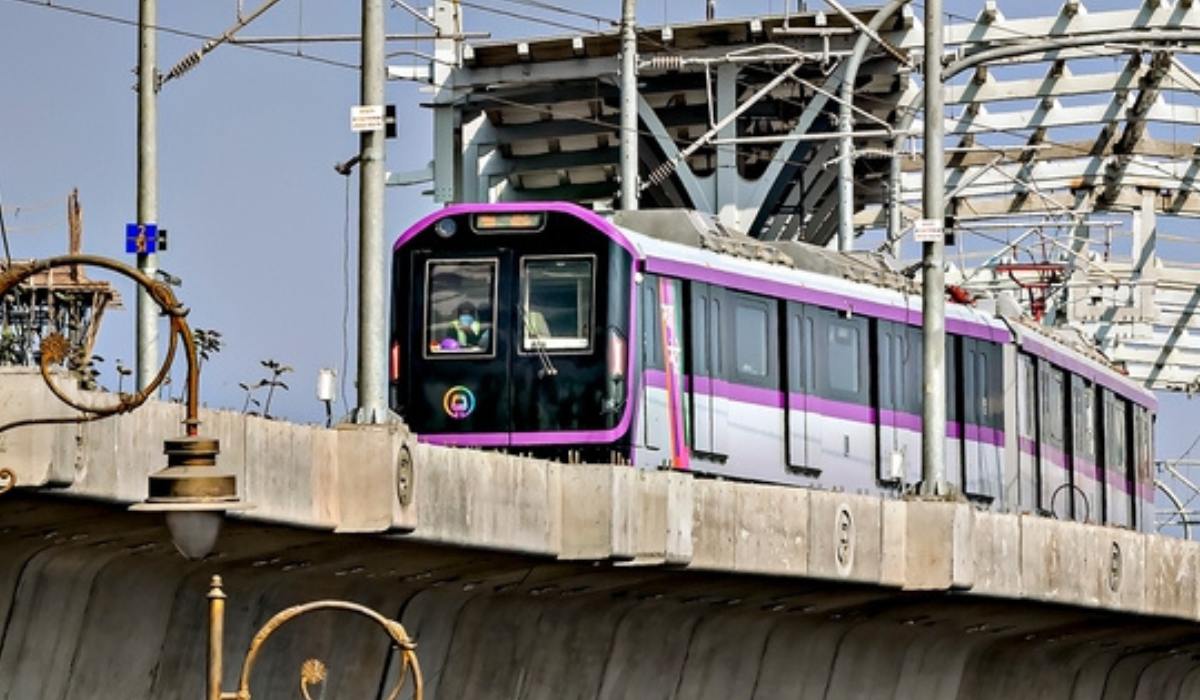
Urban rail commuters in Pune will begin seeing a new seating arrangement across the city’s metro network as authorities introduce dedicated spaces for women and senior citizens in every train. The policy, rolled out on March 8, aims to strengthen inclusive public transport and improve everyday commuting conditions for groups that often face mobility challenges in crowded city transit systems.
Under the new framework, each three-coach metro train will allocate a total of 54 reserved seats, with the majority earmarked for women and a smaller portion designated for elderly passengers. The seating distribution is spread across all coaches to ensure access from different boarding points, reflecting an effort to integrate inclusivity into the operational design of Pune Metro’s services rather than isolating designated groups in a single compartment.Transit authorities say the Pune Metro reserved seats arrangement has been introduced to address concerns about passenger comfort, safety and accessibility as ridership continues to grow across the system’s operational corridors. With rapid urbanisation pushing more commuters toward rail-based mobility, city transport agencies are increasingly examining ways to make public transit more equitable for different age groups and genders.
Pune’s metro trains currently operate with three-coach rakes designed to carry nearly a thousand passengers during peak hours, with longitudinal seating that prioritises standing capacity. As the network expands and more stations come online, authorities expect higher passenger volumes, making passenger management and seating allocation an important aspect of daily operations.The Pune Metro reserved seats initiative has been structured to ensure that accessible seating is available in each coach rather than concentrated at one end of the train. Transport planners note that distributing reserved seats helps passengers who board from different station entrances find appropriate seating more easily, reducing crowding and unnecessary movement within coaches.Officials have also introduced clear signage inside trains and at station platforms to guide passengers about the reserved seating layout. Information on the new arrangement is expected to be integrated into the metro’s mobile application and passenger communication systems, allowing commuters to quickly identify reserved areas before boarding.
Urban mobility experts view such policies as part of a broader shift in Indian transit planning toward gender-sensitive and age-friendly infrastructure. While large infrastructure investments often focus on expanding network coverage and capacity, smaller operational changes—such as seating allocation, surveillance systems and improved station accessibility—can significantly influence how comfortable and safe people feel using public transport.In rapidly growing cities like Pune, inclusive design has become central to sustaining public transport adoption. Reliable and accessible metro systems can reduce dependence on private vehicles, lower urban congestion and support climate-friendly mobility patterns.
As the metro network grows with future corridors under development, transport authorities are likely to continue refining passenger management strategies. For now, the reserved seating initiative represents a practical step toward ensuring that the benefits of expanding urban rail reach commuters across age groups and genders.